
Mars is not what it used to be. Once warm, watery, and blanketed by a thick atmosphere, today the Red Planet is cold, dry, and draped by a thin atmospheric veil. The main culprit is a relentless stream of particles from the Sun, known as the solar wind. Over billions of years, the solar wind has stripped away […]
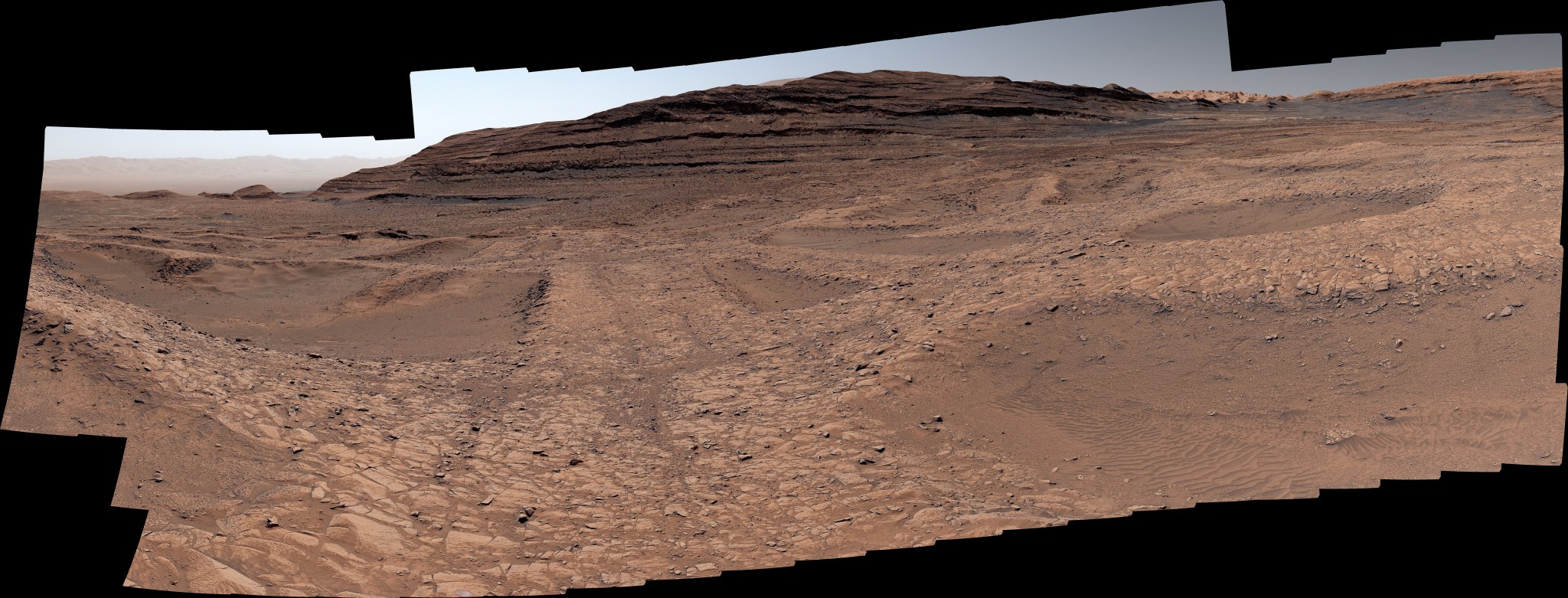
For about six months, NASA’s Curiosity Mars rover has been exploring a region full of geologic formations called boxwork, low ridges standing roughly 3 to 6 feet (1 to 2 meters) tall with sandy hollows in between. Crisscrossing the surface for miles, the formations suggest ancient groundwater flowed on this part of the Red Planet […]
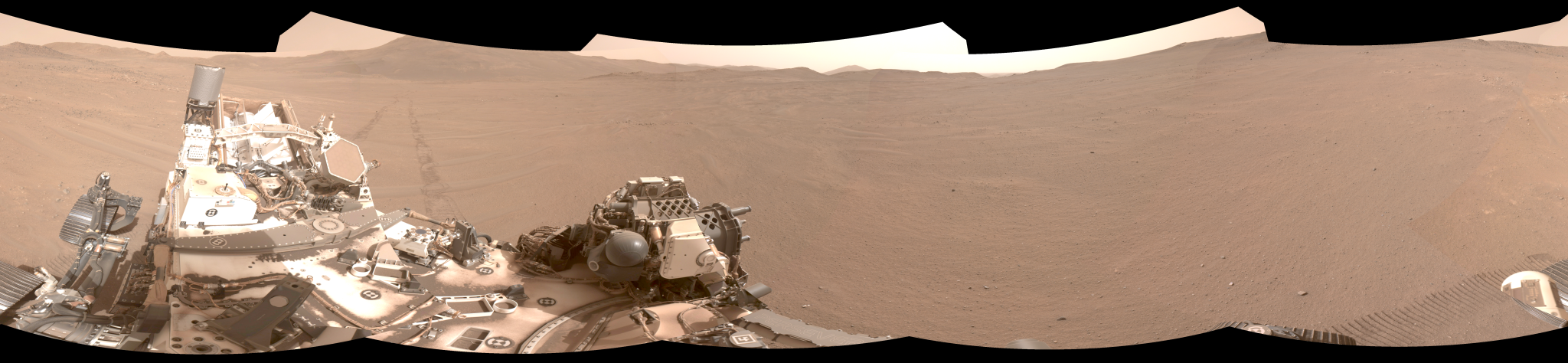
There is no GPS at the Red Planet, but a new technology called Mars Global Localization lets Perseverance determine precisely where it is — without human help. Imagine you’re all alone, driving along in a rocky, unforgiving desert with no roads, no map, no GPS, and no more than one phone call a day for someone to inform you exactly where you are. That’s what NASA’s Perseverance rover has been experiencing since landing on Mars five years ago. Though it carries time-tested tools for determining its general location, the rover has needed operators on Earth to tell it precisely where it is — until now. A new […]

In December, NASA took another small, incremental step towards autonomous surface rovers. In a demonstration, the Perseverance team used AI to generate the rover’s waypoints. Perseverance used the AI waypoints on two separate days, traveling a total o…
Perchlorate, a toxic substance found in Mars dirt, could help the bacterium Sporosarcina pasteurii strengthen bonds between particles of regolith.
…
“You need so much water that we think these could be evidence of an ancient warmer and wetter climate where there was rain falling for millions of years.”
…
Nearly 14 years ago, NASA’s Curiosity rover landed on Mars for a mission to explore the red planet and discover if it had an environment capable of supporting microbial life. Over the years, the rover has also been beaming back striking images of its s…
Even though the Red Planet’s atmosphere is thin, wind is still one of Mars’ most relentless sculptors.
Ancient shoreline features hint that water on Mars once formed a vast ocean.
MAVEN was built to last in orbit until 2030 — that’s not looking likely anymore.