Plastic waste is shifting from environmental burden to a strategic resource as advanced materials turn industrial waste into carbon nanotubes for aerospace and defense.
What we eat is powered by energy. From fertilizers to farms and waste, food’s hidden fossil footprint makes decarbonizing food systems a climate priority.
Michigan is getting ready to explore for geologic hydrogen as a new alternative energy from to decarbonize maritime shipping, manufacturing and heavy-duty transportation.
One of the consequences of climate change is that weather events are becoming more extreme. In counterintuitive ways, like heat in cold places and cold in hot places.
The report by the Ellen MacArthur Foundation warns a bottleneck could threaten higher and volatile prices, which in turn could lead to a slower uptake of such vehicles.
The new U.S. Wildland Fire Service has been established to streamline federal responses to wildfires and improve resiliency in the nation.
Looking for Valentine’s Day gift ideas? These sustainable Valentine’s Day gifts combine romance, fun, quality, and values without sacrificing style or meaning.
This week’s Current Climate newsletter also looks at aiding the power crunch with more efficient buildings and using fuel cells to help curb data center pollution
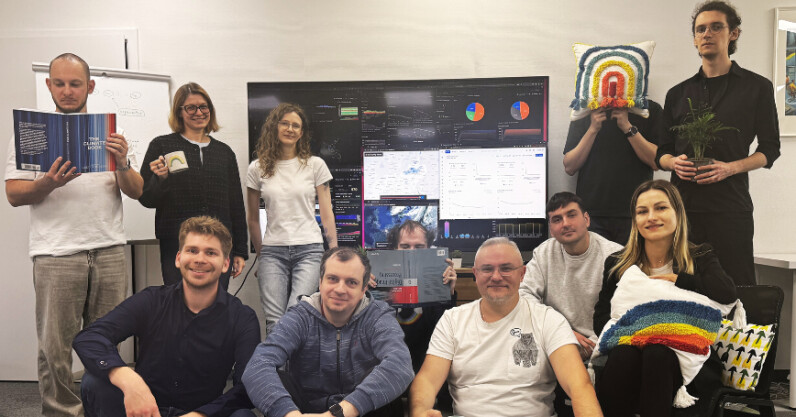
Warsaw, Poland 26 January 2026 – Rainbow Weather has raised $5.5 million in seed funding to push weather forecasting further into the short-term, high-precision territory it believes the industry still underserves. The Warsaw-based climate tech startup…
The World Economic Forum Meeting In Davos brought conversations about AI, human rights as well as thoughts about a new world order.