A deep partial lunar eclipse on August 27-28, 2026, will be visible in North America and will be the best lunar eclipse anywhere on Earth until New Year’s Eve 2028.
…
With the eclipse occurring near sunset over a complex landscape, eclipse chasers must do their research before the big moment on Aug. 12, 2026. Here’s what to do.
…
From urban beaches and hidden capes to lighthouses and mountain peaks, here’s where to see the total solar eclipse on Aug. 12, 2026, if you’re on Spain’s east coast or in the Balearic Islands.
…
From volcanic landscapes and a sunset eclipse to six-minute totality, here are the pros and cons of the next two total solar eclipses.
…
From desert badlands to hilltop villages, these off-the-beaten-track locations offer clear views of Spain’s rare sunset total solar eclipse.
…
From Arctic fjords and volcanic craters to medieval castles and coastal cliffs, here’s where to get a clear line of sight to the total solar eclipse on Aug. 12, 2026.
…
A remote Antarctic research team became the only people on Earth to witness a rare annular solar eclipse — and one scientist had to improvise to capture it.
…
Experience the Aug. 12, 2026 total solar eclipse from Spain and Iceland with festivals, spa sessions and skywatching events along the path of totality.
…
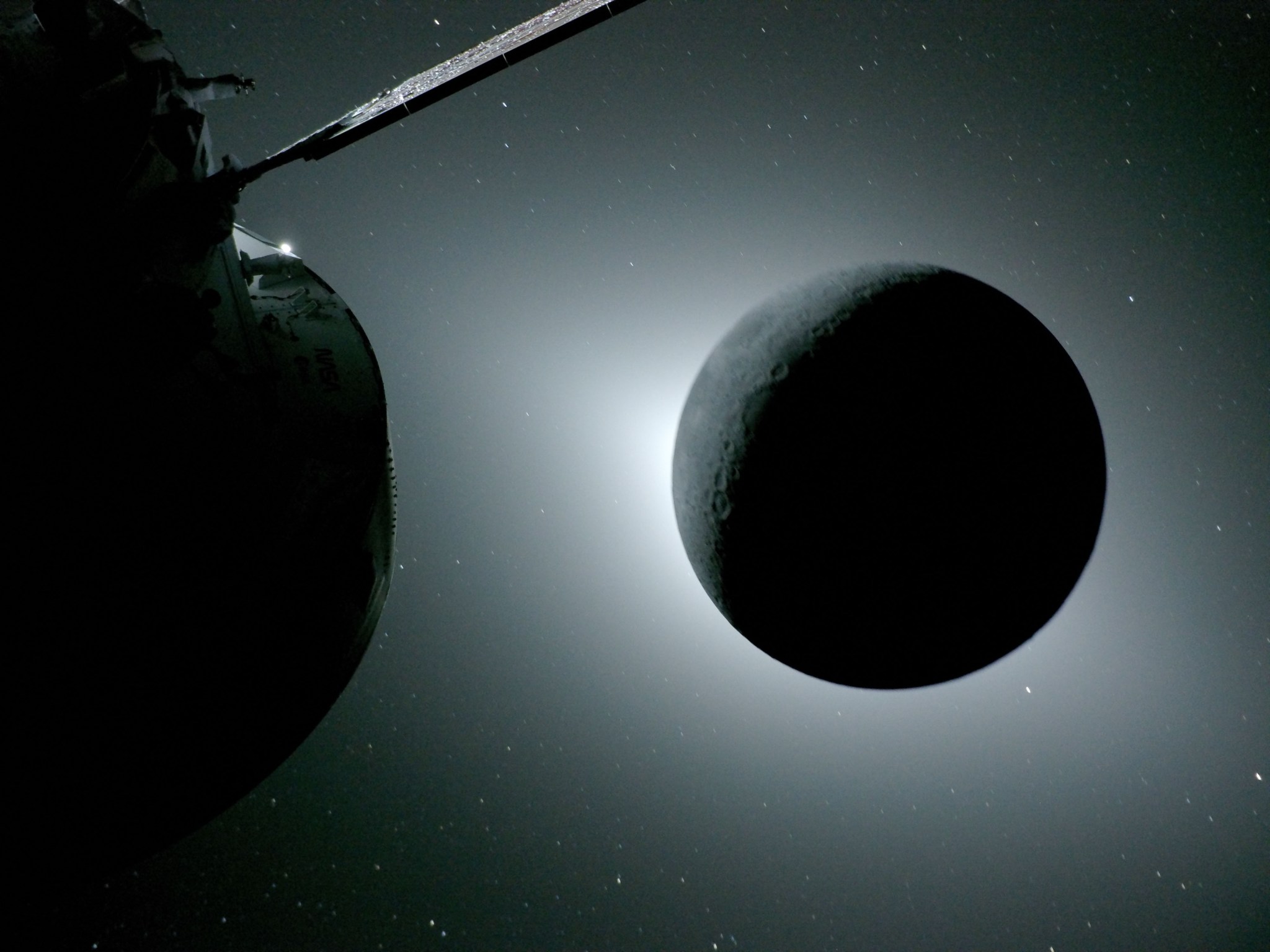
The Moon, seen here backlit by the Sun during a solar eclipse on April 6, 2026, is photographed by one of the cameras on the Orion spacecraft’s solar array wings. During lunar flyby, the Artemis II astronauts observed a solar eclipse that only they could see due to their unique position. See more photos from […]
Science is messy business. Finding the truth is easier said than done.