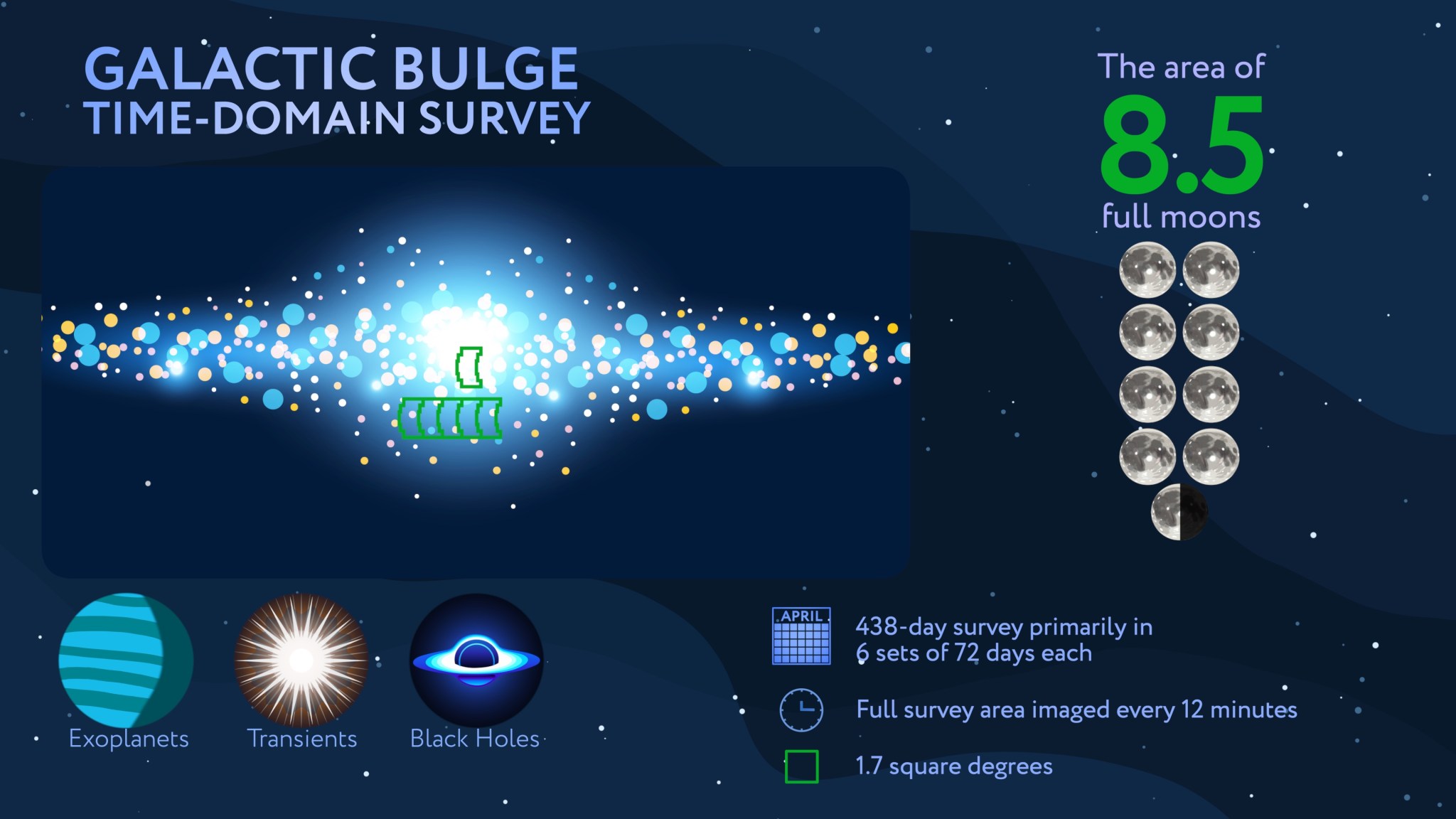
At the heart of our own galaxy, there is a dense thicket of stars with a supermassive black hole at the very center. NASA’s Nancy Grace Roman Space Telescope will provide the deepest-ever view of this zone, revealing stars, planets, and unique objects that resist definition. Based on the input of astronomers from across the […]
Jan. 23, 2026 NASA’s TESS Returns to Science Observations NASA’s TESS (Transiting Exoplanet Survey Satellite) entered safe mode Jan. 15 and returned to normal science operations Jan. 18. The operations team determined the issue arose when TESS slewed to point at a target, but its solar panels did not rotate to remain pointed at the […]
“Until now, it was unknown what type of star would remain after the merger.”
The Core And Filament Formation/Evolution In Natal Environments (CAFFEINE) survey is an “astronomer’s best friend,” according to the European Southern Observatory.
…

Astronomers have long sought evidence to explain why comets at the outskirts of our own solar system contain crystalline silicates, since crystals require intense heat to form and these “dirty snowballs” spend most of their time in the ultracold Kuiper Belt and Oort Cloud. Now, looking outside our solar system, NASA’s James Webb Space Telescope […]
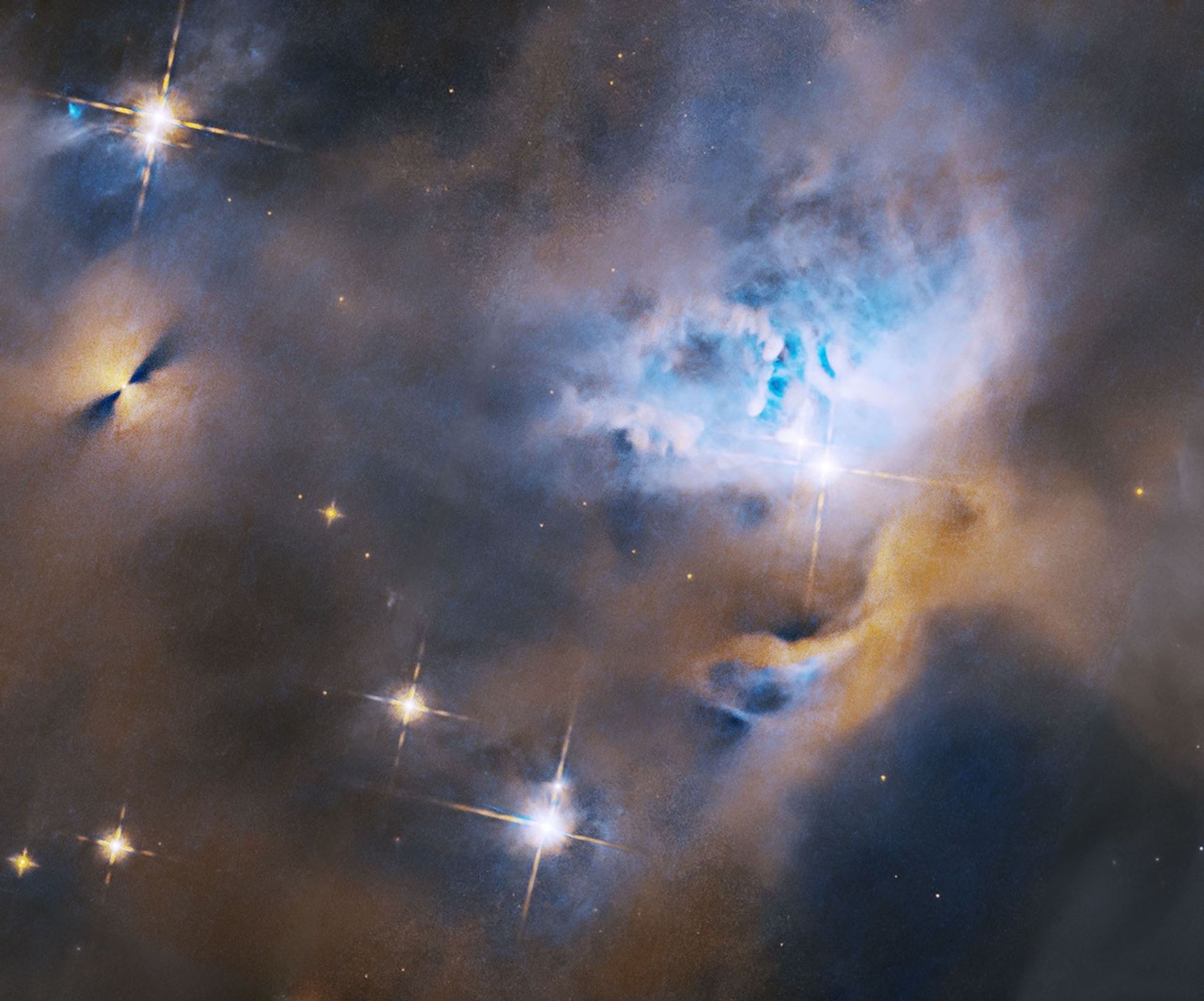
A disparate collection of young stellar objects bejewels a cosmic panorama in the star-forming region NGC 1333 in this new image from NASA’s Hubble Space Telescope. To the left, an actively forming star called a protostar casts its glow on the surrounding gas and dust, creating a reflection nebula. Two dark stripes on opposite sides of […]
“One thing popped out as clear as anything, this previously unknown ‘bar’ of ionized iron atoms, in the middle of the familiar and iconic ring.”
…
The protostar is launching the longest outburst ever seen at 32 light-years long.

Newly developing stars shrouded in thick dust get their first baby pictures in these images from NASA’s Hubble Space Telescope. Hubble took these infant star snapshots in an effort to learn how massive stars form. Protostars are shrouded in thick dust that blocks light, but Hubble can detect the near-infrared emission that shines through holes […]
Ba-by stars, doo doo doo doo doo doo.