A chemical engineer noticed that the spectra of the hazy atmosphere of mini-Neptune planets looked like the soot produced by combustion engines.
…
Astronomers have discovered the first evidence of magnetic worlds beyond the solar system thanks to their high-speed, violent winds, representing a major step forward in exoplanet research.
…
How do you weigh a planet you can’t see? Astronomers may have the answer and it involves “reading between the rings,” the bright beautiful structures exoplanets create.
…
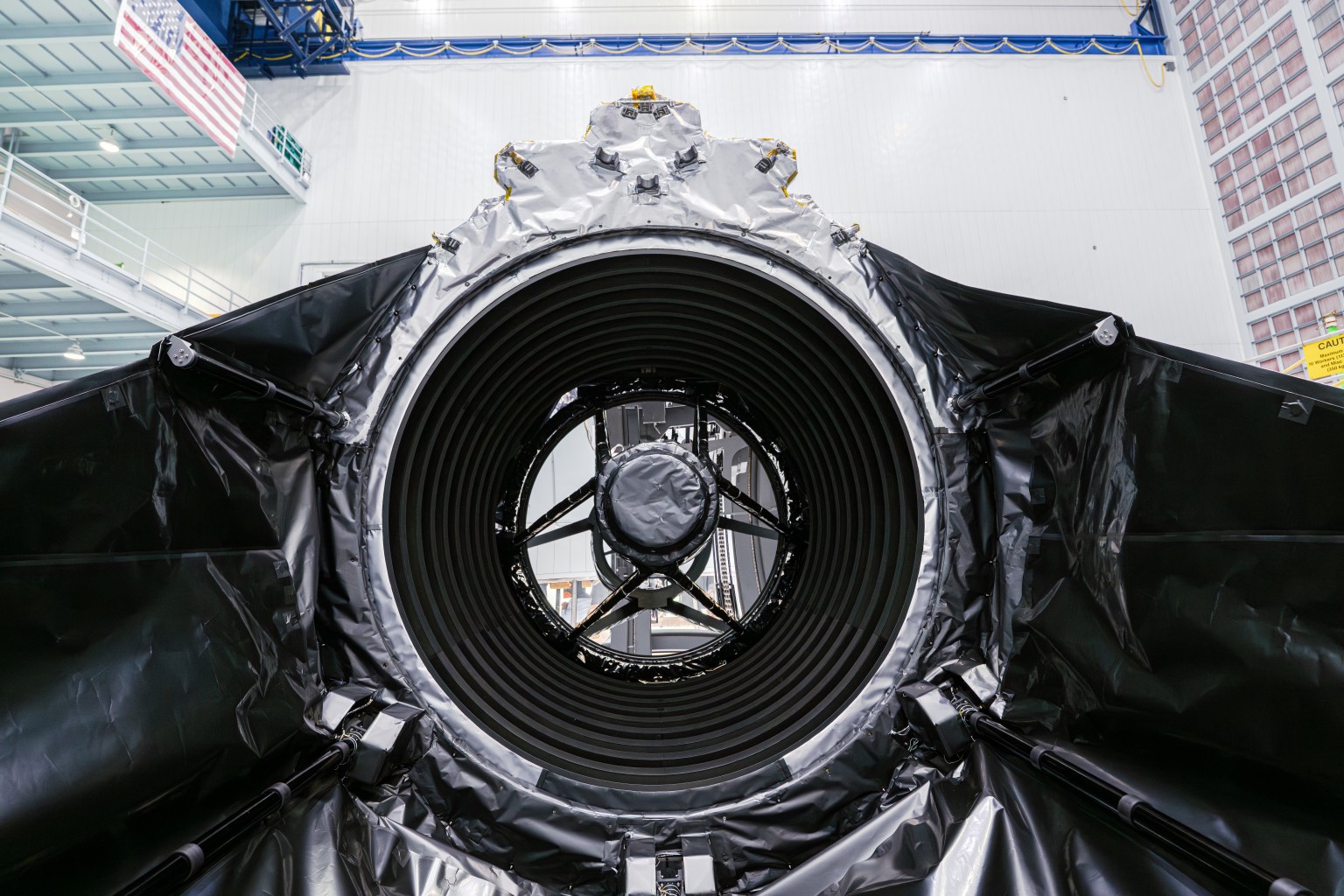
Engineers at NASA’s Goddard Space Flight Center in Greenbelt, Maryland, have completed their final inspection of a key element for the agency’s Nancy Grace Roman Space Telescope: the primary mirror. This 7.9-foot (2.4-meter) mirror will collect and focus light from cosmic objects near and far, helping Roman capture stunning panoramas of space. “The Roman engineering […]
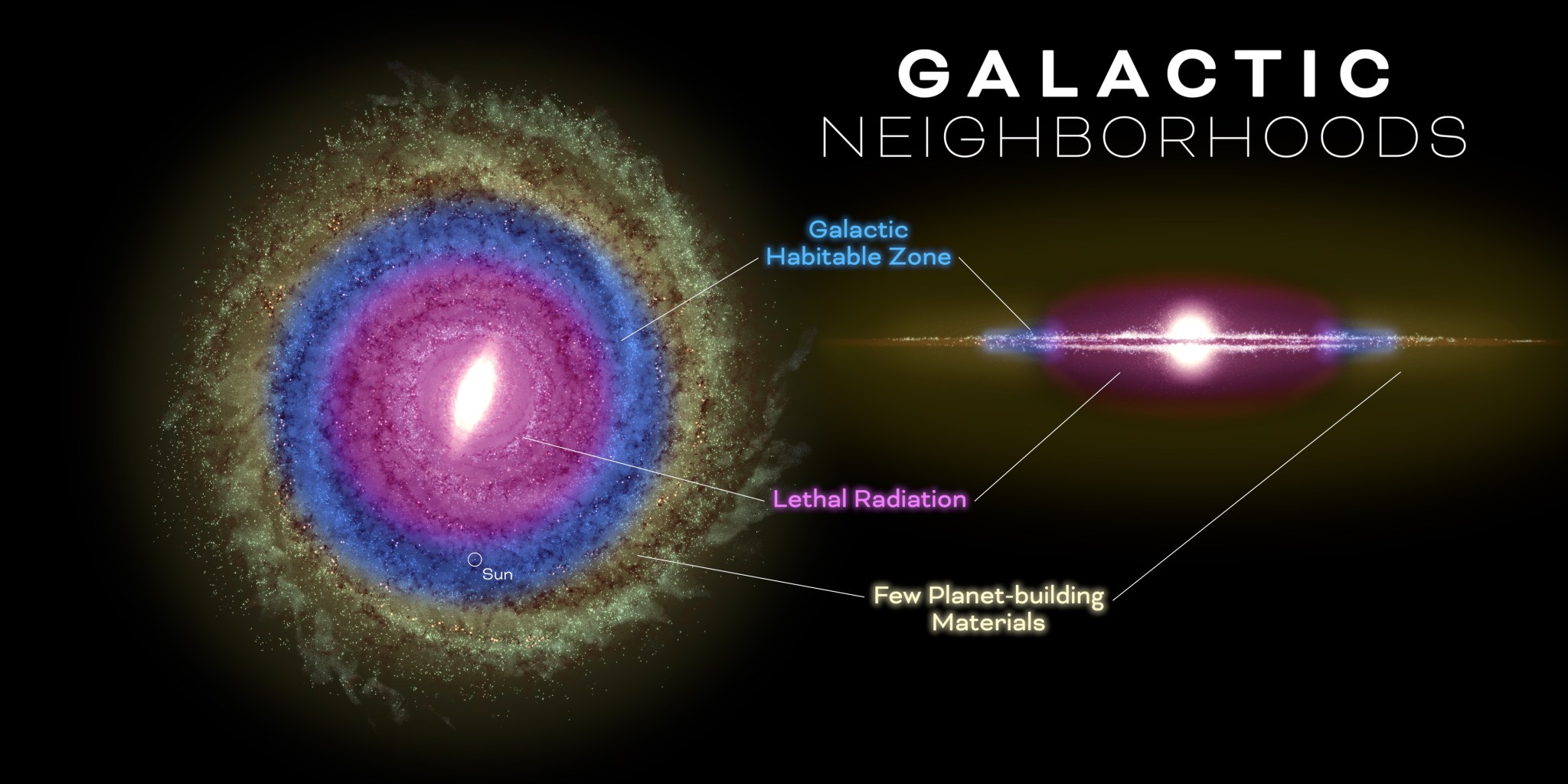
NASA’s Nancy Grace Roman Space Telescope is poised to make a major leap in the hunt for worlds outside our solar system, known as exoplanets. Scientists expect the mission to reveal around 100,000 worlds — a staggering leap compared to the nearly 6,300 found so far thanks to NASA missions working in tandem with other […]
The familiar concept of a planetary core, a small, dense metallic heart we take for granted, may be the exception rather than the rule for exoplanets.
…
TESS has released its most complete view of the sky over Earth, revealing the location of 6,000 potential worlds beyond the solar system.
…

NASA’s TESS has released its most complete view of the starry sky to date

A recently developed ultra-black coating not only efficiently absorbs light, but is also extremely thin and durable, enabling its potential use on starshades that could someday support the imaging of exoplanets and potentially facilitate the detection of life beyond our solar system.

The Milky Way’s galactic bulge, the bulbous region that surrounds the galactic center, contains a dense collection of stars, planets, and other free-floating objects. This region has been studied for decades with numerous ground-based and space-based telescopes, including NASA’s Hubble and James Webb space telescopes. Soon, NASA’s Nancy Grace Roman Space Telescope will be the […]