
The Payload for Ultrahigh Energy Observations (PUEO) is a NASA Astrophysics Pioneers Program mission designed to detect the most energetic particles in the universe.

A recently developed ultra-black coating not only efficiently absorbs light, but is also extremely thin and durable, enabling its potential use on starshades that could someday support the imaging of exoplanets and potentially facilitate the detection of life beyond our solar system.

A team of NASA researchers is developing new types of optical masks that could help enable the many orders of magnitude of starlight suppression needed for future space observatories to pick out very faint habitable exoplanets from the far brighter glare of their stellar hosts.

A NASA-sponsored team has developed electronics that can operate reliably in the harsh radiation and temperature conditions found on distant planetary bodies like Europa, an ocean world orbiting Jupiter. Not only could this new technology enable autonomous sensors and robotic exploration of distant ocean worlds, it could also support NASA’s goal to establish human outposts on the Moon and Mars by enabling electronic systems to function in those cold regions with reduced heating requirements.
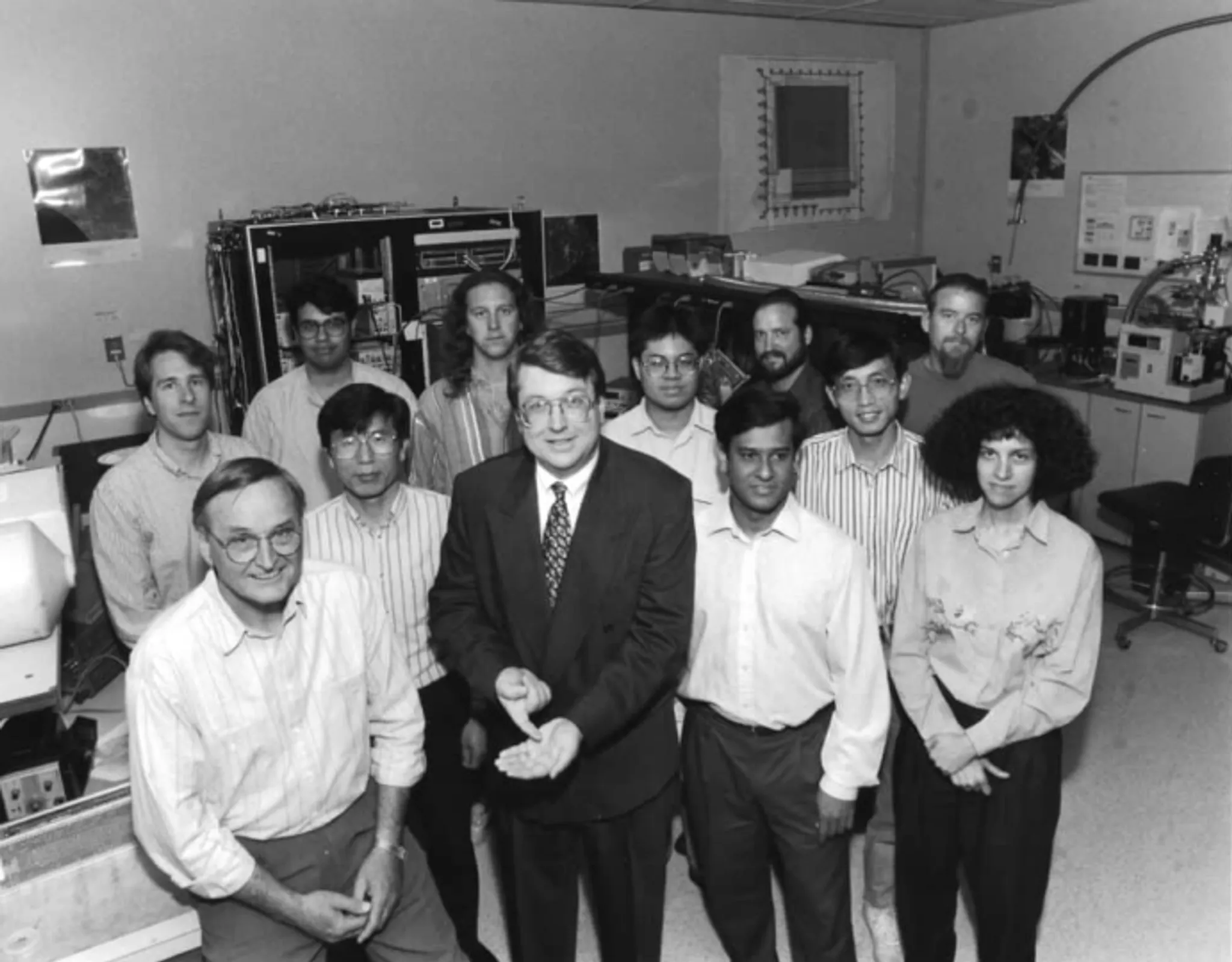
Groundbreaking “camera-on-a-chip” technology that was originally developed at NASA’s Jet Propulsion Laboratory (JPL) for use in space missions is currently employed in billions of devices like cell phones that are used daily by people worldwide.