
NASA has selected seven companies to provide construction, revitalization, and infrastructure improvements at the agency’s Johnson Space Center in Houston. The Johnson Space Center Multiple Award Construction Contract supports up to $300 million in upgrades to mission‑support facilities, utilities, and equipment across the NASA Johnson campus. All funds must be obligated by Sept. 30, 2026. […]
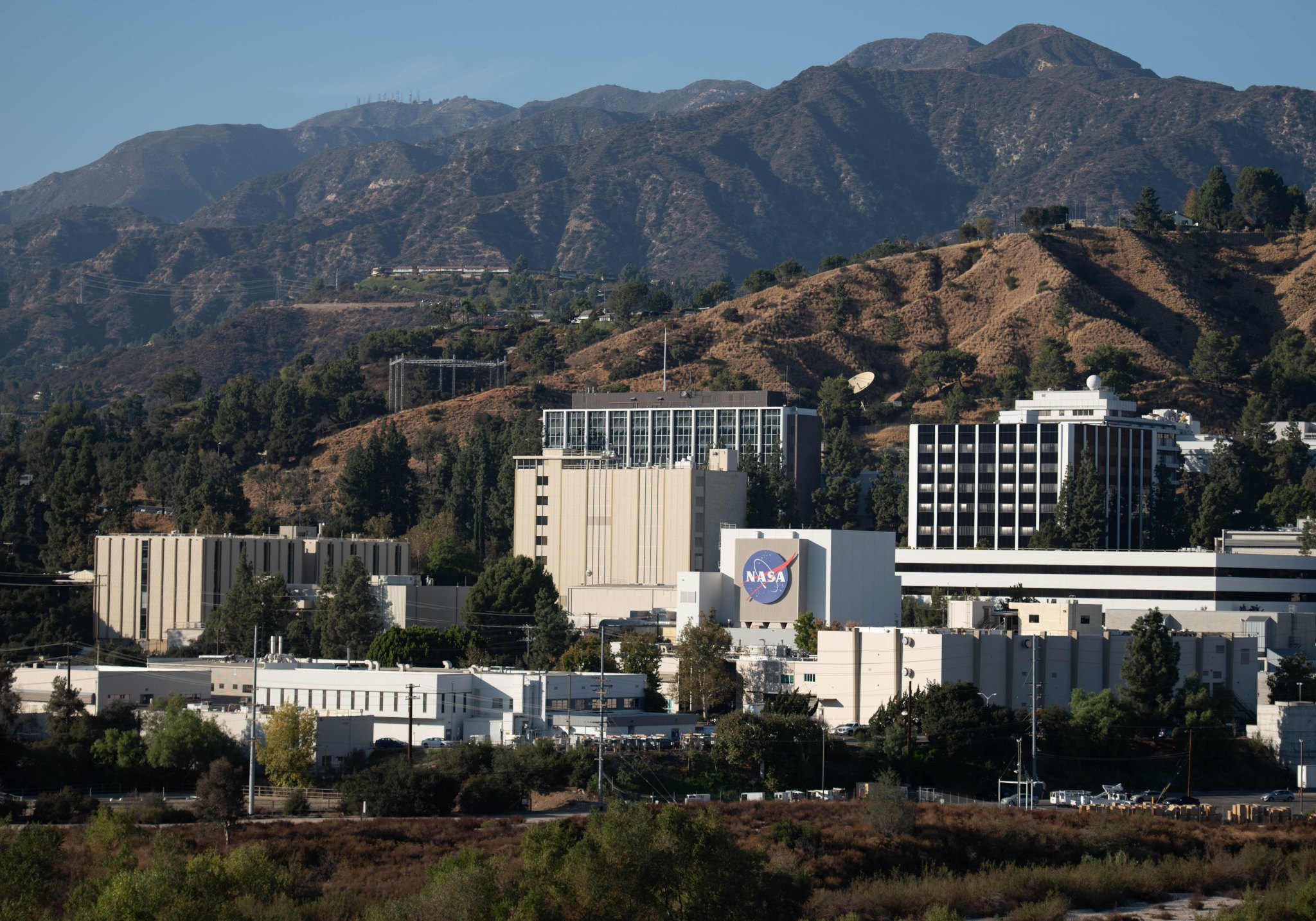
NASA announced plans Friday to compete the next contract for managing and operating the agency’s federally funded research and development center (FFRDC) in Southern California at the Jet Propulsion Laboratory (JPL), to ensure continued accountability and strong value for U.S. taxpayers. The California Institute of Technology (Caltech) has managed the laboratory since its inception in […]
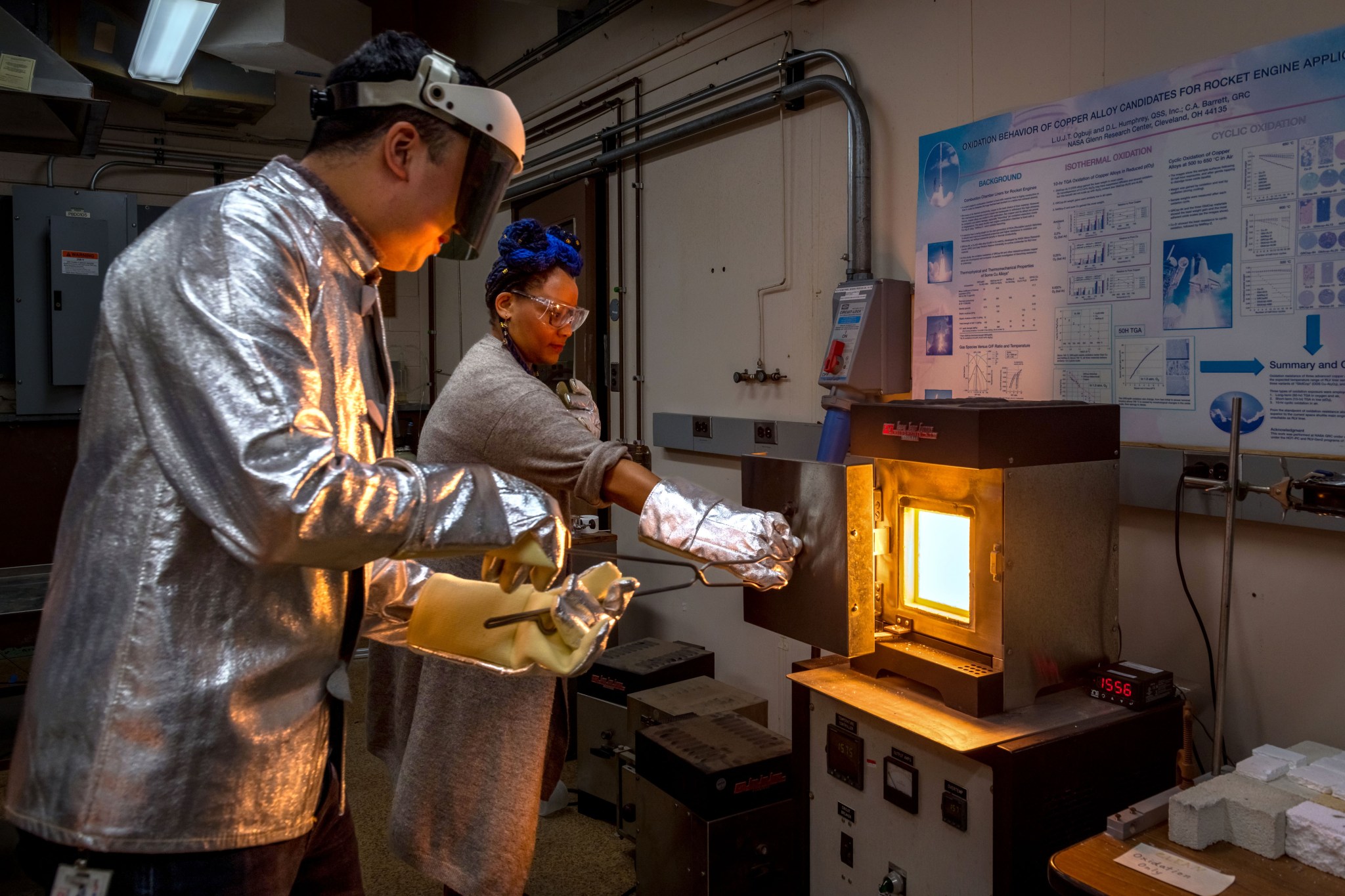
A material recently discovered and tested at NASA’s Glenn Research Center in Cleveland could help astronauts pack lighter for future missions to the Moon. NASA is researching ways explorers could “live off the land” by harnessing lunar resources, including melting Moon rocks to extract metals for building infrastructure and oxygen for fuel and life support. […]
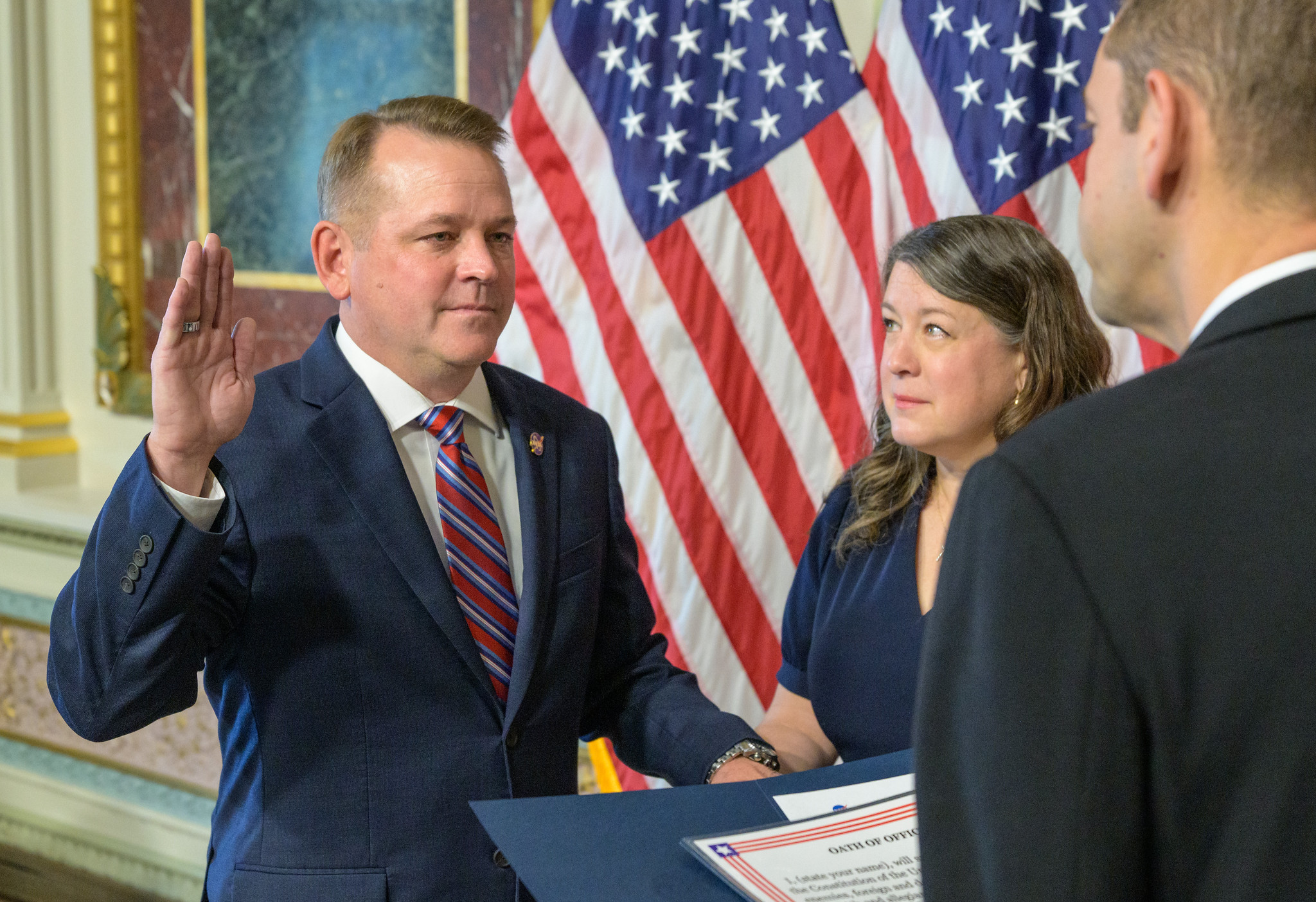
Matt Anderson was sworn in Thursday as NASA’s 16th deputy administrator by NASA Administrator Jared Isaacman. The oath was taken during a ceremony held at the Eisenhower Executive Office Building in Washington. As NASA deputy administrator, Anderson will help lead the agency’s efforts to execute the President’s national space policy, strengthen America’s leadership in space, […]

NASA announced Friday that Brian Hughes will return to the agency as senior director of launch operations, based at the agency’s Kennedy Space Center in Florida. In this role, Hughes will provide enterprise-level leadership, strategic direction, and operational oversight for NASA’s launch infrastructure. Reporting to NASA Headquarters in Washington, Hughes will have direct responsibility for […]
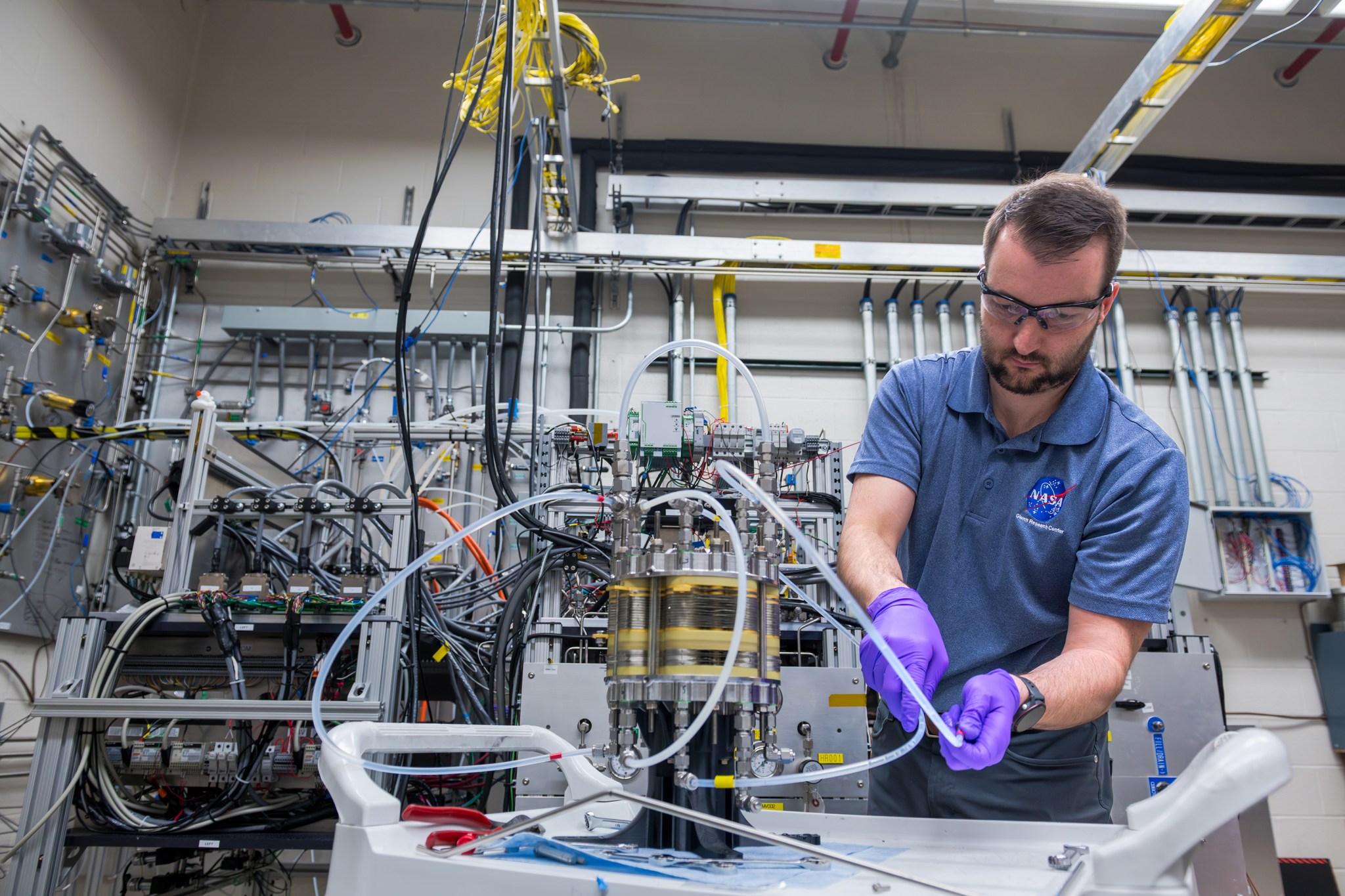
With a small blue crane, four researchers hoist a cylindrical fuel cell, which looks like a stack of flattened silver and gold soda cans bundled together, into the air and lower it into a rectangular cart on wheels. A tangle of tubes and wires spiral away from the system, where nearly 270 sensors and 1,000 […]
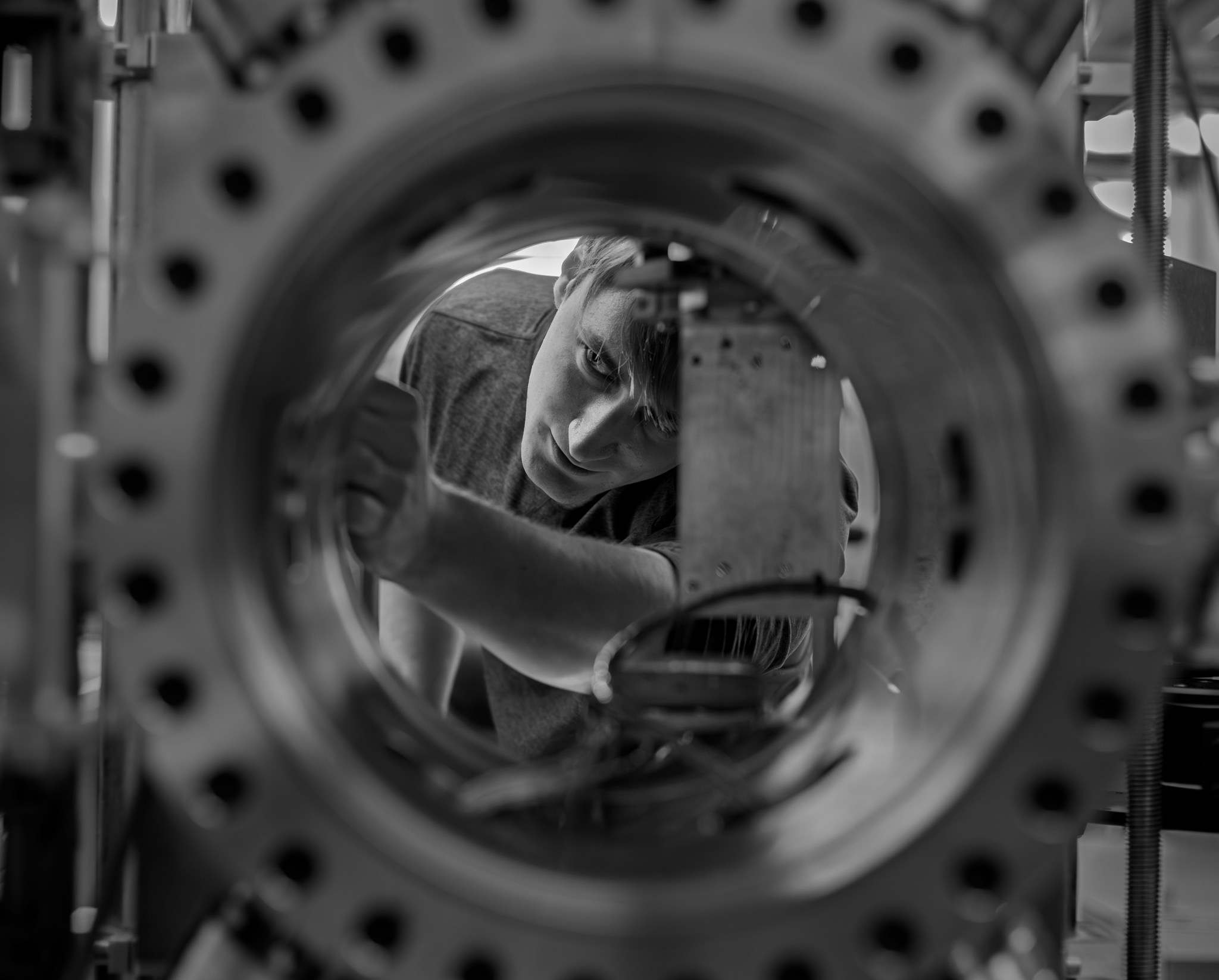
As NASA looks to explore the Moon, Mars, and beyond, researchers must develop materials capable of withstanding the extreme temperatures found in space and on other planets and their moons. In frigid conditions, rubber can shatter like glass, circuit boards may fail, and electrical connections can freeze and fracture. Gaining a deeper understanding of how […]
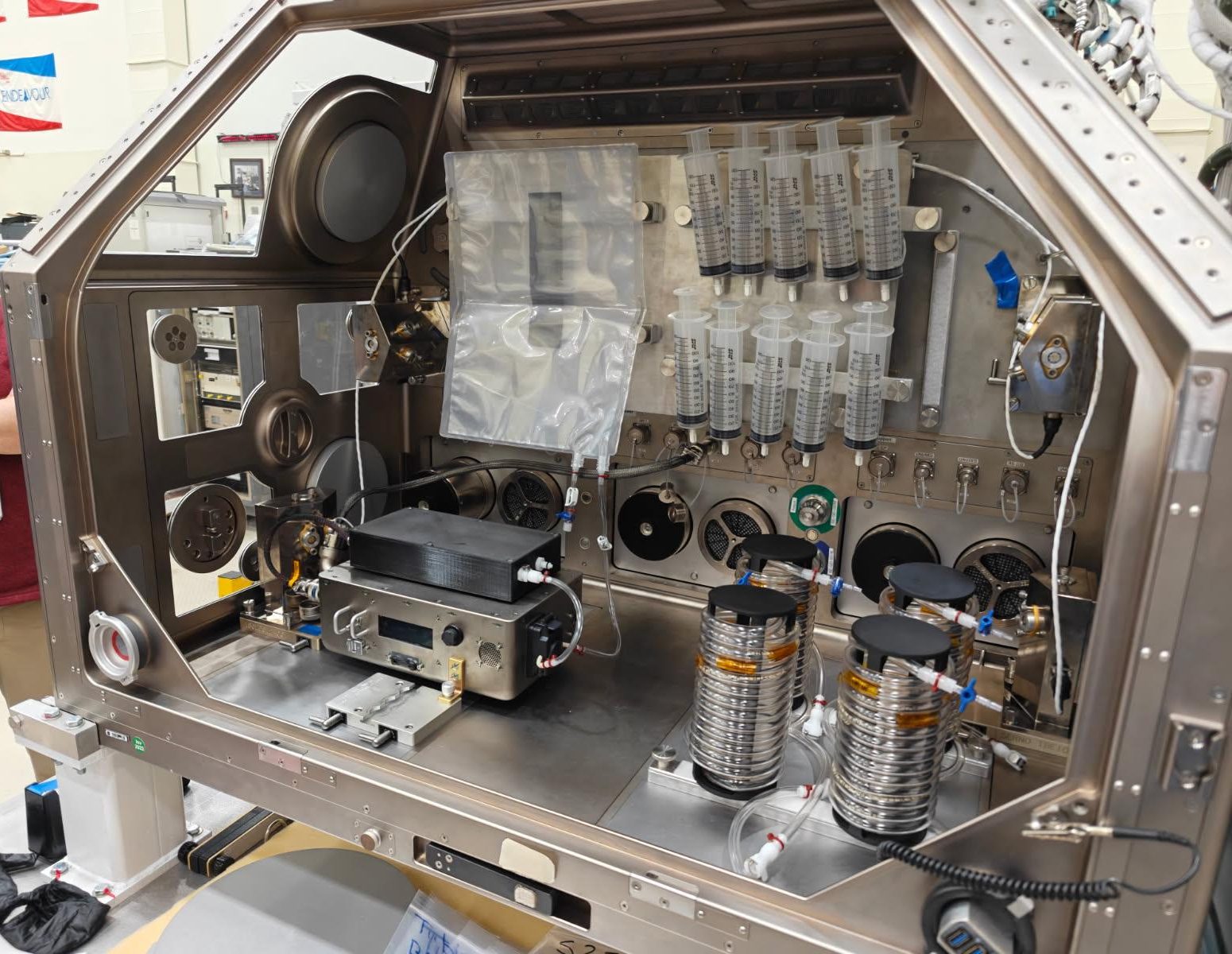
On every crewed mission, NASA packs pouches of a potentially life-saving liquid in its cargo, known as IV (or intravenous) fluid. A simple mix of sodium chloride and purified water, it can treat up to 30% of medical conditions in flight, resolving things like dehydration, burns, and more. Crewed missions beyond low Earth orbit into […]
Continuing NASA’s longtime support of American industry, the agency announced its selection of more than 30 companies to develop innovative technology through its Small Business Innovation Research (SBIR) and Small Business Technology Transfer (STTR) program. With these awards, NASA is investing approximately $16.3 million in seed funding of technology solutions to benefit the agency and energize the space economy.
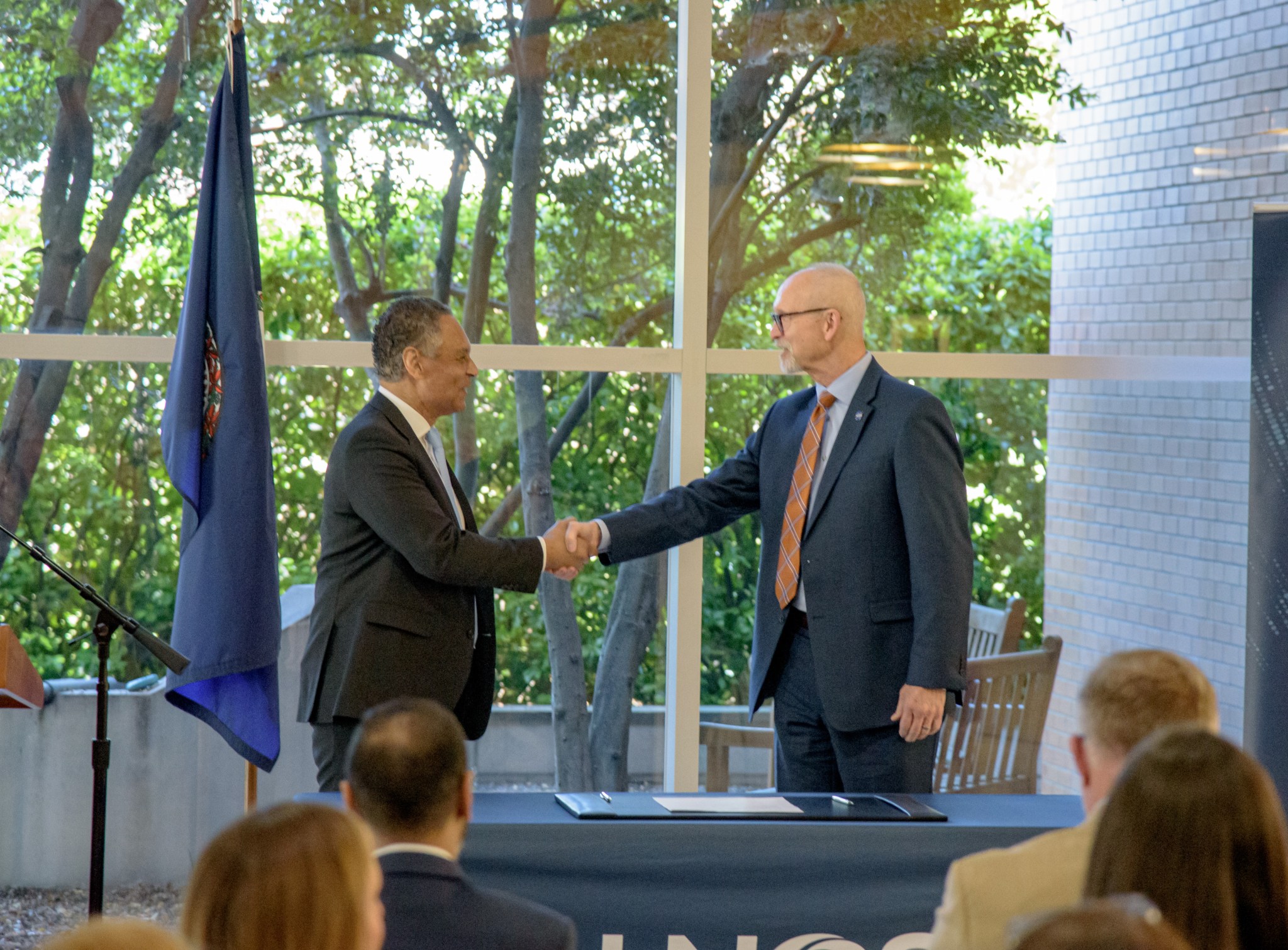
Every second counts in the life-saving world of medical transplants. To help address that urgency, NASA’s Langley Research Center in Hampton, Virginia, is teaming up with the United Network for Organ Sharing (UNOS) to explore faster, more reliable ways to transport donor organs using advanced aviation technologies. NASA Langley and UNOS will collaborate under a new Space Act Agreement announced […]