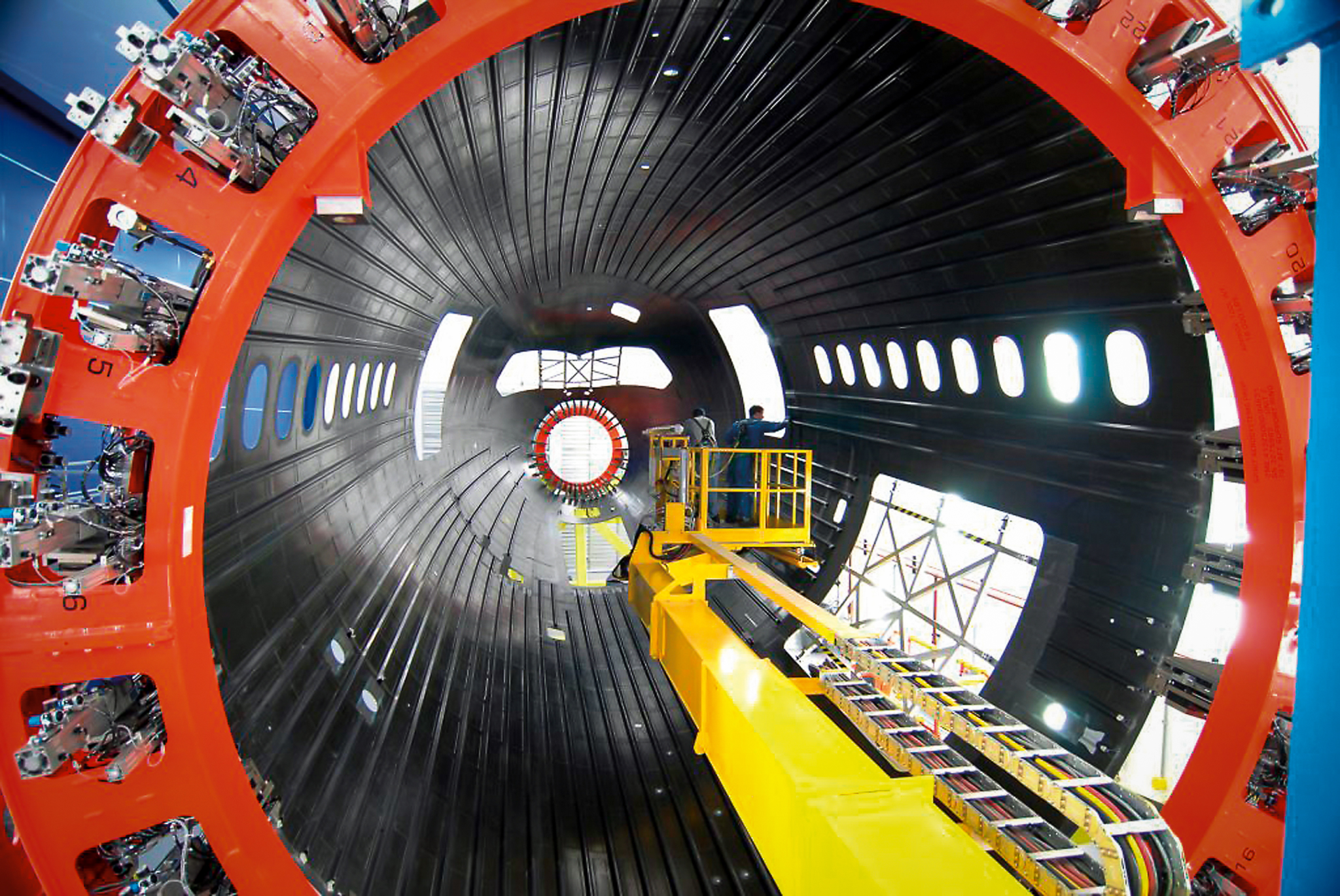
NASA’s Hi-Rate Composite Aircraft Manufacturing (HiCAM) project brought together its full team of Advanced Composites Consortium partners for a 2026 spring review at NASA’s Langley Research Center in Hampton, Virginia. The meeting took place May 5-7, bringing together about 150 people from the consortium, a 22-member public-private partnership. The review gave NASA and industry partners a chance to look at recent progress and […]
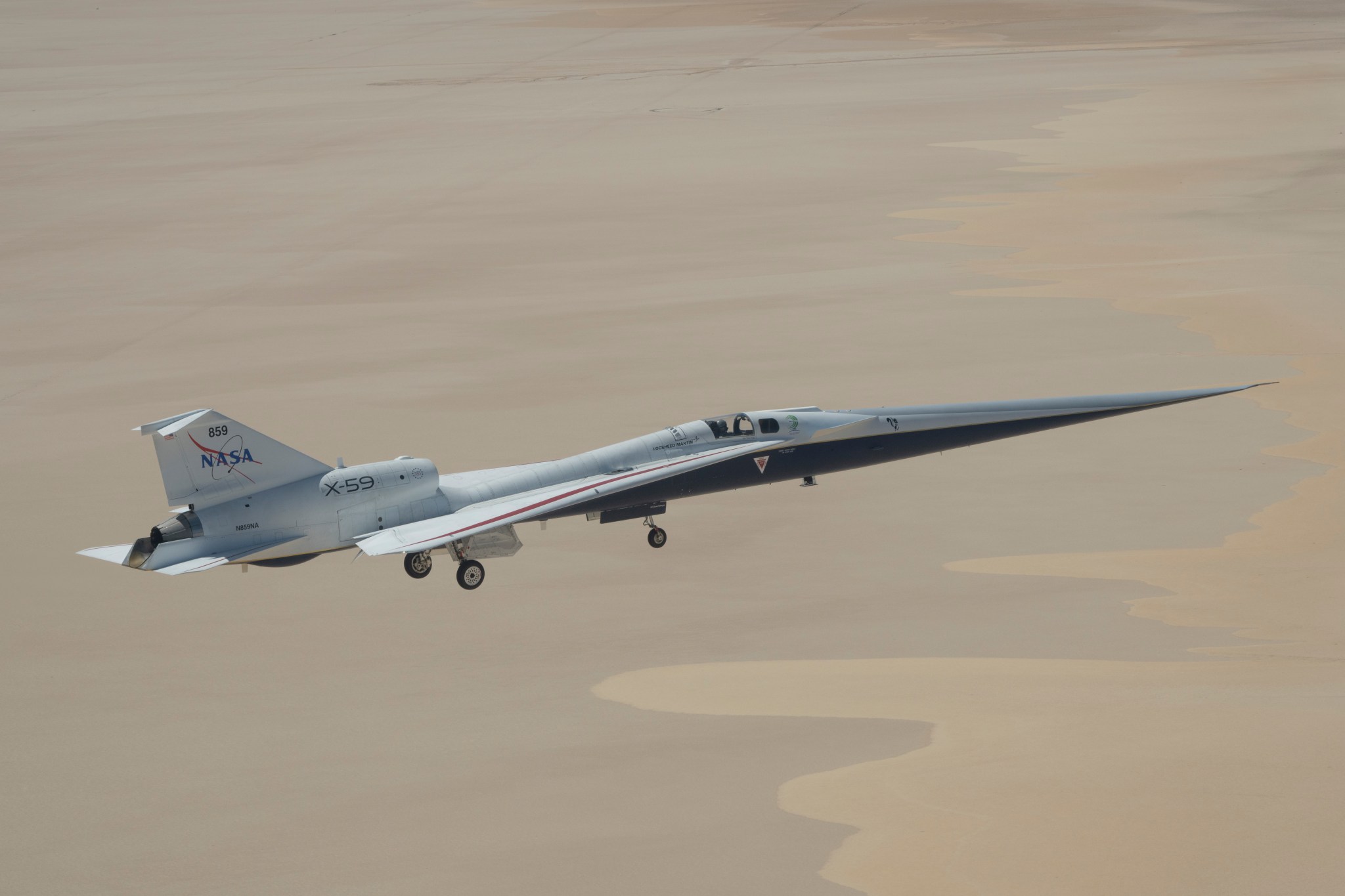
NASA’s X-59 quiet supersonic research aircraft is preparing for some of its most significant flights yet. The X-plane is about to begin a new block of test flights that will include its first time flying faster than the speed of sound and other mission-critical objectives. “What comes next is the first time this one-of-a-kind aircraft […]
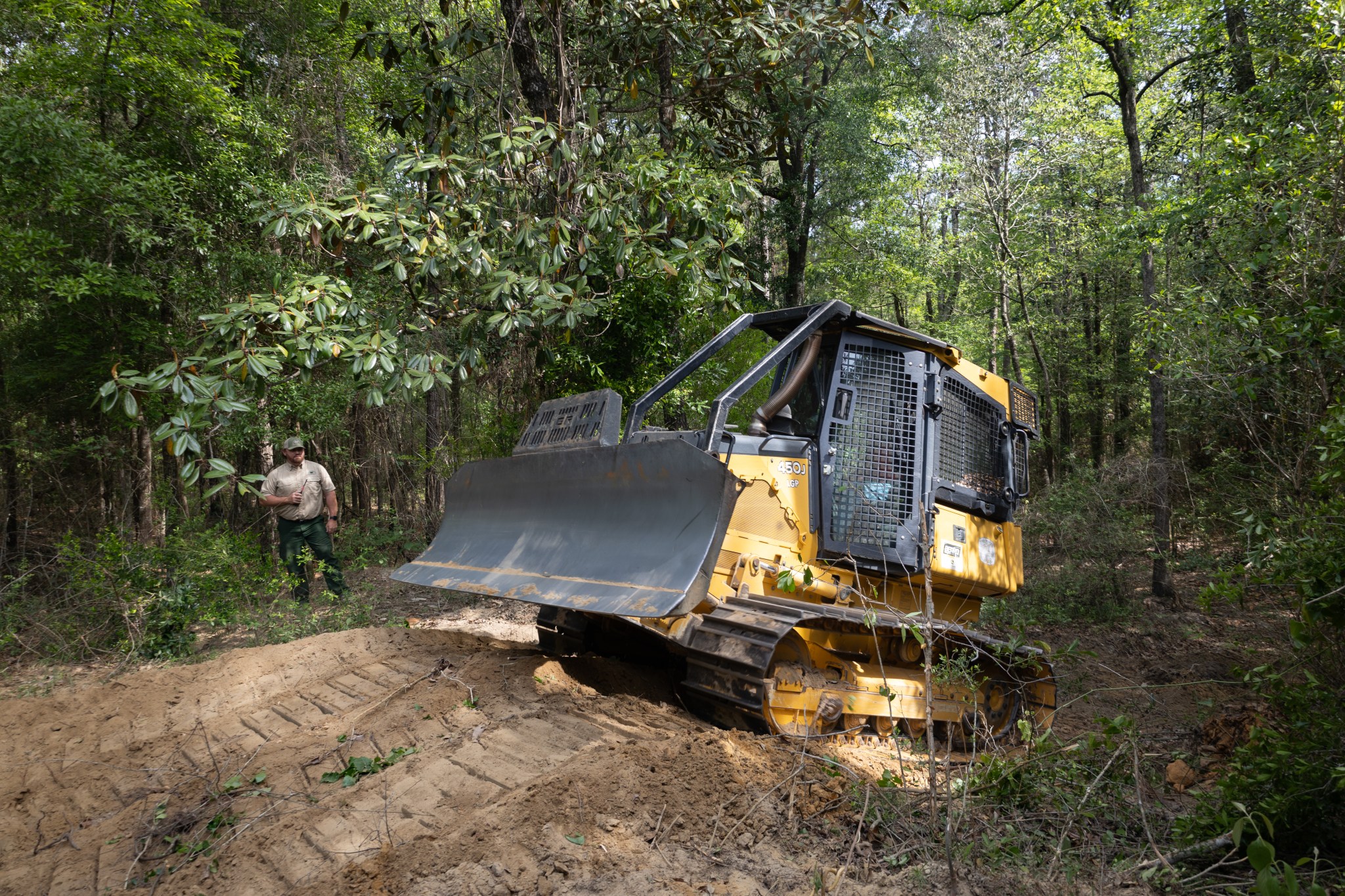
With peak wildfire season approaching, scientists with NASA’s FireSense project have created low-cost thermal sensors to install on fire bulldozers that will alert firefighters when heat from a nearby fire reaches a dangerous level. The sensors also provide researchers with important data on what happens beneath the canopy during a fire. In April, researchers and […]
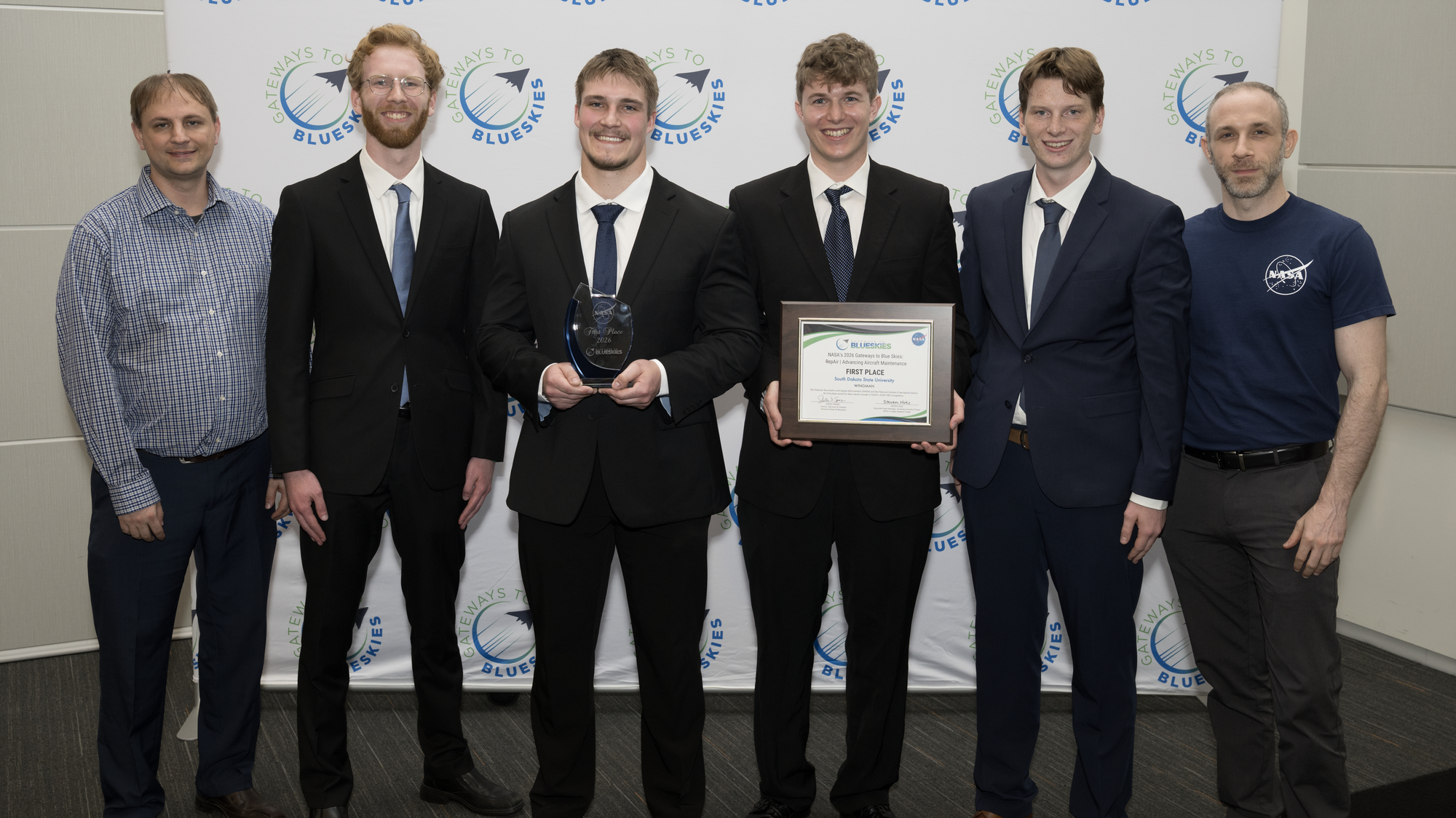
The South Dakota State University team took first place at NASA’s fifth annual Gateways to Blue Skies Competition, which challenged student teams to address a critical element of U.S. aviation: aircraft maintenance. This year’s competition, RepAir: Advancing Aircraft Maintenance, asked teams of postsecondary students to develop innovative systems and practices that could advance commercial aircraft […]
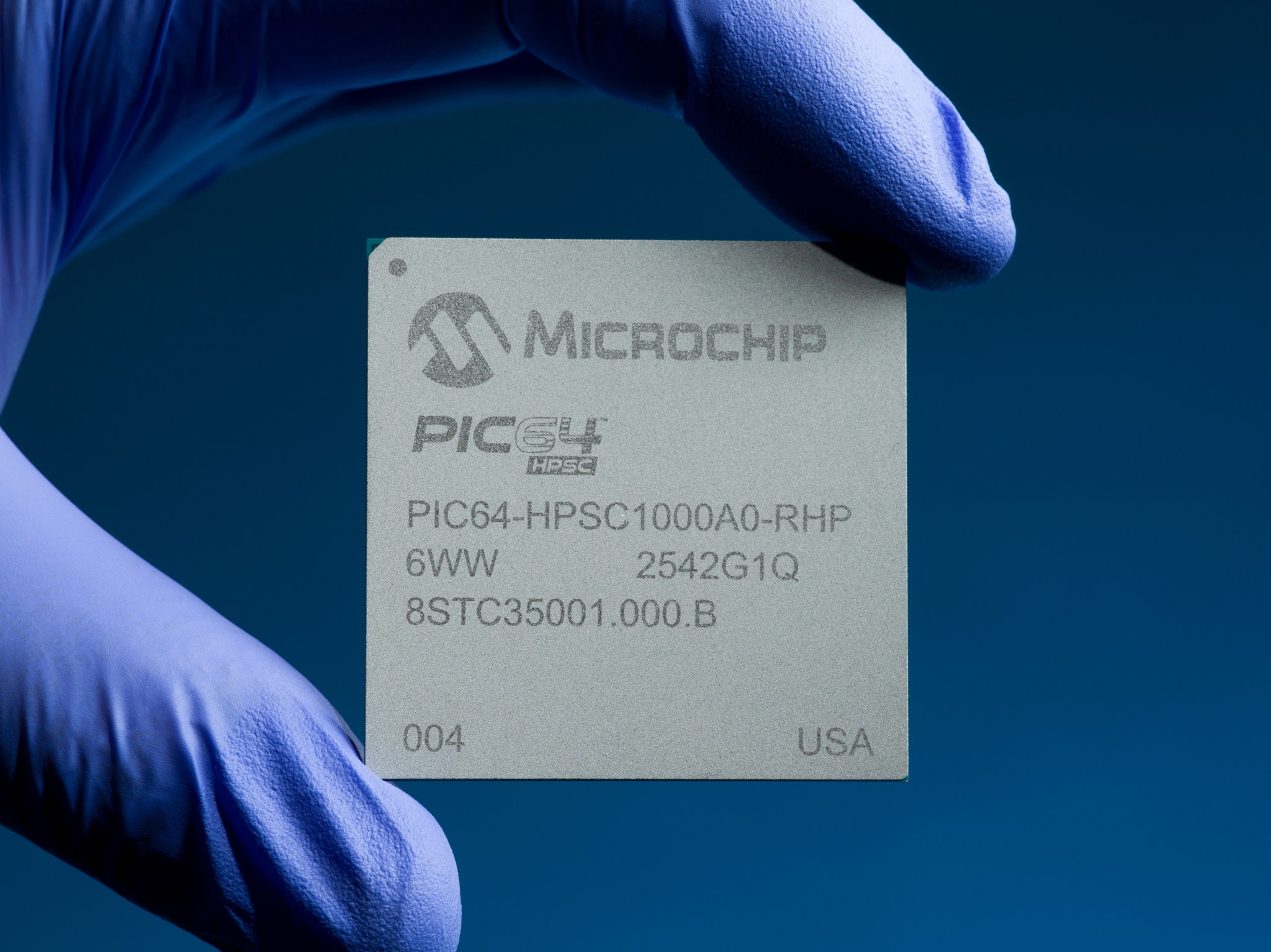
For decades, NASA has advanced on-board spacecraft computer processors that coordinate and execute the functions needed to support mission success. Space computing originated in the 1960s with the Apollo Guidance Computers, which were pivotal for guidance, navigation, and control computations during NASA’s first Moon missions. For decades, radiation-hardened processors have been the backbone of the […]
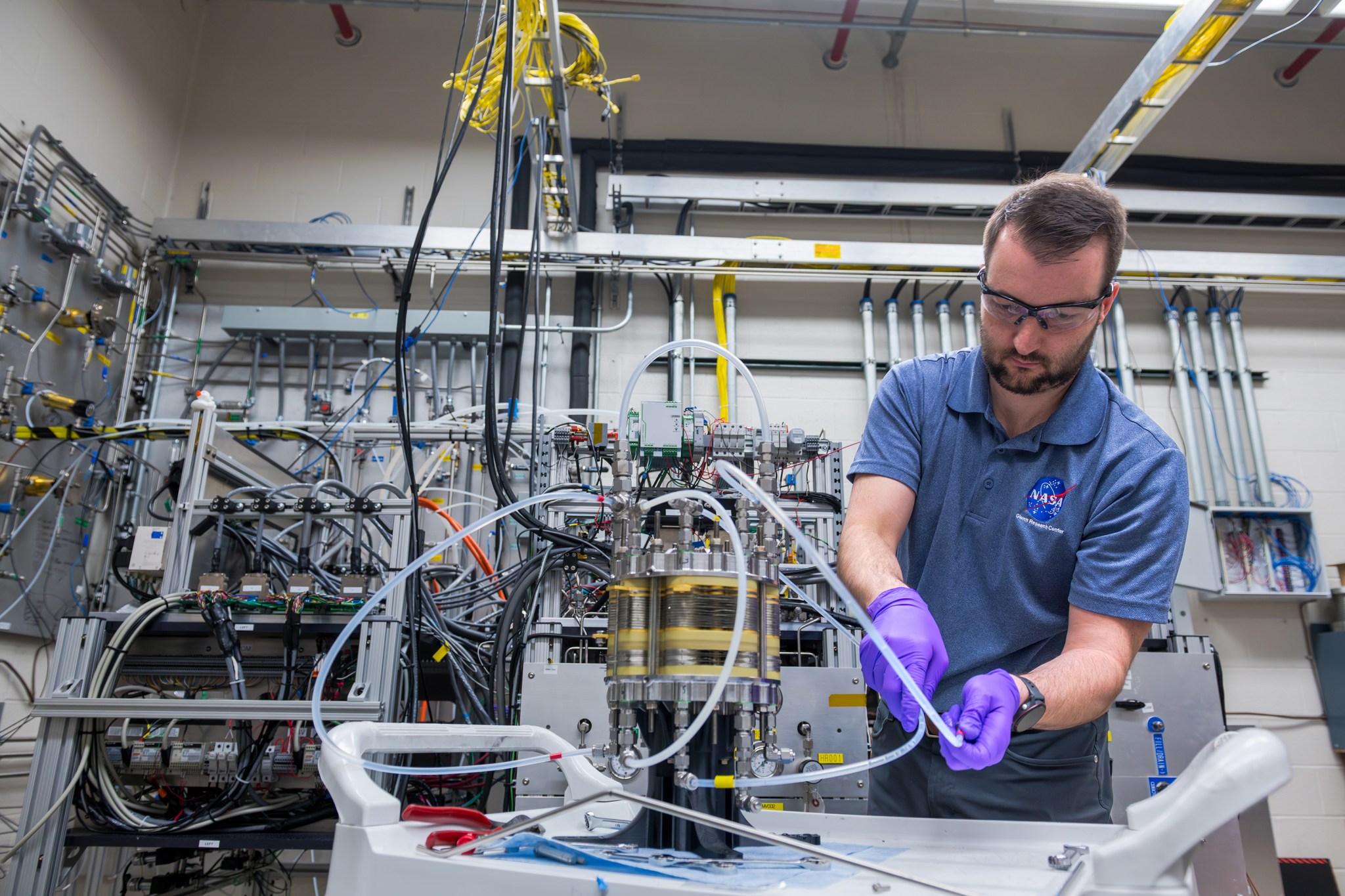
With a small blue crane, four researchers hoist a cylindrical fuel cell, which looks like a stack of flattened silver and gold soda cans bundled together, into the air and lower it into a rectangular cart on wheels. A tangle of tubes and wires spiral away from the system, where nearly 270 sensors and 1,000 […]
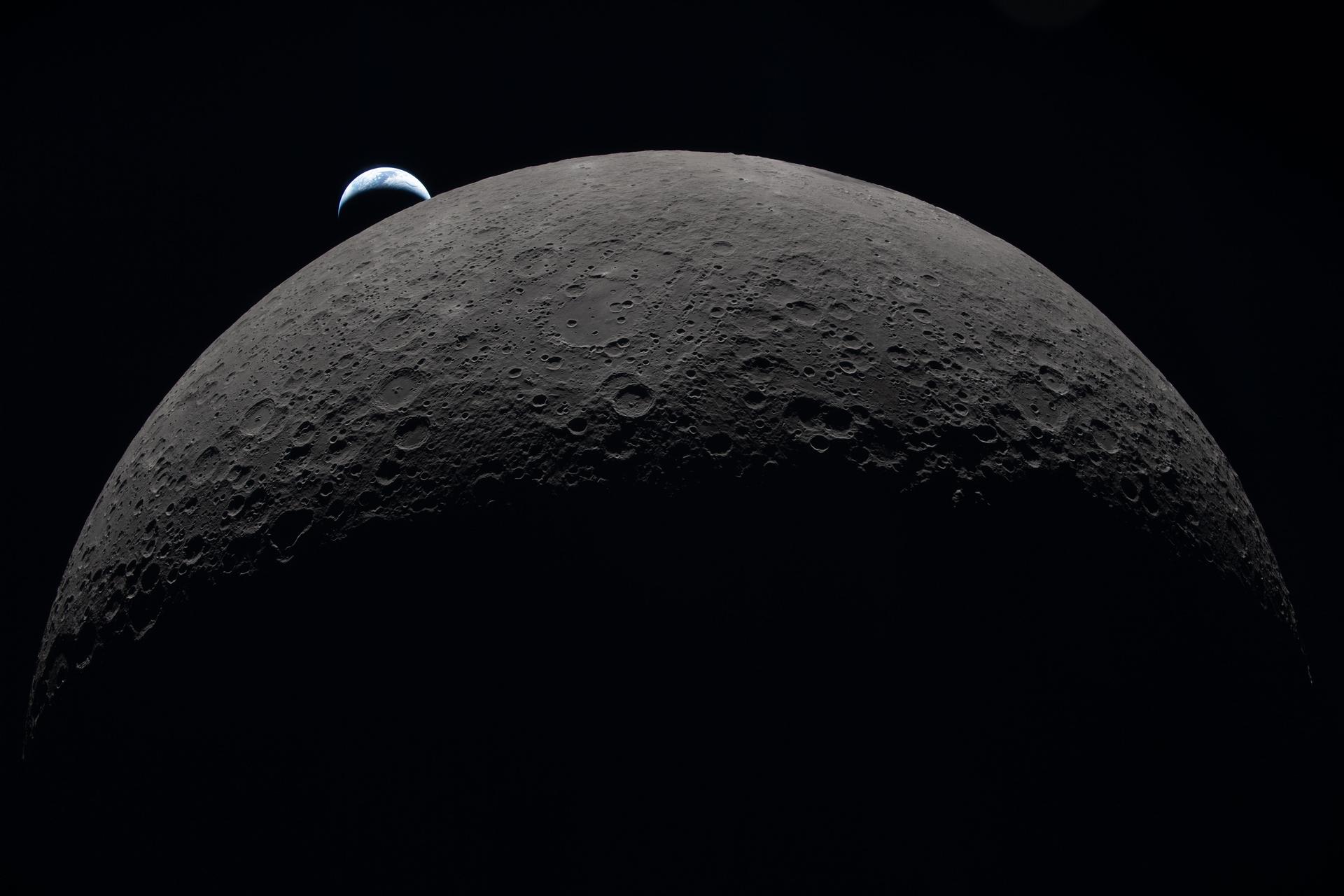
To support long-duration missions to the Moon and Mars, NASA and industry are developing technologies that can extract resources such as hydrogen and helium-3 from lunar soil, known as regolith. This capability, known as in-situ resource utilization (ISRU), allows explorers to use what is already available on other planetary bodies, from water ice to minerals. […]
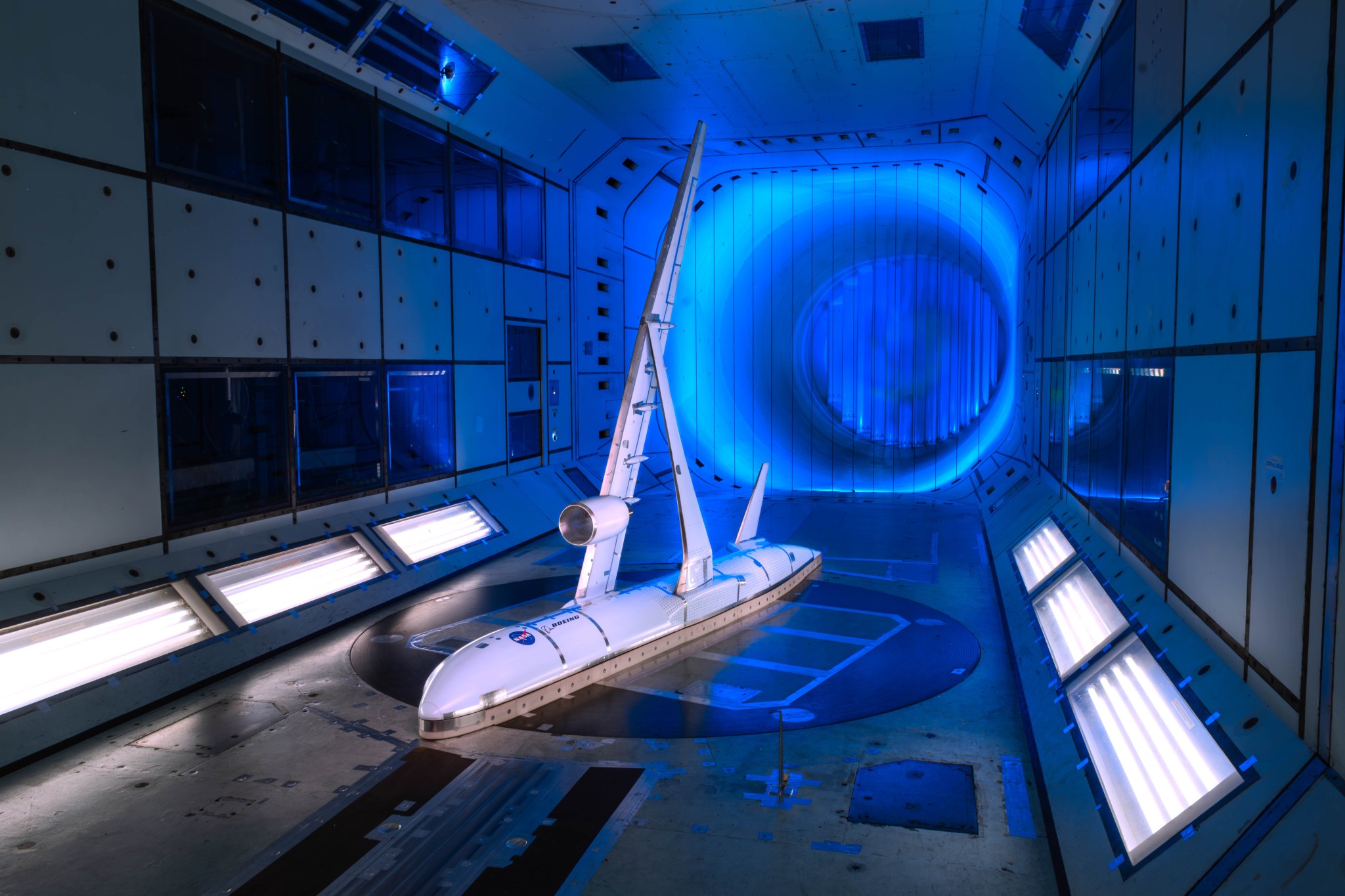
NASA and Boeing have completed wind tunnel testing to study an innovative advanced aircraft design intended to improve aerodynamic efficiency. A truss-braced wing configuration, involving a long, thin wing with aerodynamically shaped structural supports, has the potential to reduce fuel and operational costs for future airliners, which is why NASA has collaborated with Boeing to […]
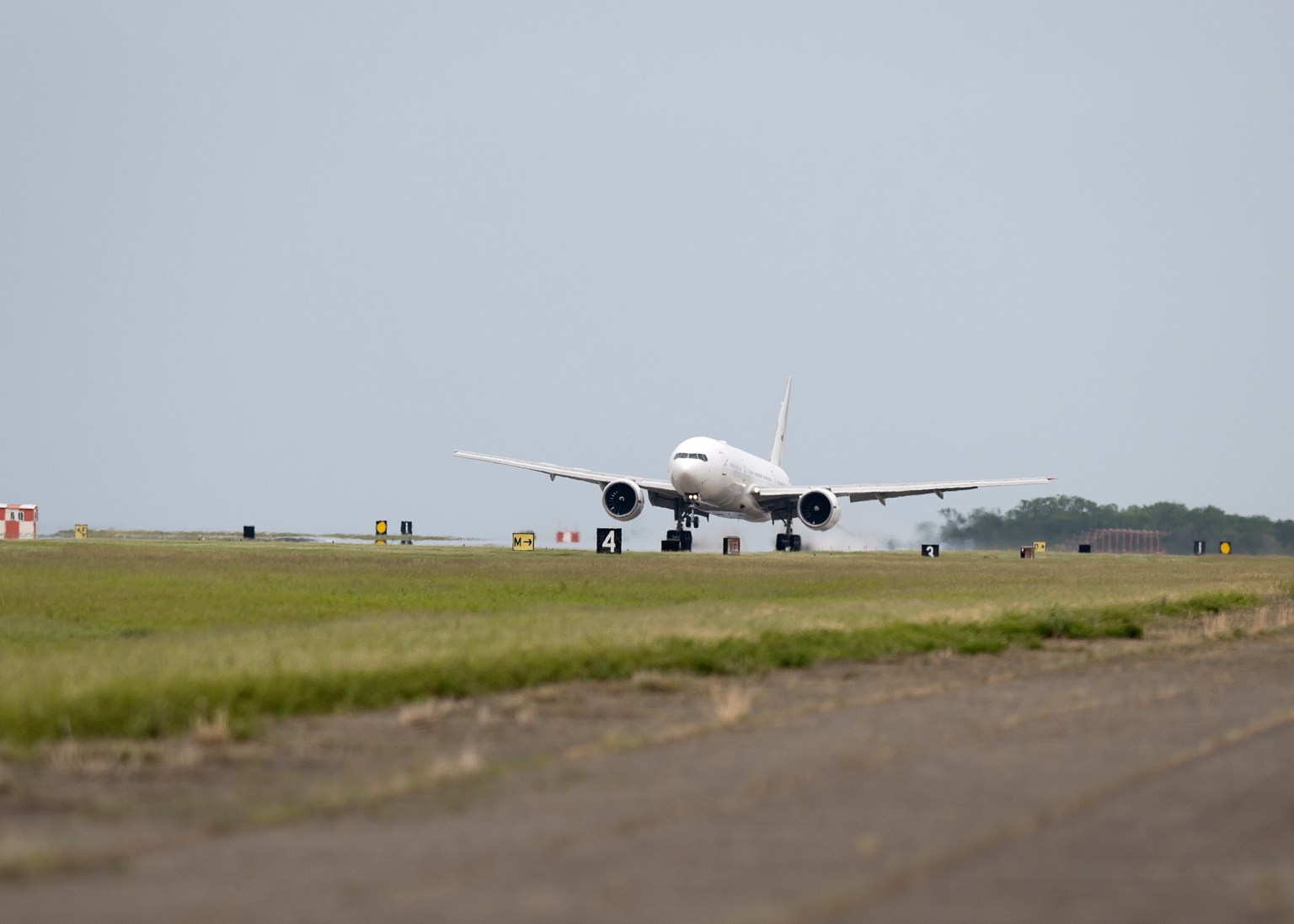
NASA’s Boeing 777 has returned to the agency’s fleet after undergoing heavy structural modifications as it transforms from a giant passenger plane into the agency’s next-generation airborne science laboratory. After a check flight and a three-hour transit from Waco, the aircraft returned to NASA’s Langley Research Center in Hampton, Virginia, on April 22. Since January […]
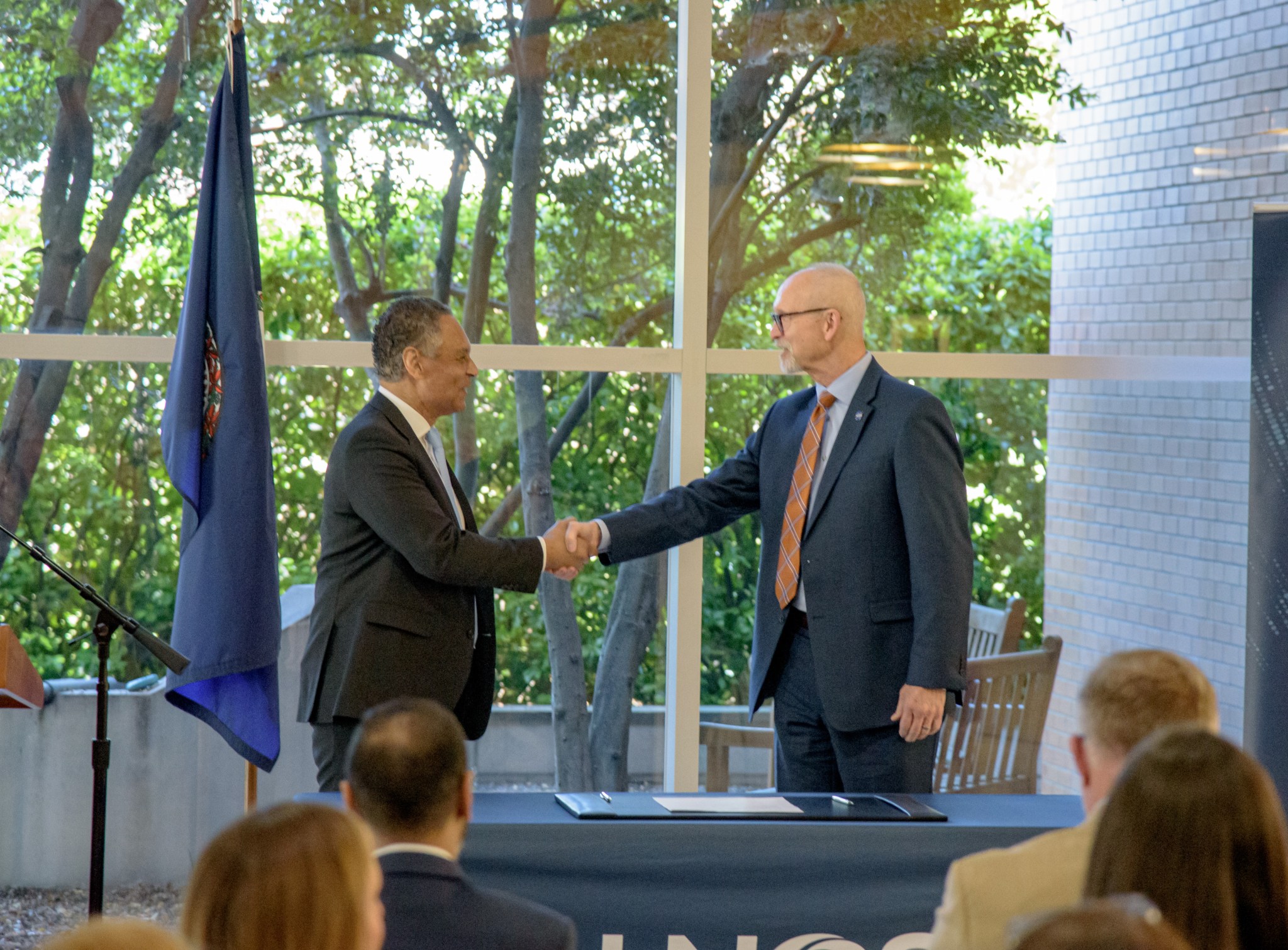
Every second counts in the life-saving world of medical transplants. To help address that urgency, NASA’s Langley Research Center in Hampton, Virginia, is teaming up with the United Network for Organ Sharing (UNOS) to explore faster, more reliable ways to transport donor organs using advanced aviation technologies. NASA Langley and UNOS will collaborate under a new Space Act Agreement announced […]