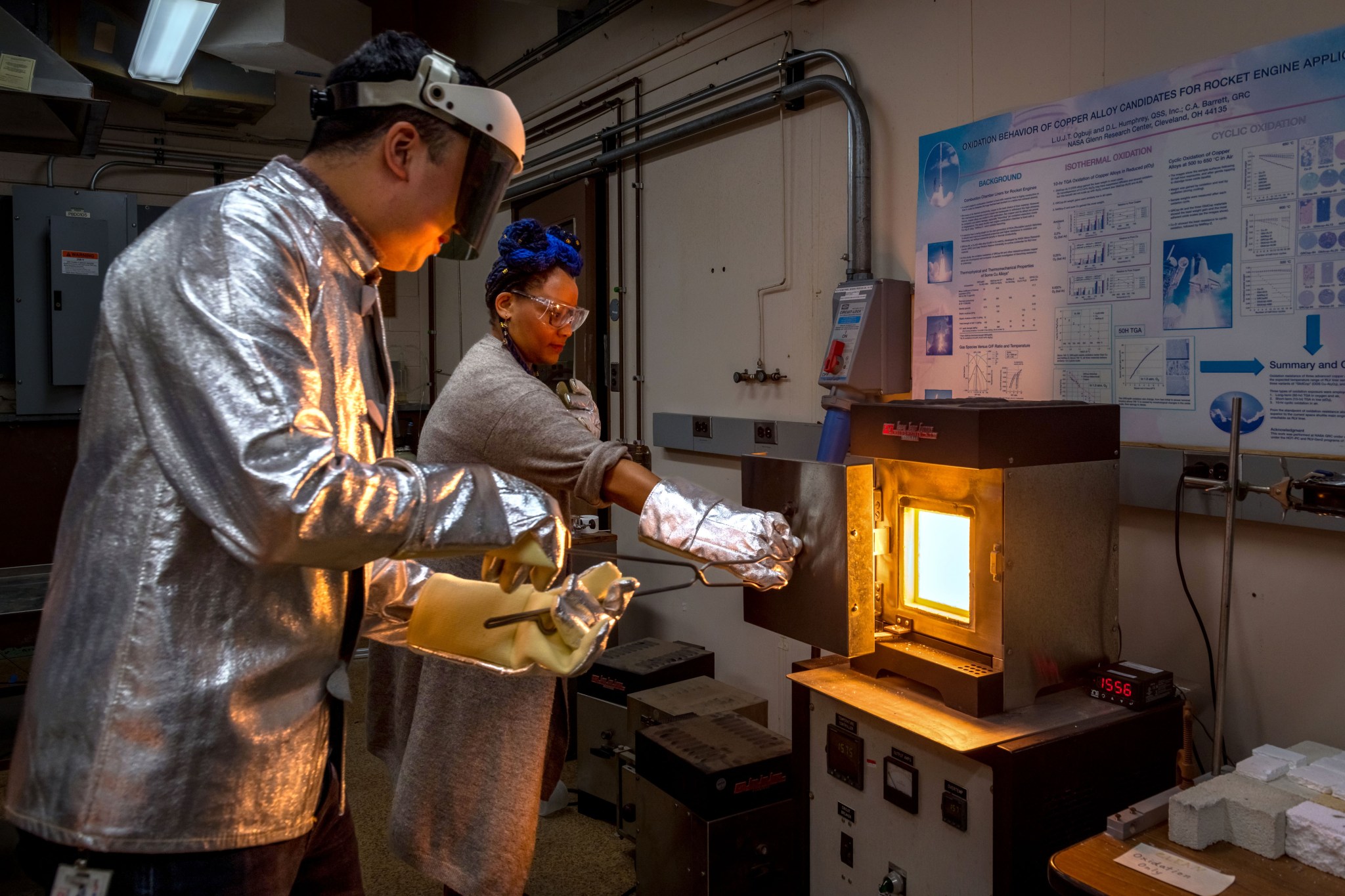
A material recently discovered and tested at NASA’s Glenn Research Center in Cleveland could help astronauts pack lighter for future missions to the Moon. NASA is researching ways explorers could “live off the land” by harnessing lunar resources, including melting Moon rocks to extract metals for building infrastructure and oxygen for fuel and life support. […]
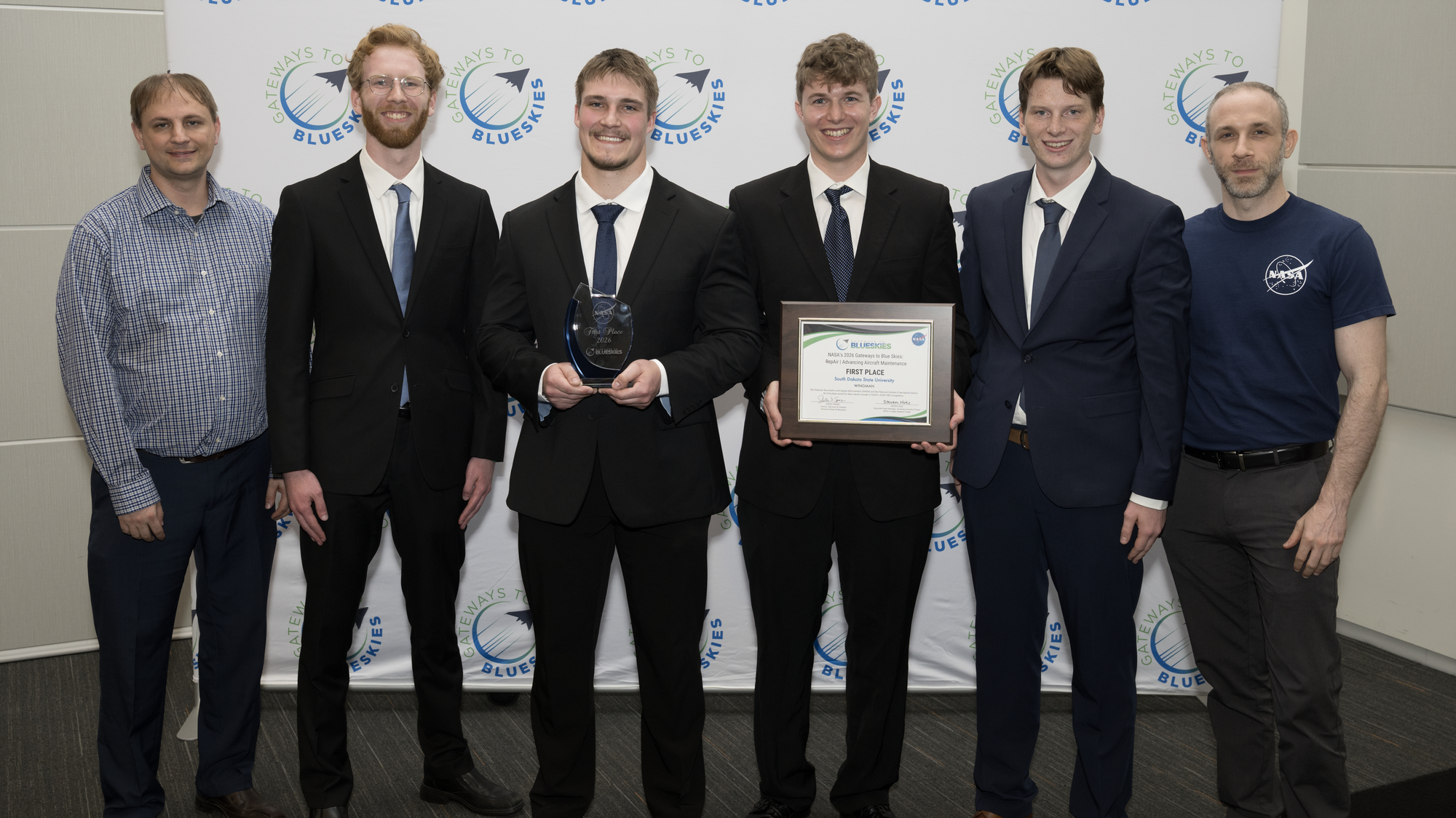
The South Dakota State University team took first place at NASA’s fifth annual Gateways to Blue Skies Competition, which challenged student teams to address a critical element of U.S. aviation: aircraft maintenance. This year’s competition, RepAir: Advancing Aircraft Maintenance, asked teams of postsecondary students to develop innovative systems and practices that could advance commercial aircraft […]
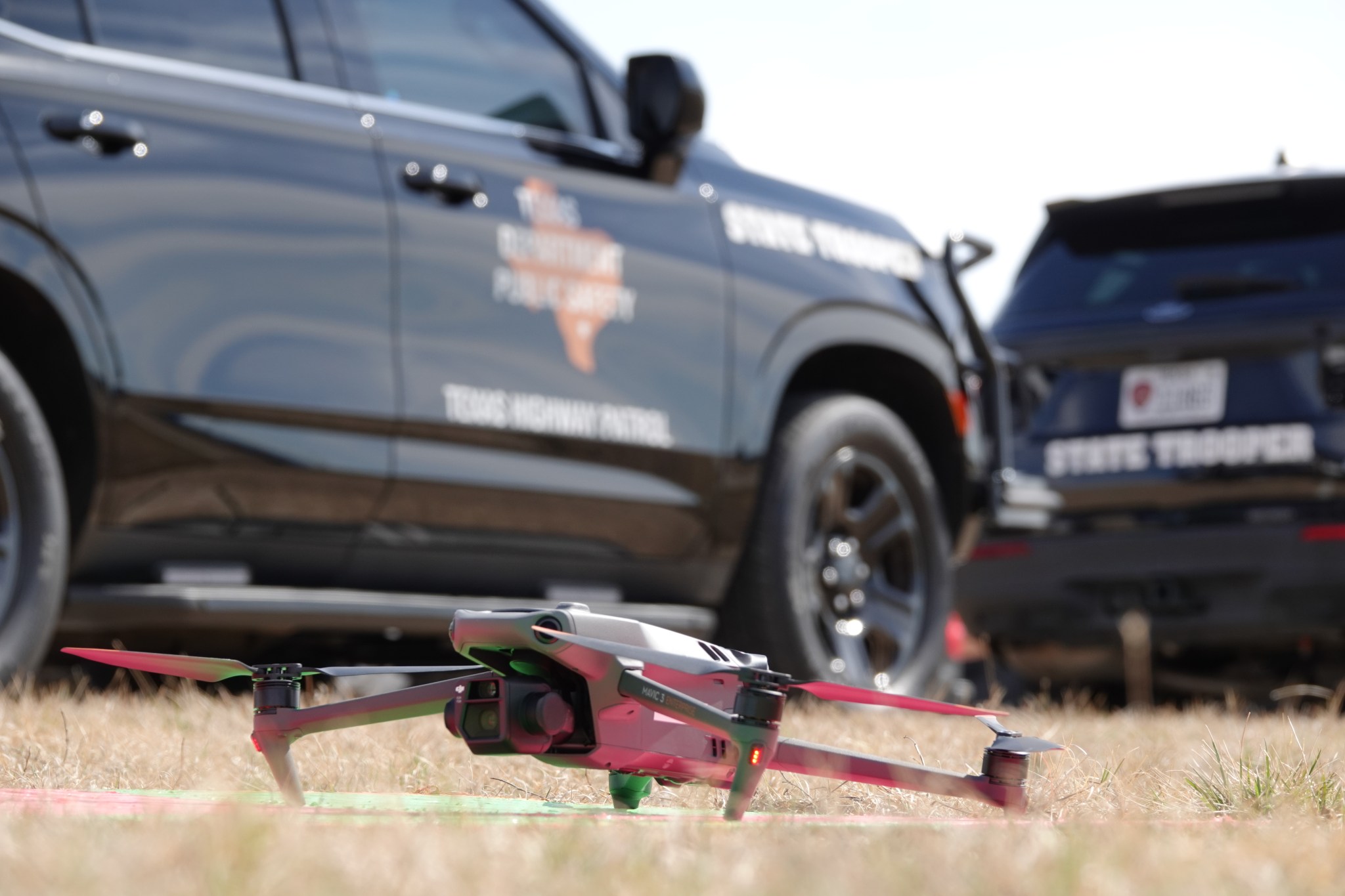
Our streets are crowded with commuters and delivery vehicles, but when a police car or fire engine approaches with its lights and sirens on, drivers clear the way. In the coming years, drones for deliveries and other commercial tasks will become common in the skies over our communities, and NASA is working to ensure first […]
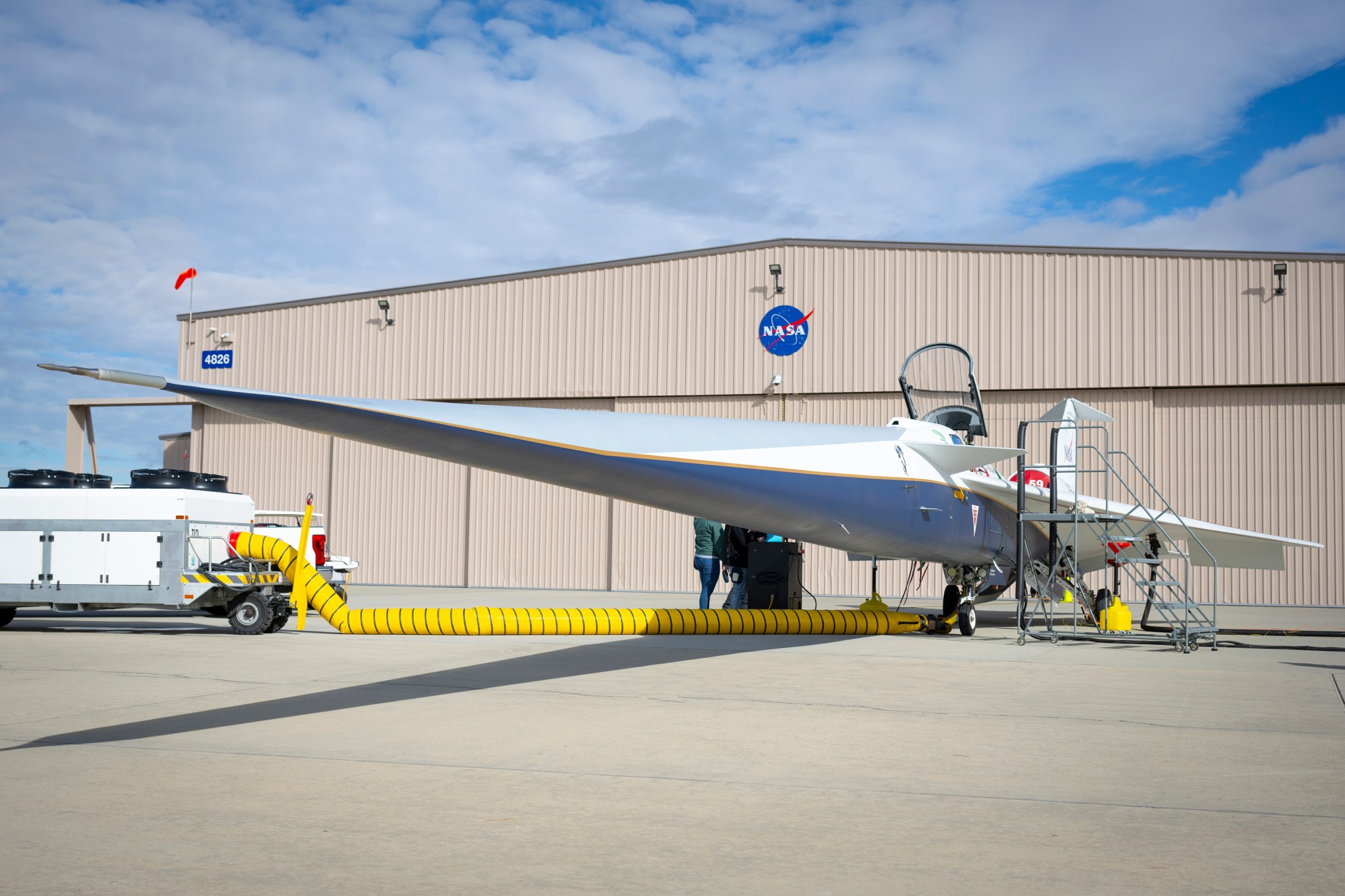
There’s no sign reading “home sweet home” in the hangar where the X‑59 now sits, but the sentiment is unmistakable among those tending to the quiet supersonic aircraft. Located at NASA’s Armstrong Flight Research Center in Edwards, California, the X-59 hangar was built in 1968 but looks like new thanks to a full renovation and […]
For years, NASA engineers have turned to a tool called the Launch, Ascent, and Vehicle Aerodynamics (LAVA) framework to solve airflow challenges that could mean the difference between mission success or failure. When engineers need to know how a spacecraft will navigate re-entry or whether a new aircraft wing design will create enough lift, they […]
Airflow around rockets as they travel from Earth into space can have a dramatic impact on a mission, which is why NASA used advanced simulations to provide the best possible launch conditions for the Artemis II test flight around the Moon. To better understand the Artemis Space Launch System (SLS) rocket’s flight environment, engineers turned to a NASA-developed tool called the Launch, Ascent, and Vehicle Aerodynamics […]
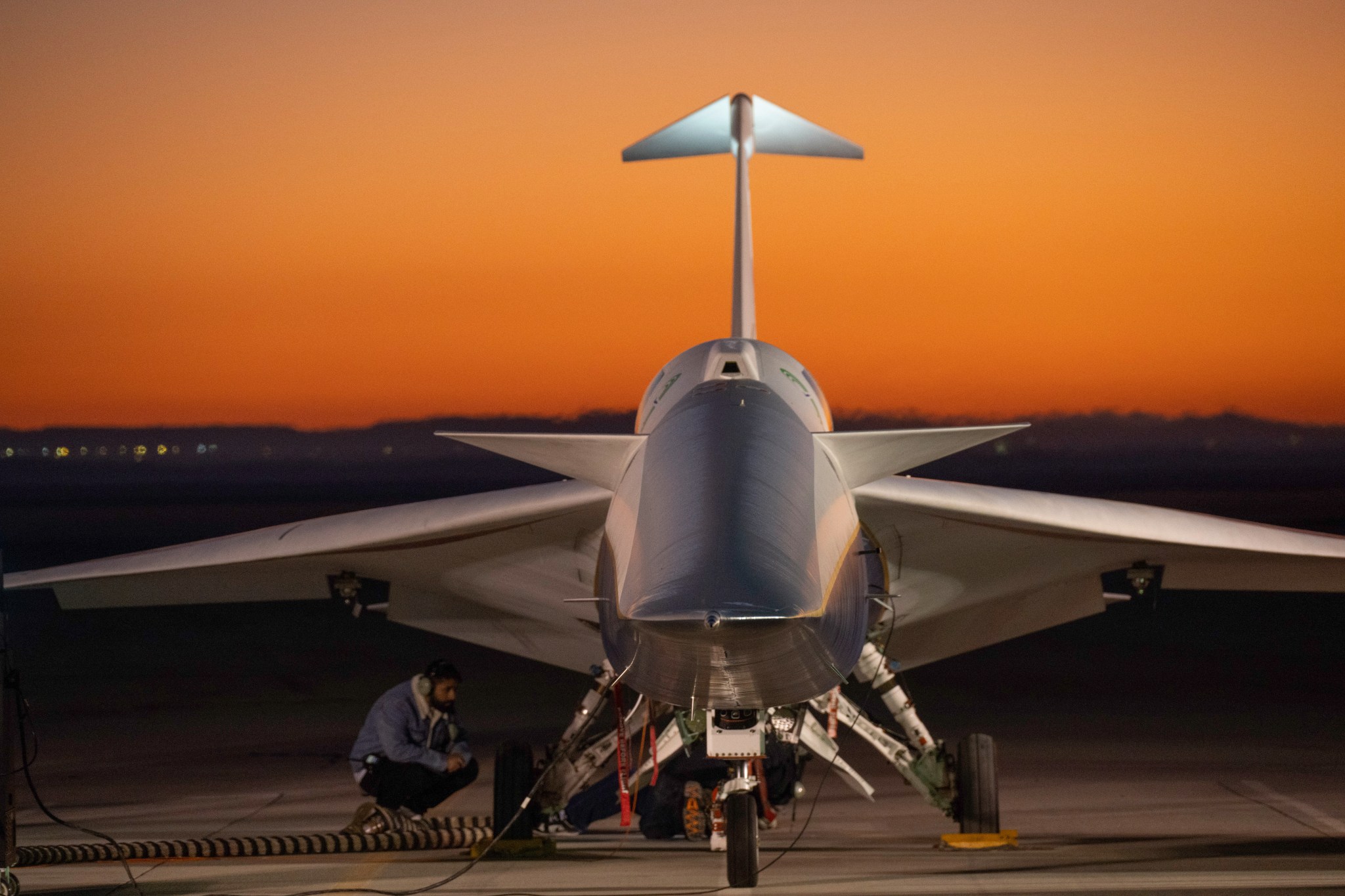
NASA’s X-59 experimental aircraft is preparing for its second flight, a step that will set the pace for more flight testing in 2026. Over the coming months, NASA will take the quiet supersonic jet faster and higher, while validating safety and performance, a process known as envelope expansion. NASA test pilot Jim “Clue” Less will be at the X-59’s […]
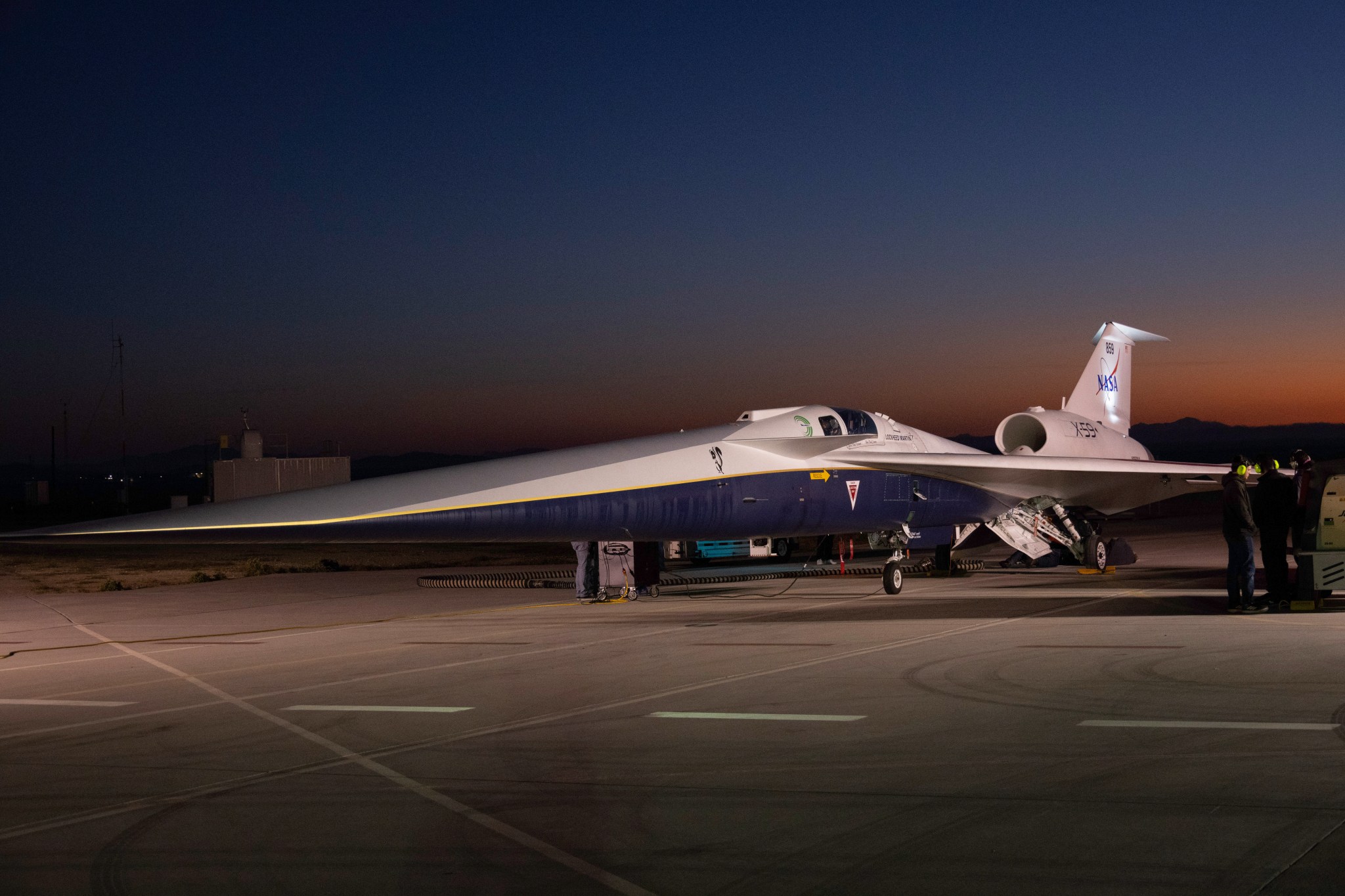
NASA will hold a media teleconference at 5:30 p.m. EDT on Thursday, March 19 to highlight plans for its X-59 quiet supersonic aircraft’s upcoming flight tests. The teleconference is set to take place after the X-59 is scheduled to complete its second flight, in California. For the media call, NASA leadership will join representatives from […]
Editor’s note: This advisory was updated on March 24, 2026, to update the finalists list. NASA has selected seven student teams as finalists in the 2026 Gateways to Blue Skies Competition, giving them the resources to help address a critical challenge for U.S. aviation: aircraft maintenance. Challenges facing the commercial aviation industry include a shortage of qualified maintenance workers and increasing demands to keep complicated aircraft running […]
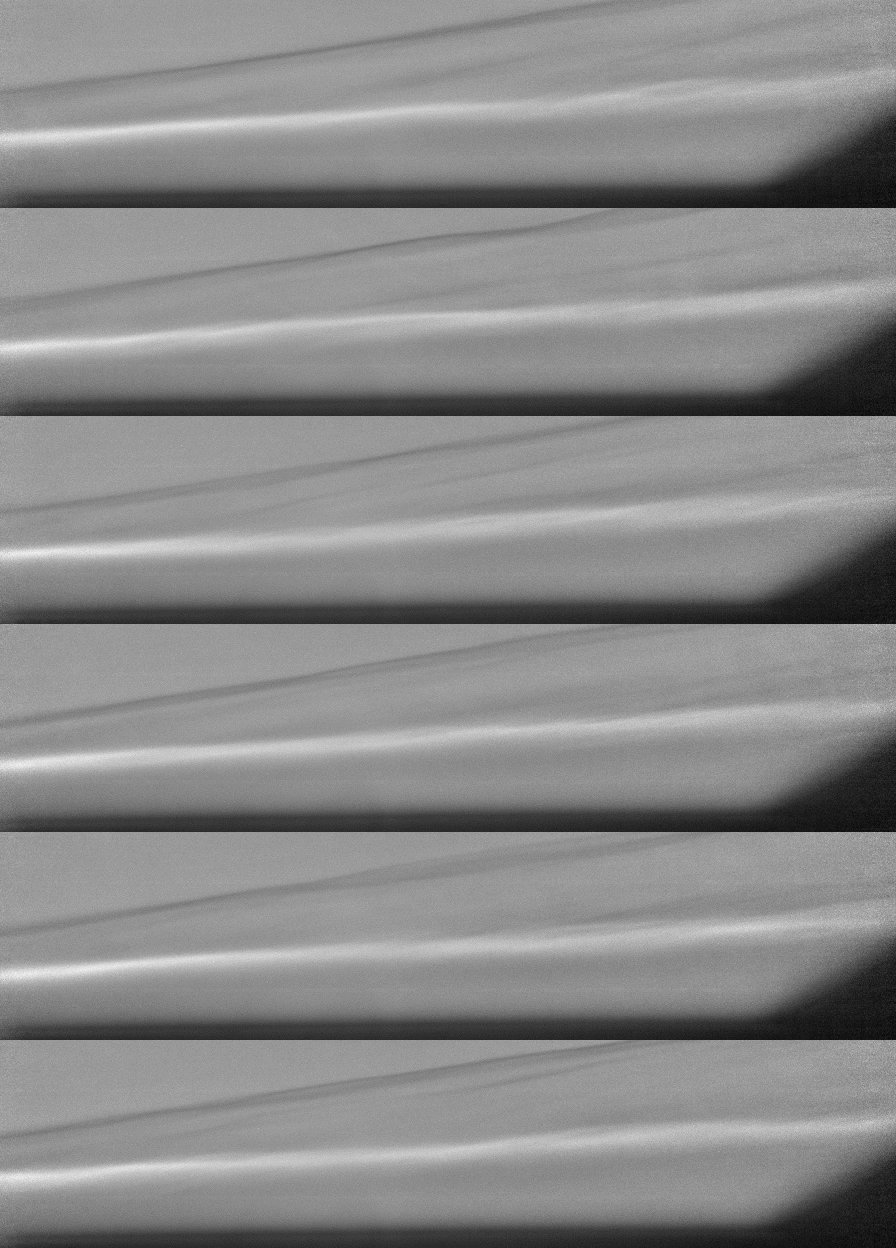
Imagine trying to photograph wind. That’s similar to what NASA engineers dealt with during a recent effort to study how air moves around planes, rockets, and other kinds of aerospace vehicles. Air is invisible, but our understanding of how it flows is crucial for building better, safer aircraft. For 80 years, researchers used a technique […]