A triple star system in which the stars all eclipse one another from our vantage point is standing out as one of the best studied stellar trios.
…
The origin of enigmatic long-period radio bursts has been shown to be from the clash of magnetic fields as a white dwarf steals matter from a close red dwarf star.
…
3D simulations reveal how shockwaves from stellar explosions and winds may carve hub-and-spoke structures in molecular clouds, shaping star formation in the Milky Way.
…
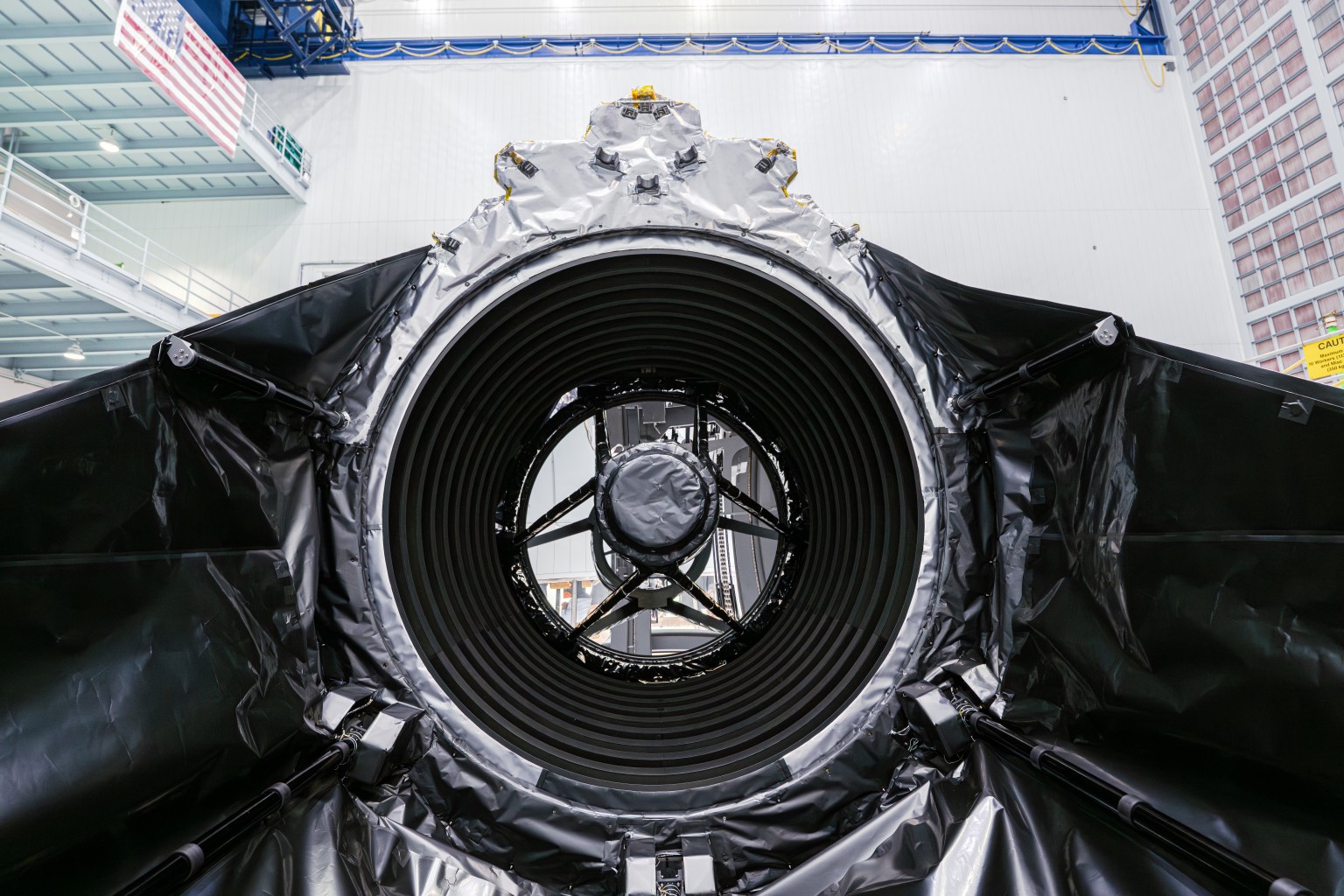
Engineers at NASA’s Goddard Space Flight Center in Greenbelt, Maryland, have completed their final inspection of a key element for the agency’s Nancy Grace Roman Space Telescope: the primary mirror. This 7.9-foot (2.4-meter) mirror will collect and focus light from cosmic objects near and far, helping Roman capture stunning panoramas of space. “The Roman engineering […]
Astronomers have discovered the first evidence that tiny red dwarf stars can devour their own planets.
NASA’s Nancy Grace Roman Space Telescope is poised to make a major leap in the hunt for worlds outside our solar system, known as exoplanets. Scientists expect the mission to reveal around 100,000 worlds — a staggering leap compared to the nearly 6,300 found so far thanks to NASA missions working in tandem with other […]
NASA’s Fermi Gamma-ray spacecraft has observed a super-bright, supercharged supernova explosion powered up by the creation of a highly magnetic dead star, or magnetar.
…

An international team studying data from NASA’s Fermi Gamma-ray Space Telescope concludes the mission detected a rare, unusually luminous supernova. The researchers say it likely received its power-up from a supermagnetized neutron star born in the stellar collapse that triggered the explosion.

The Milky Way’s galactic bulge, the bulbous region that surrounds the galactic center, contains a dense collection of stars, planets, and other free-floating objects. This region has been studied for decades with numerous ground-based and space-based telescopes, including NASA’s Hubble and James Webb space telescopes. Soon, NASA’s Nancy Grace Roman Space Telescope will be the […]
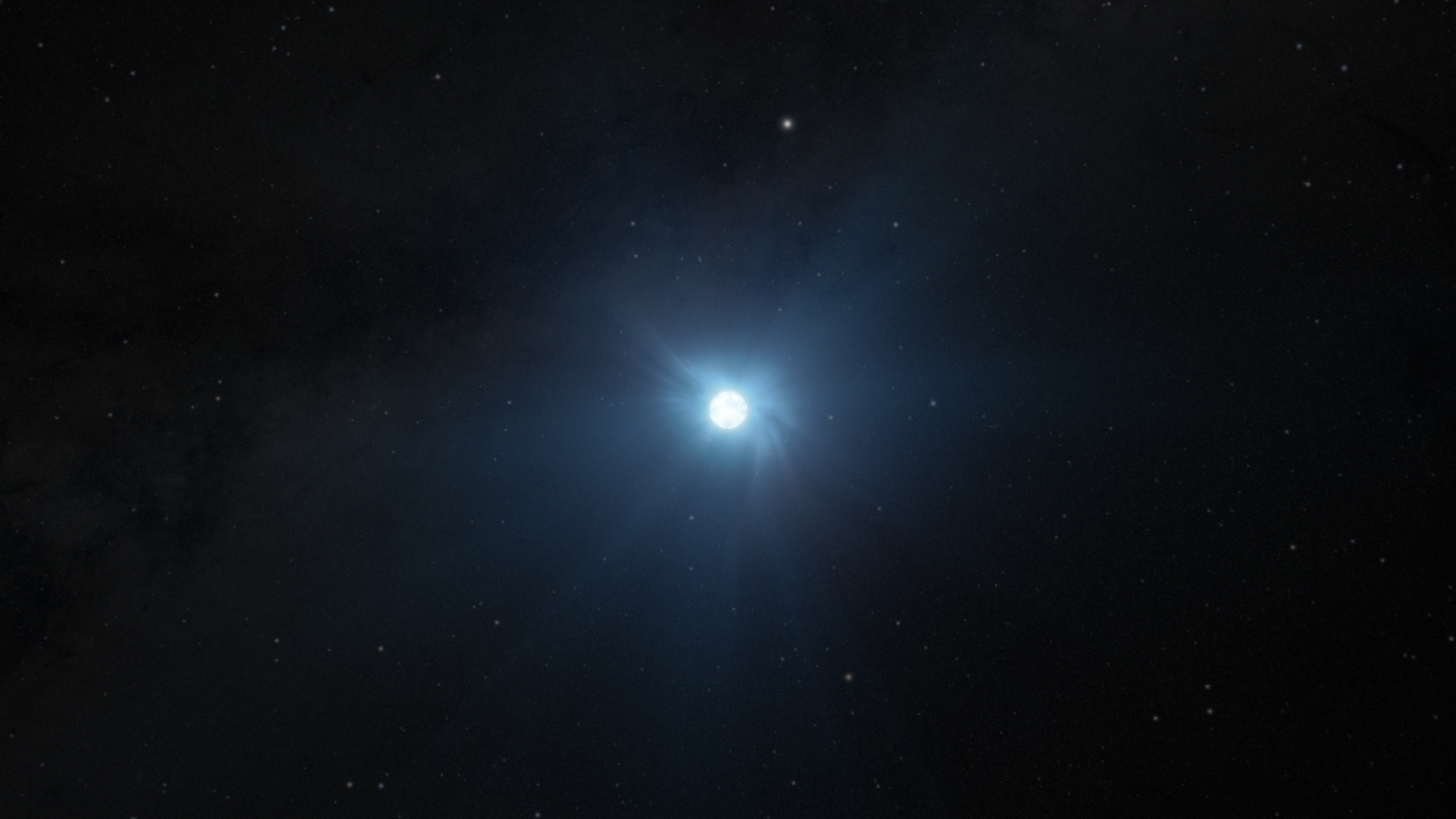
Astronomers have long known that neutron stars, the crushed cores left behind after massive stars explode, should be scattered throughout the Milky Way galaxy. However, most of them are effectively invisible. A new study published in Astronomy and Astrophysics suggests NASA’s upcoming Nancy Grace Roman Space Telescope could spot them anyway. Using detailed simulations of […]