
NASA-supported scientists have provided new information about how the early Earth may have acquired some elements necessary for the planet to become habitable. They also suggest a new role for Jupiter in the distribution of these elements throughout the young solar system. The study, published today in Science Advances, examines this history by looking at […]

NASA-funded scientists have discovered that life on Earth over 3 billion years ago relied on the metal molybdenum, which was incredibly scarce in the environment at the time. The study, published in Nature Communications on Tuesday, is the first to show that molybdenum was used by ancient life this far back in our planet’s history. […]
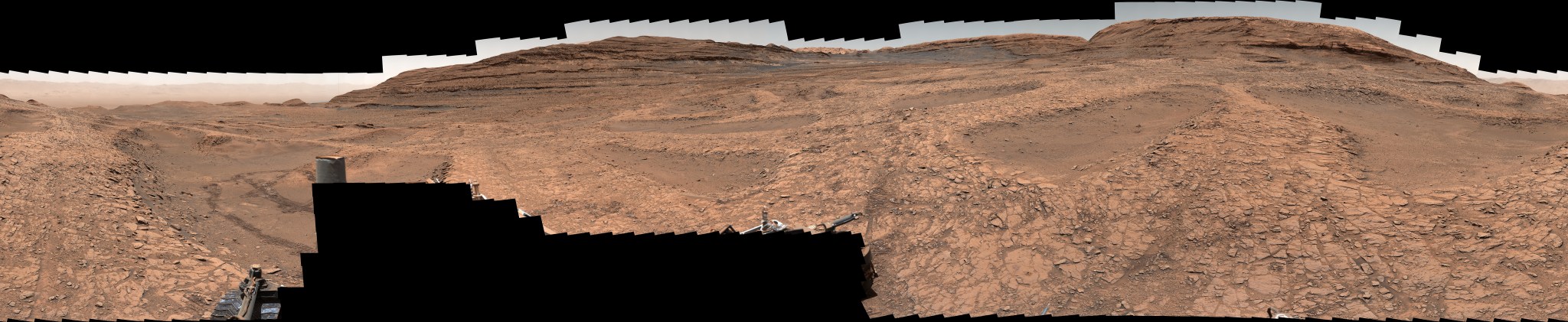
NASA’s Curiosity and Perseverance rovers have captured two 360-degree landscapes that highlight how the missions are revealing details of the Red Planet’s formation, watery past, and potential for life. Located 2,345 miles (3,775 kilometers) apart from each other on Mars — about the distance from Los Angeles to Washington, D.C. — both rovers are exploring […]
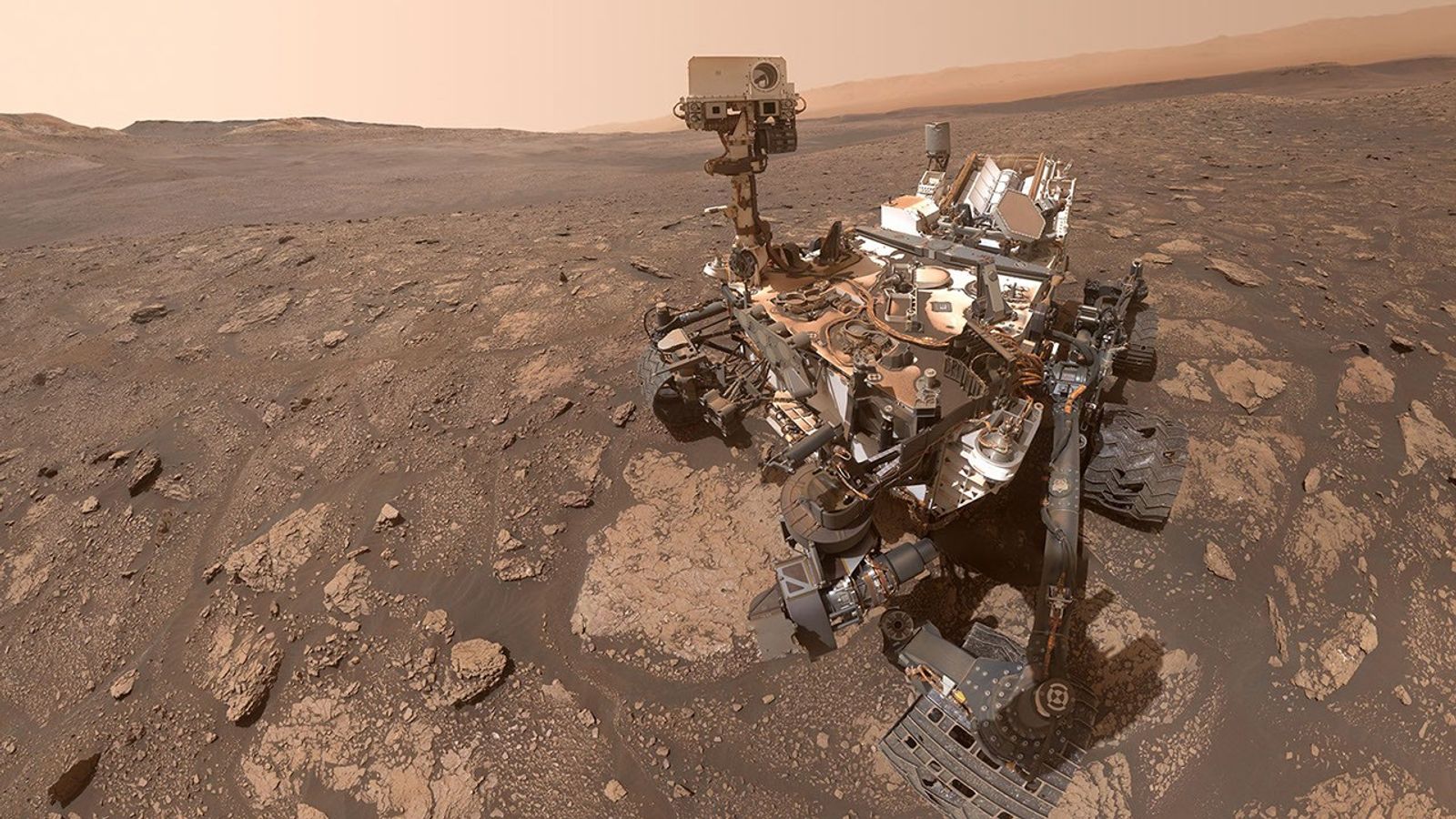
After years of lab work, the results are in: A rock that NASA’s Curiosity Mars rover drilled and analyzed in 2020 includes the most diverse collection of organic molecules ever found on the Red Planet. Of the 21 carbon-containing molecules identified in the sample, seven of them were detected for the first time on Mars. […]

A team of NASA researchers is developing new types of optical masks that could help enable the many orders of magnitude of starlight suppression needed for future space observatories to pick out very faint habitable exoplanets from the far brighter glare of their stellar hosts.
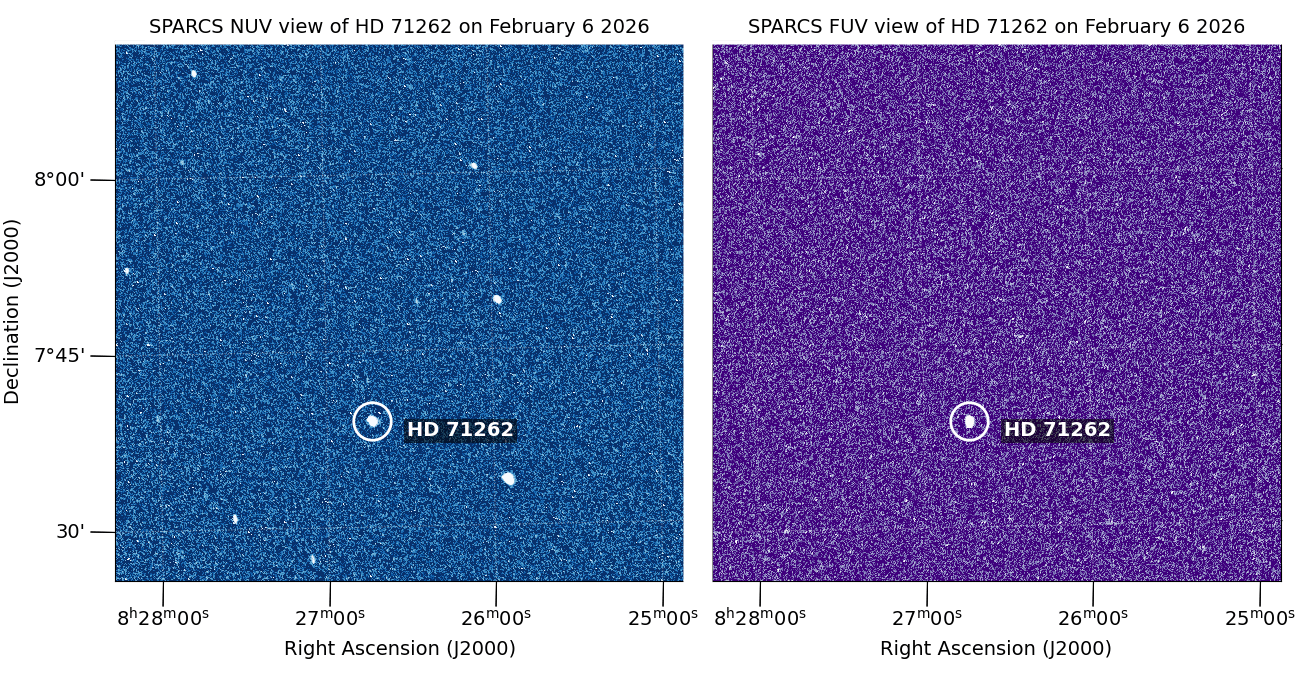
With the first images from the spacecraft now in hand, the team behind NASA’s Star-Planet Activity Research CubeSat, or SPARCS, is ready to begin charting the energetic lives of the galaxy’s most common stars to help answer one of humanity’s most profound questions: Which distant worlds beyond our solar system might be habitable? Initial, or […]

Lake Unter-See in Antarctica, sealed beneath thick ice, contains unusually high levels of dissolved oxygen and cone-shaped microbial reefs resembling some of Earth’s oldest fossils.

NASA-supported scientists have resurrected an enzyme first used by organisms on Earth 3.2-billion years ago and, in the process, have validated a chemical biosignature in rocks that is used to understand ancient life on Earth. The research provides a new understanding of what Earth’s biosphere was like early in our planet’s history and confirms a […]
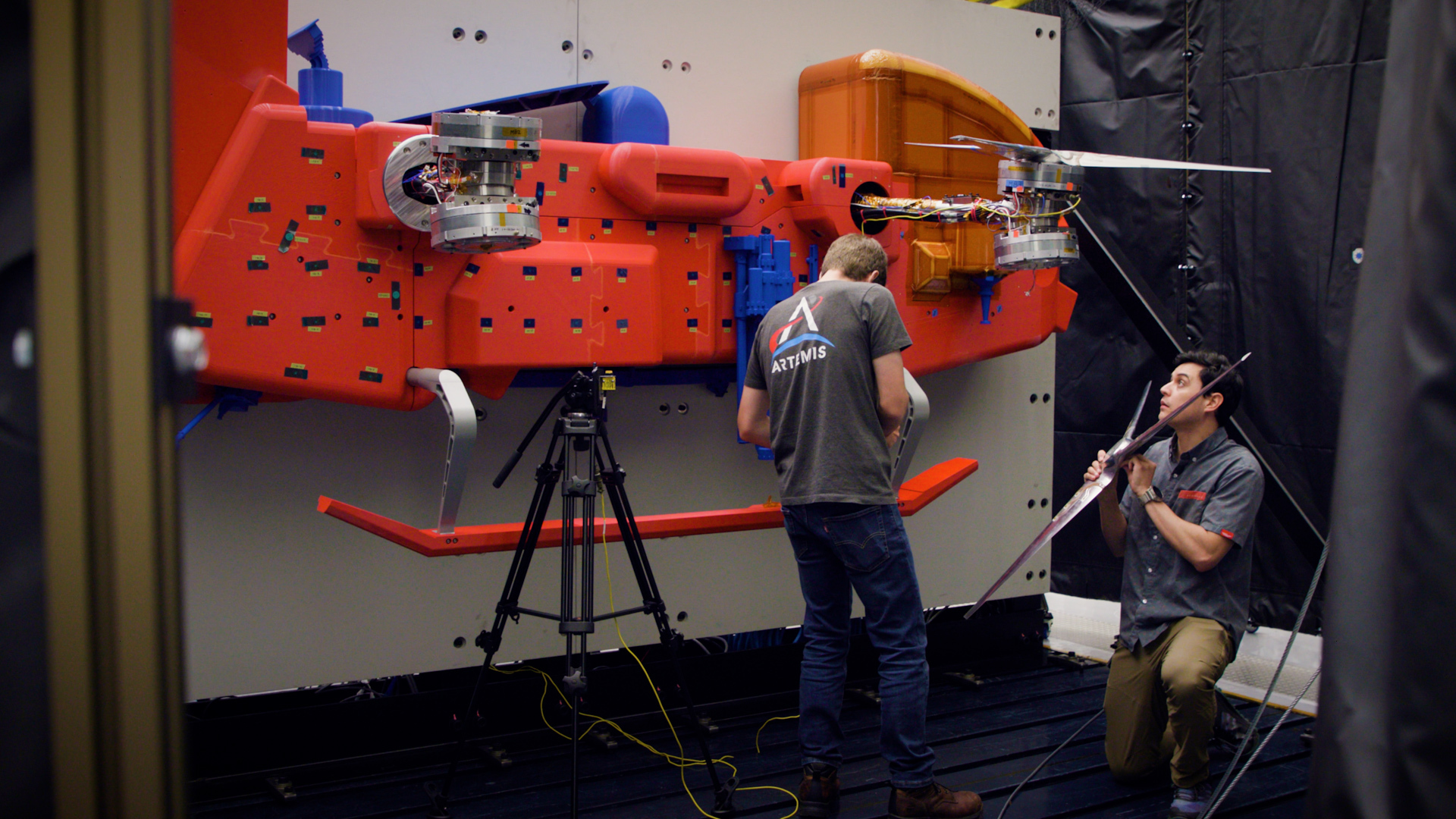
In sending a car-sized rotorcraft to explore Saturn’s moon Titan, NASA’s Dragonfly mission will undertake an unprecedented voyage of scientific discovery. And the work to ensure that this first-of-its-kind project can fulfill its ambitious exploration vision is underway in some of the nation’s most advanced space simulation and testing laboratories. Set for launch in in […]