
Venus and Jupiter meet after sunset, the Moon passes in front of Venus, summer begins, and deep-sky treasures rise into view.
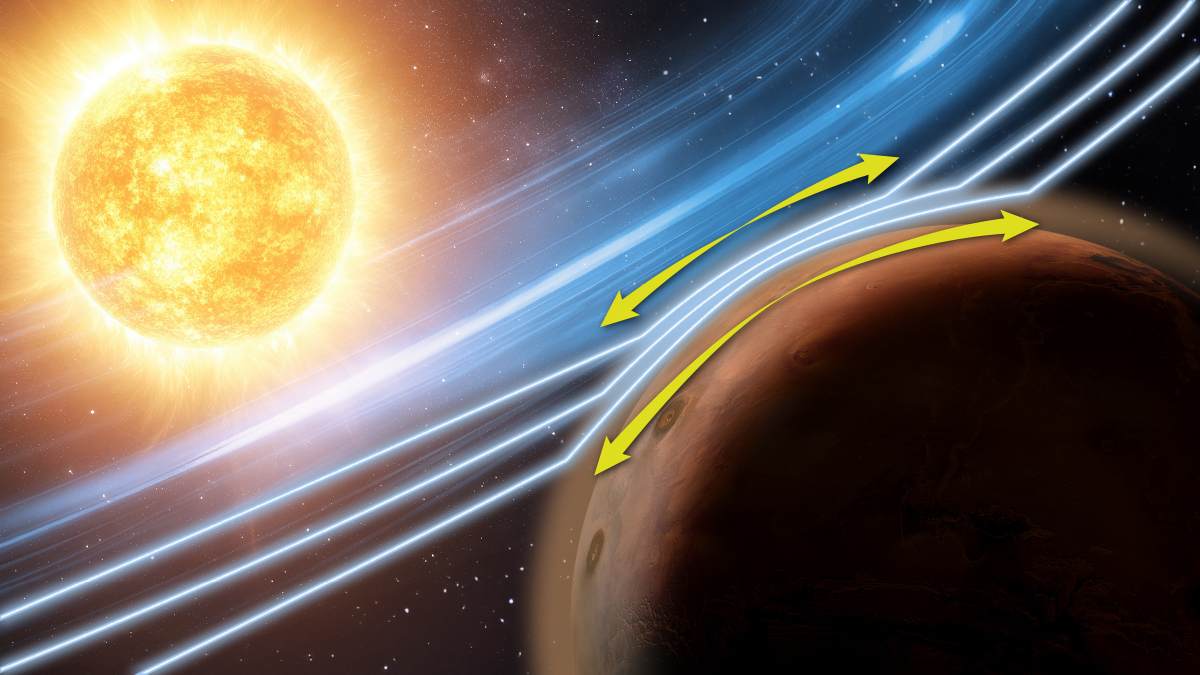
In December 2023, scientists looking at Mars data stumbled across something completely unexpected — observations of an atmospheric effect never before seen in the Red Planet’s atmosphere. Using instruments aboard NASA’s MAVEN (Mars Atmosphere and Volatile Evolution) mission, scientists identified a phenomenon known to occur in Earth’s magnetosphere, where charged particles are squeezed like toothpaste […]

Shooting stars before dawn, a brilliant meetup between the Moon and Venus and a rare blue moon to end the month.
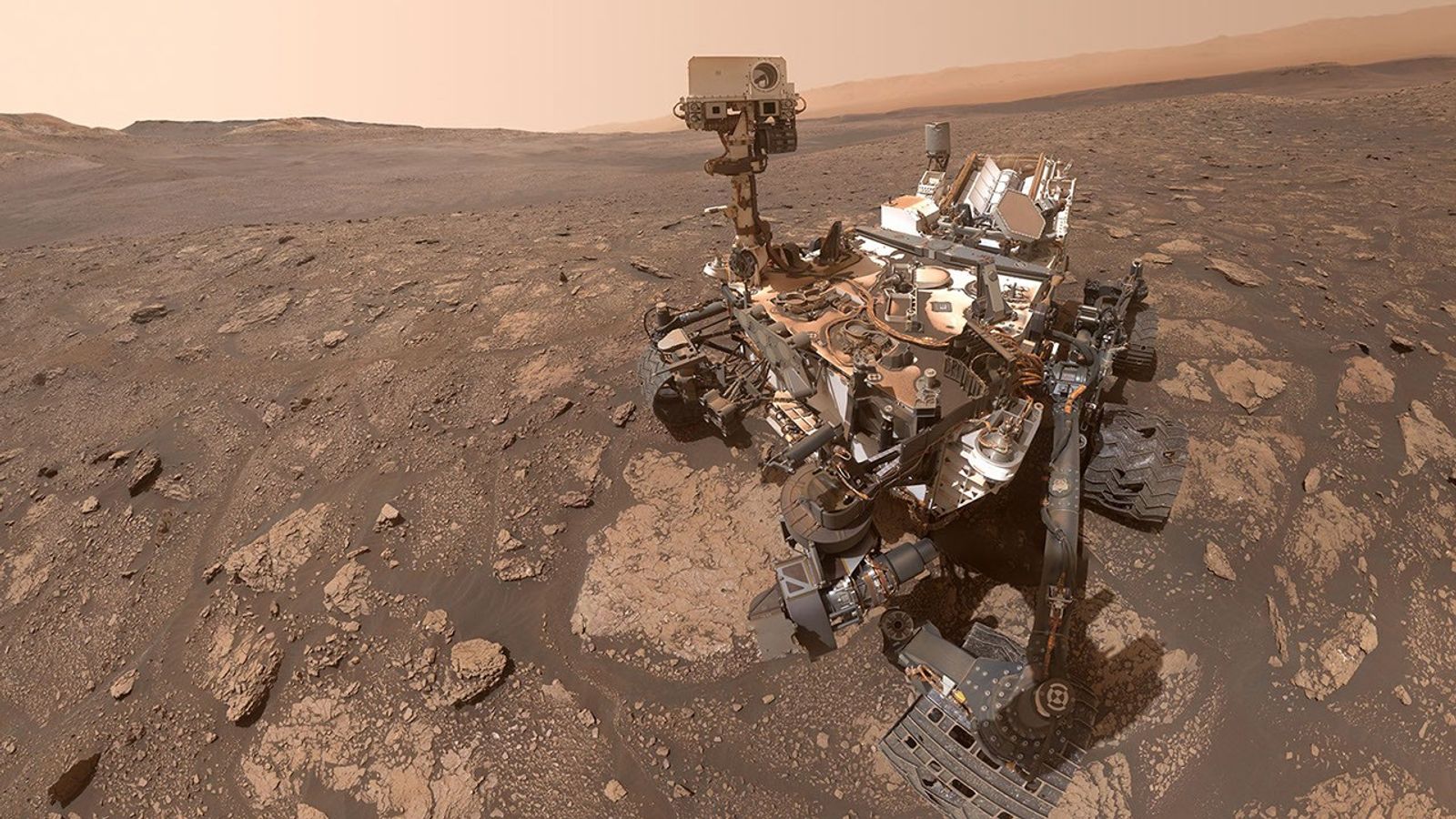
After years of lab work, the results are in: A rock that NASA’s Curiosity Mars rover drilled and analyzed in 2020 includes the most diverse collection of organic molecules ever found on the Red Planet. Of the 21 carbon-containing molecules identified in the sample, seven of them were detected for the first time on Mars. […]

Mercury shines at its brightest for the year, the Lyrid meteor shower peaks, and a bright new comet makes an appearance in April’s night sky.
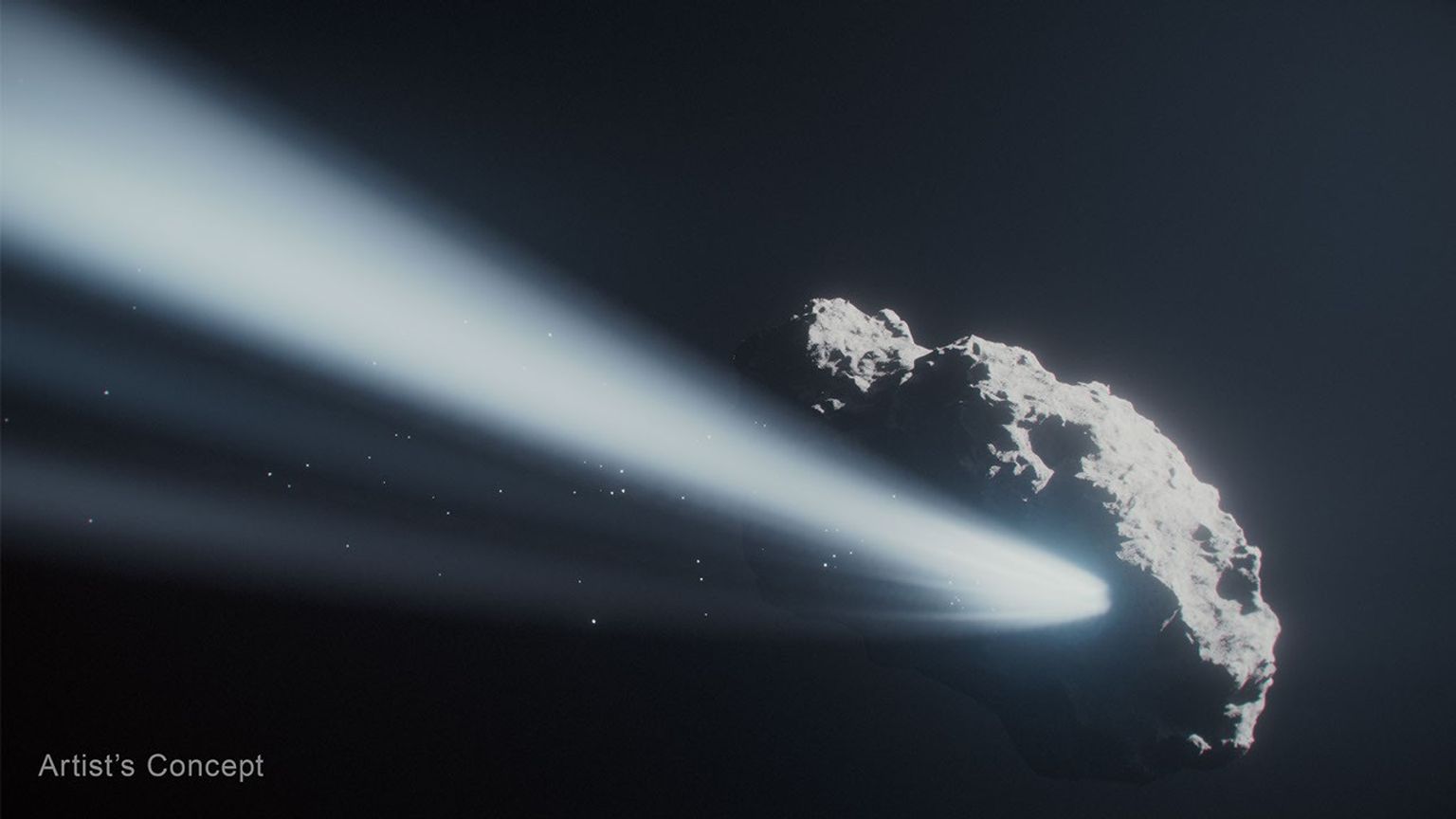
Astronomers using NASA’s Hubble Space Telescope have found evidence that the spinning of a small comet slowed and then reversed its direction of rotation, offering a dramatic example of how volatile activity can affect the spin and physical evolution of small bodies in the solar system. This is the first time researchers have observed evidence […]

NASA’s James Webb Space Telescope and Hubble Space Telescope have teamed up to capture new views of Saturn, revealing the planet in strikingly different ways. Observing in complementary wavelengths of light, the two space observatories provide scientists with a richer, more layered understanding of the gas giant’s atmosphere. Both sense sunlight reflected from Saturn’s banded […]

In a happy twist of fate, NASA’s Hubble Space Telescope just witnessed a comet in the act of breaking apart. The chance of that happening while Hubble watched is extraordinarily minuscule. The findings published Wednesday in the journal Icarus. The comet K1, whose full name is C/2025 K1 (ATLAS)—not to be confused with interstellar comet […]

What are some skywatching highlights in March 2026? A total lunar eclipse blood moon takes centre stage, Venus and Saturn cozy up for a conjunction, and we celebrate the vernal equinox.
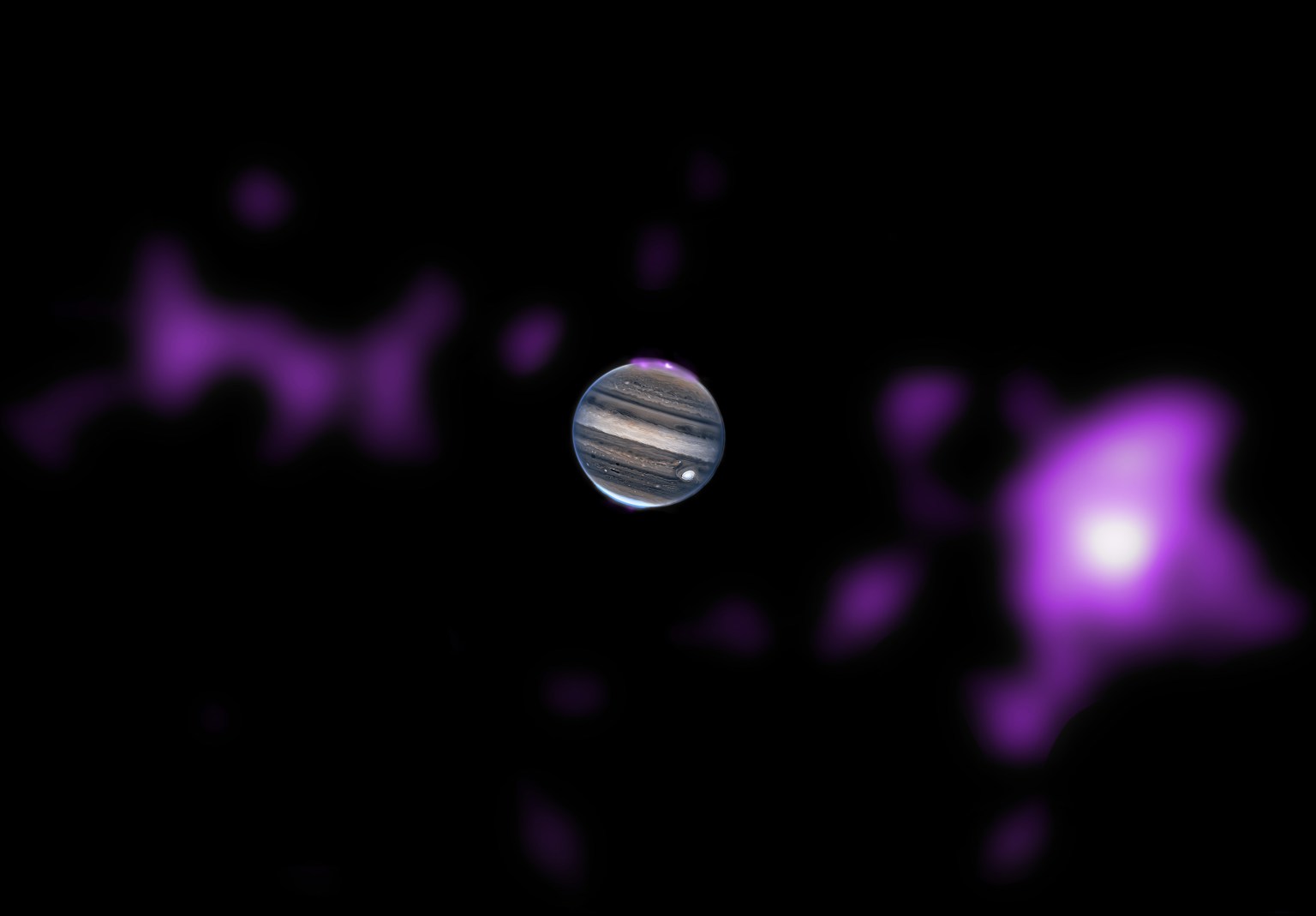
In late February, people in the Northern Hemisphere can look up for a special sight : Six planets will all be visible from clear and dark night skies. New sonifications from NASA’s Chandra X-ray Observatory released [day of week] will help commemorate this latest “planetary parade.” Because the planets in our solar system travel around […]