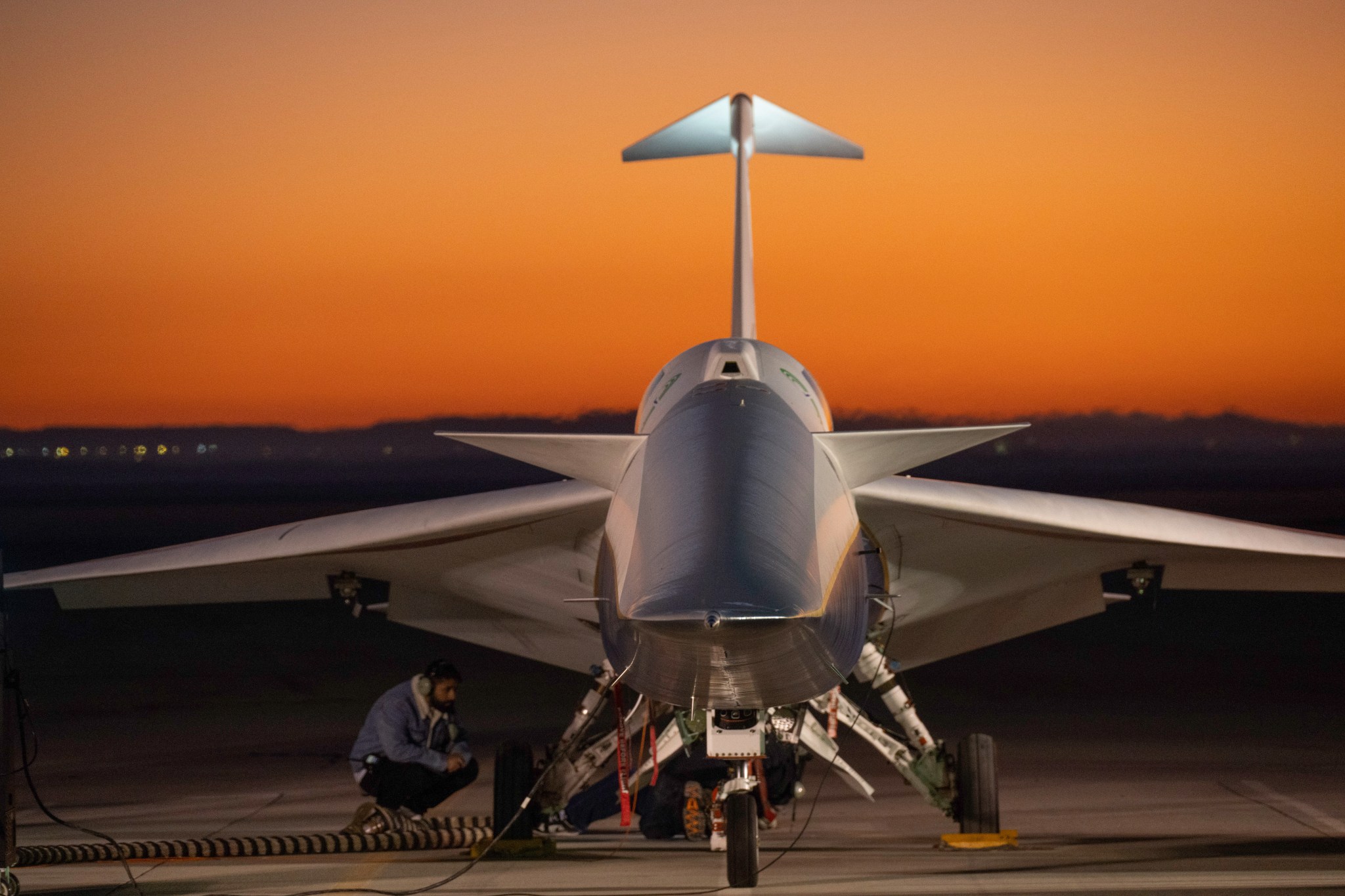
NASA’s X-59 experimental aircraft is preparing for its second flight, a step that will set the pace for more flight testing in 2026. Over the coming months, NASA will take the quiet supersonic jet faster and higher, while validating safety and performance, a process known as envelope expansion. NASA test pilot Jim “Clue” Less will be at the X-59’s […]
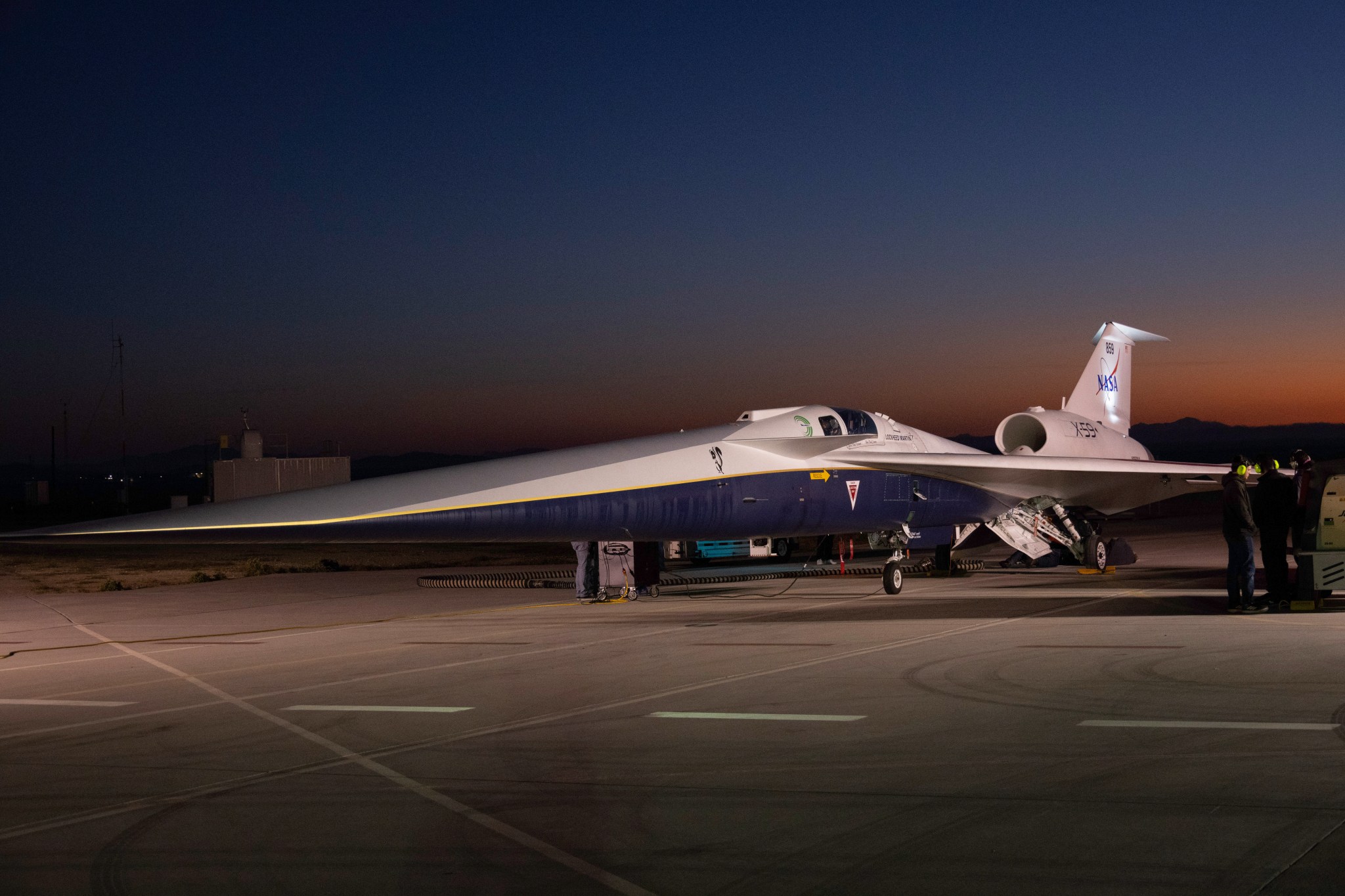
NASA will hold a media teleconference at 5:30 p.m. EDT on Thursday, March 19 to highlight plans for its X-59 quiet supersonic aircraft’s upcoming flight tests. The teleconference is set to take place after the X-59 is scheduled to complete its second flight, in California. For the media call, NASA leadership will join representatives from […]
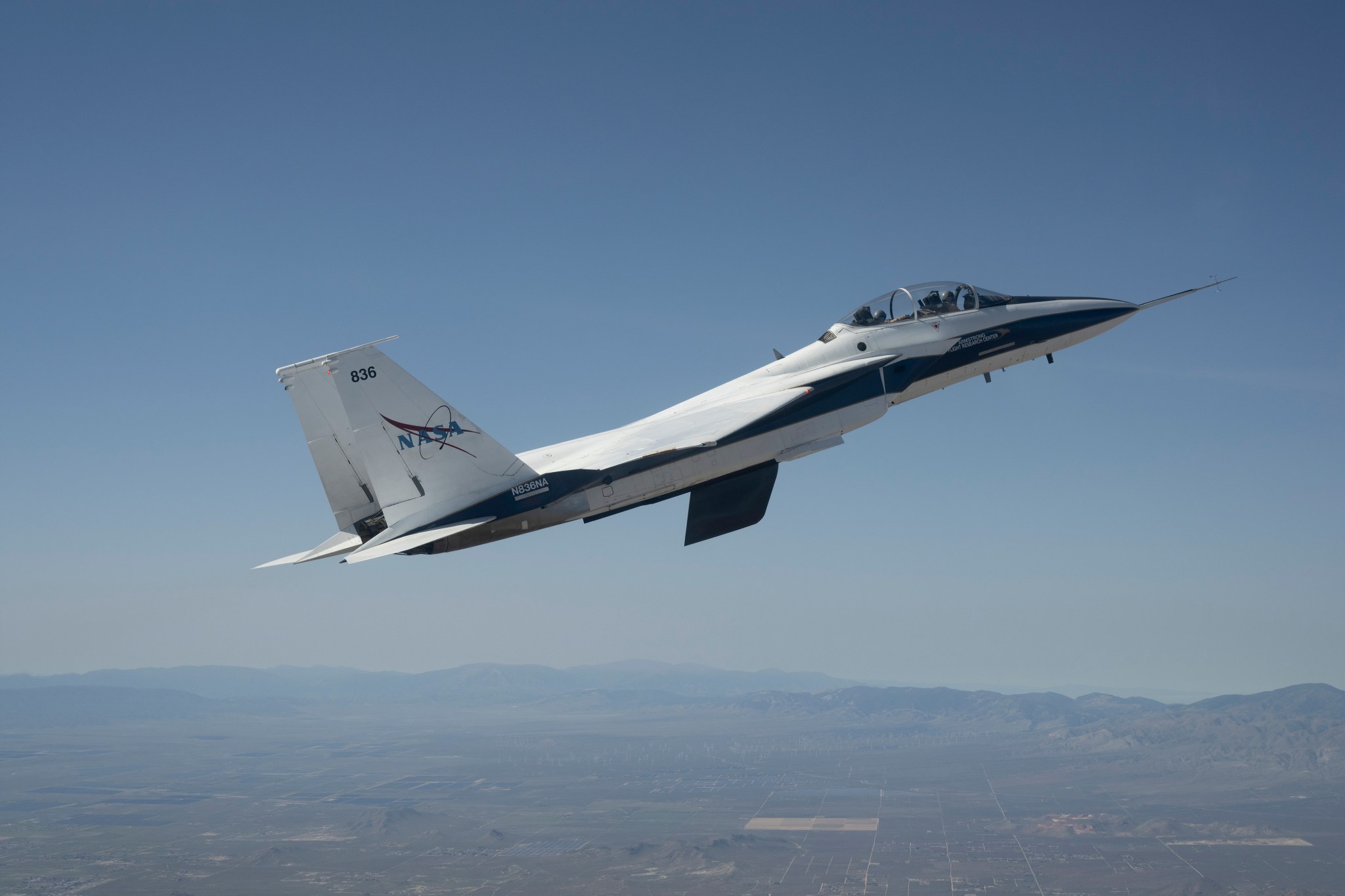
NASA completed the first flight test of a scale-model wing designed to improve laminar flow, reducing drag and lowering fuel costs for future commercial aircraft. The flight took place Jan. 29 at NASA’s Armstrong Flight Research Center in Edwards, California, using one of the agency’s F-15B research jets. The NASA-designed, 40-inch Crossflow Attenuated Natural Laminar Flow (CATNLF) wing model was attached to the aircraft’s underside vertically, like a fin. The flight lasted about 75 minutes, during […]
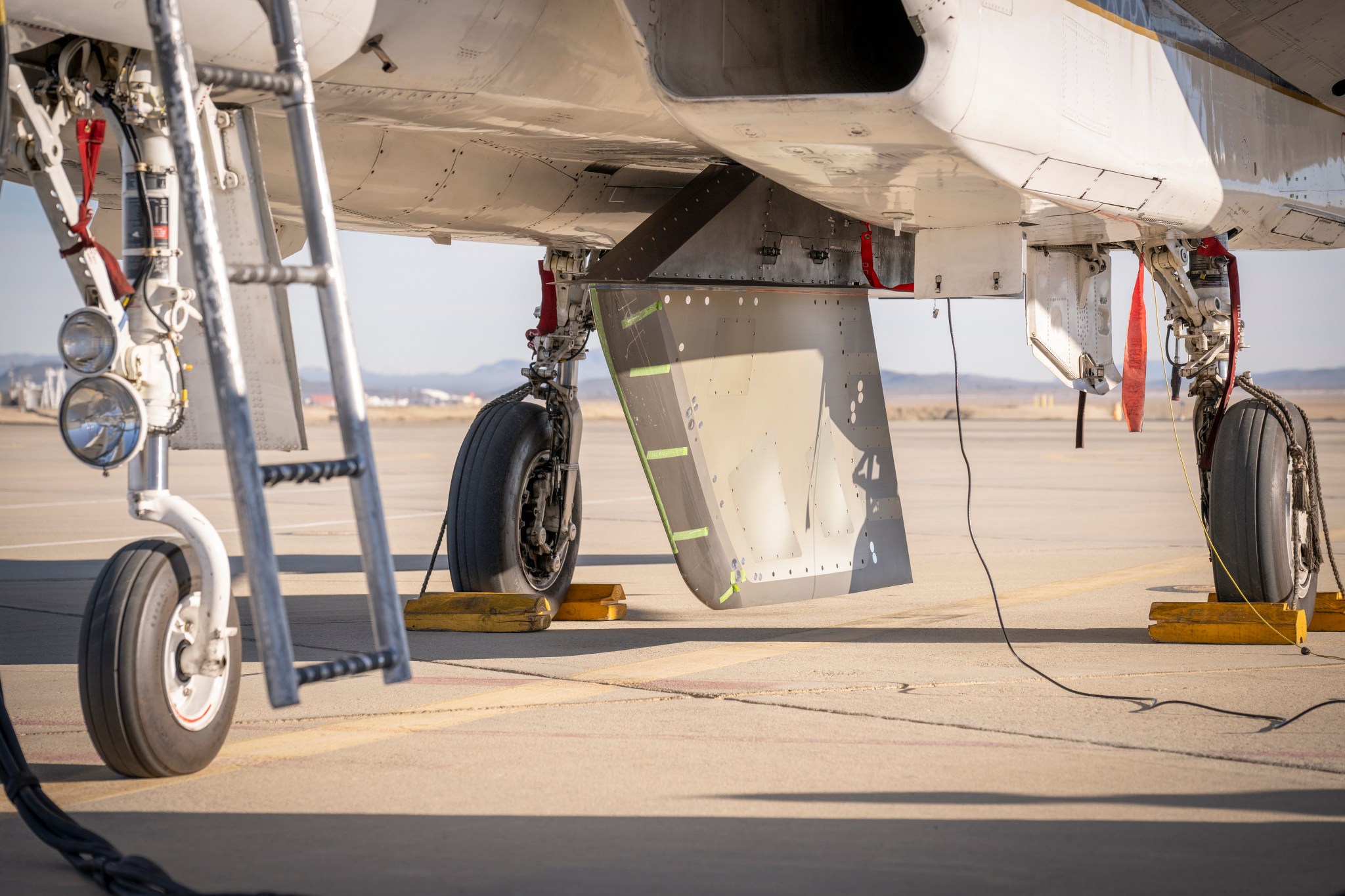
NASA researchers have successfully completed a high-speed taxi test of a scale model of a design that could make future aircraft more efficient by improving how air flows across a wing’s surface, saving fuel and money. On Jan. 12, the Crossflow Attenuated Natural Laminar Flow (CATNLF) test article reached speeds of approximately 144 mph, marking […]
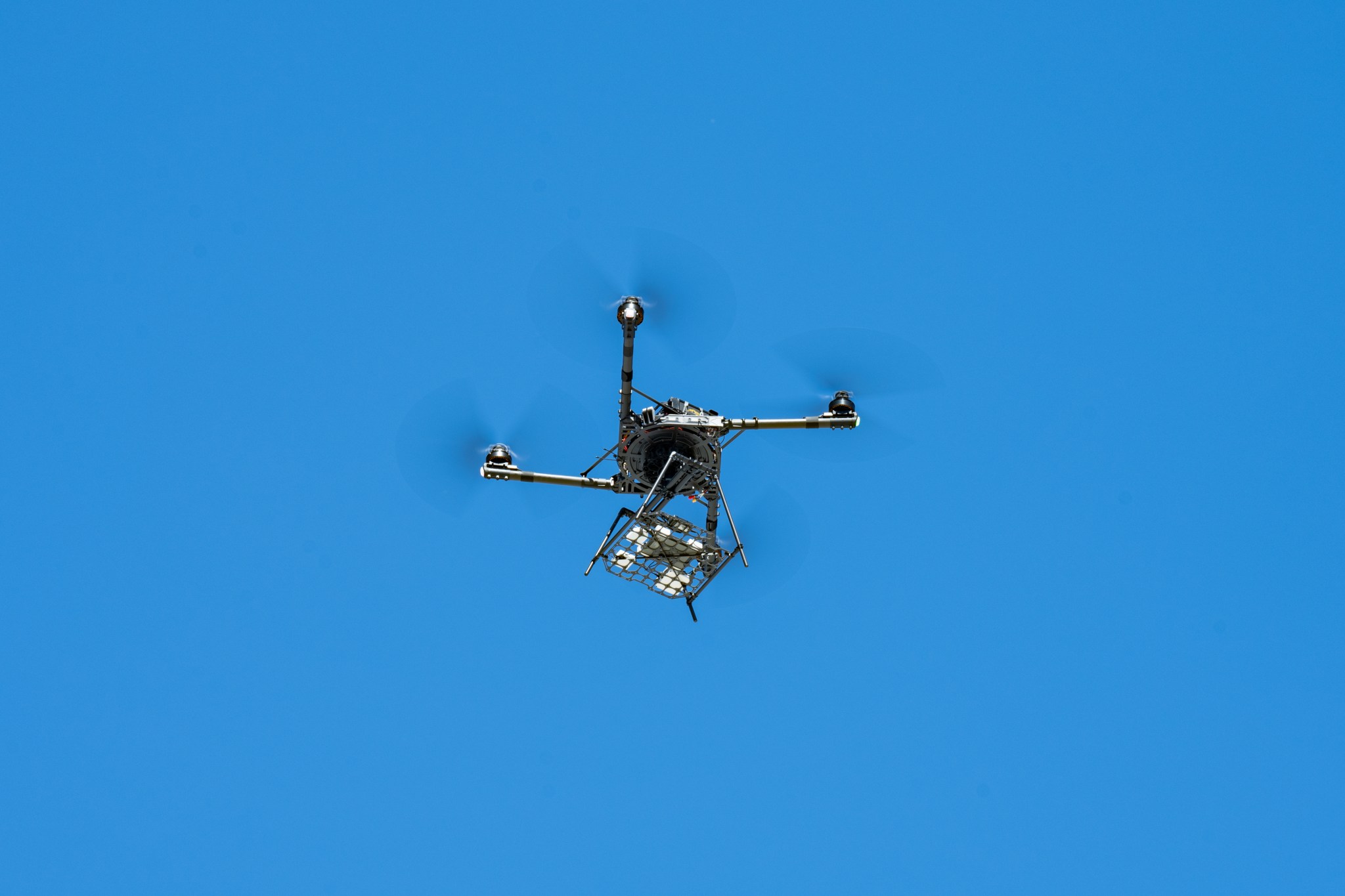
Through a drone flight test at NASA’s Ames Research Center, researchers tested a blockchain-based system for protecting flight data. The system aims to keep air traffic management safe from disruption and protect data transferred between aircraft and ground stations from being intercepted or manipulated.