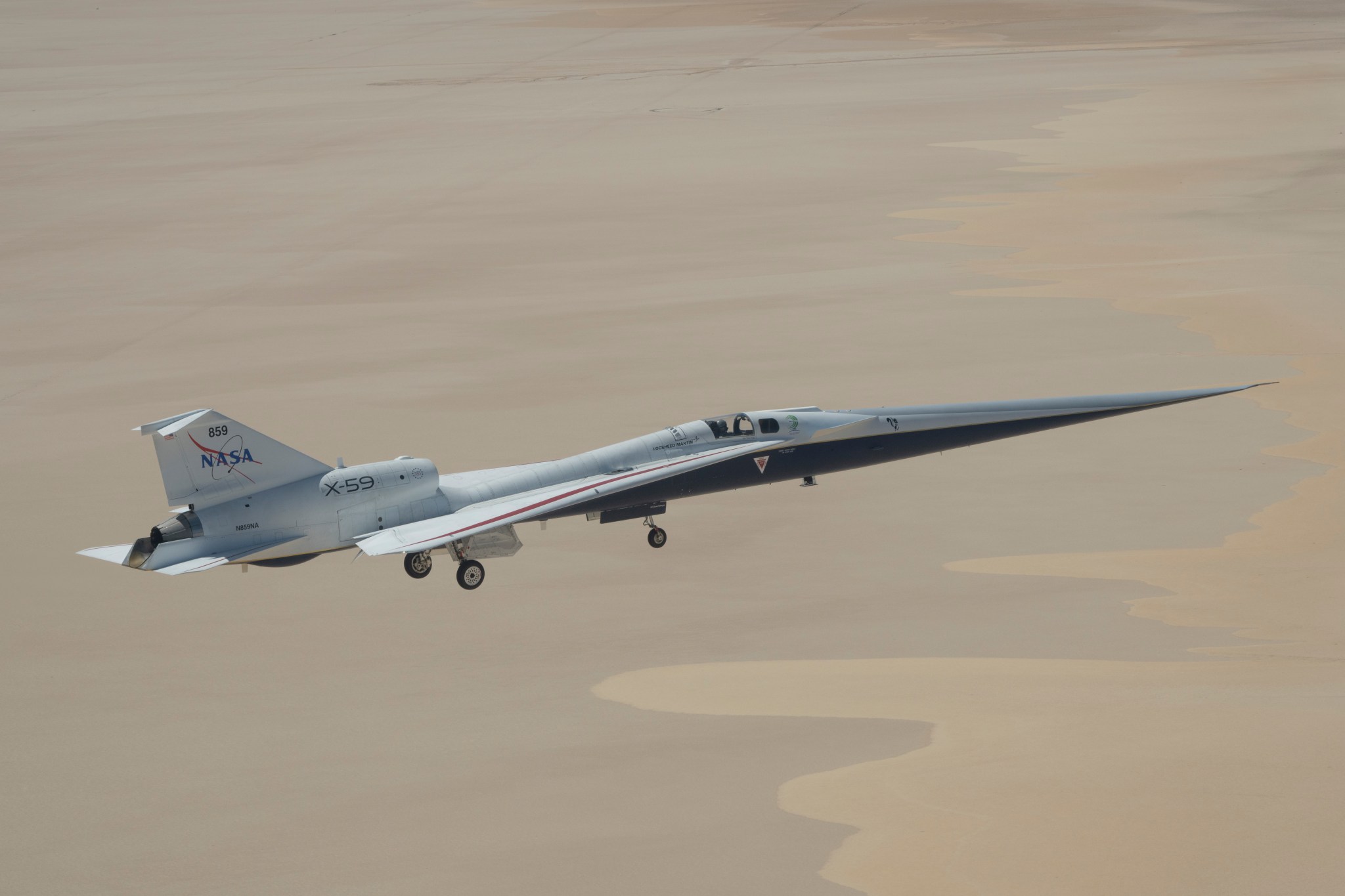
NASA’s X-59 quiet supersonic research aircraft is preparing for some of its most significant flights yet. The X-plane is about to begin a new block of test flights that will include its first time flying faster than the speed of sound and other mission-critical objectives. “What comes next is the first time this one-of-a-kind aircraft […]
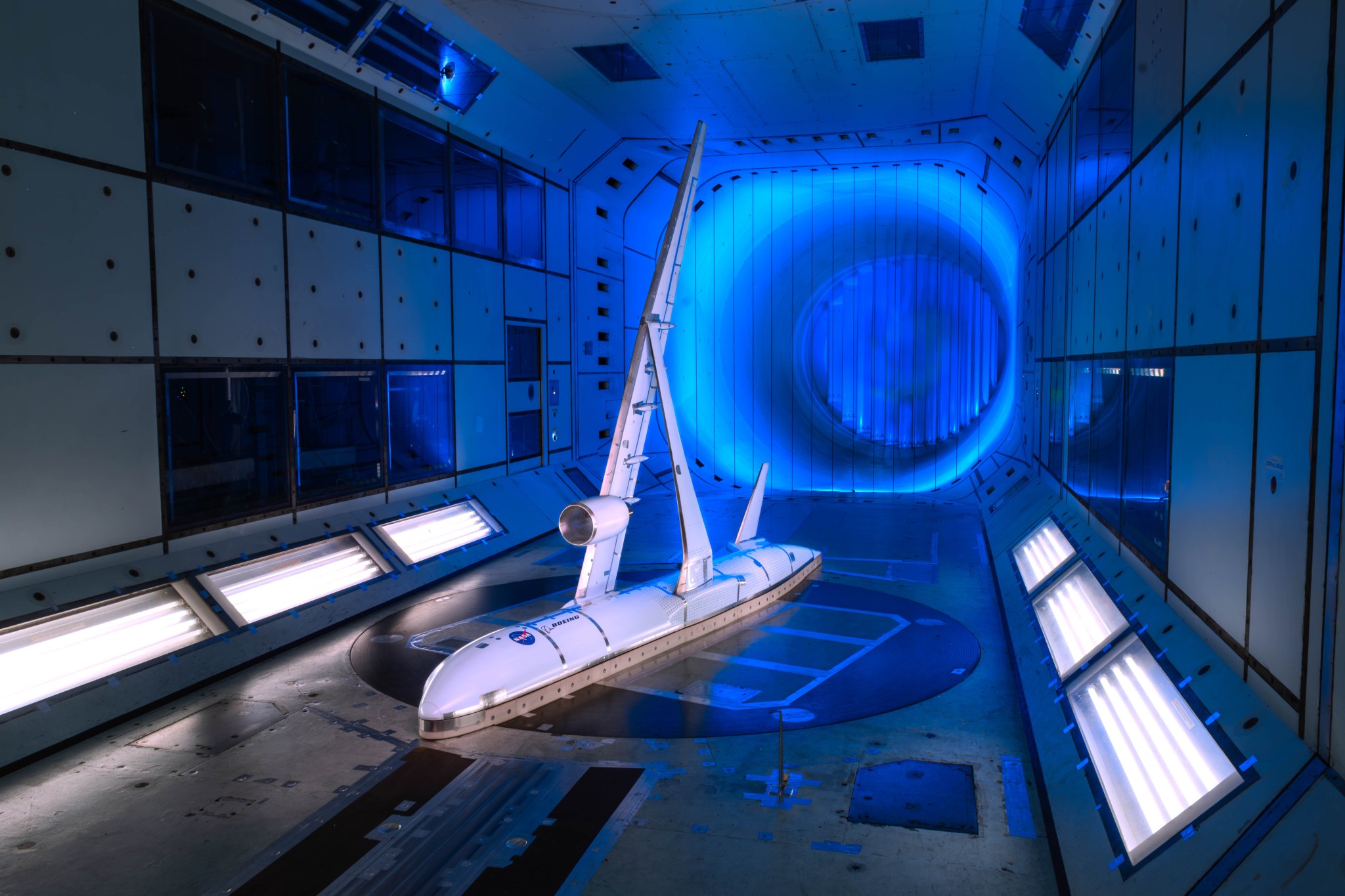
NASA and Boeing have completed wind tunnel testing to study an innovative advanced aircraft design intended to improve aerodynamic efficiency. A truss-braced wing configuration, involving a long, thin wing with aerodynamically shaped structural supports, has the potential to reduce fuel and operational costs for future airliners, which is why NASA has collaborated with Boeing to […]
For years, NASA engineers have turned to a tool called the Launch, Ascent, and Vehicle Aerodynamics (LAVA) framework to solve airflow challenges that could mean the difference between mission success or failure. When engineers need to know how a spacecraft will navigate re-entry or whether a new aircraft wing design will create enough lift, they […]
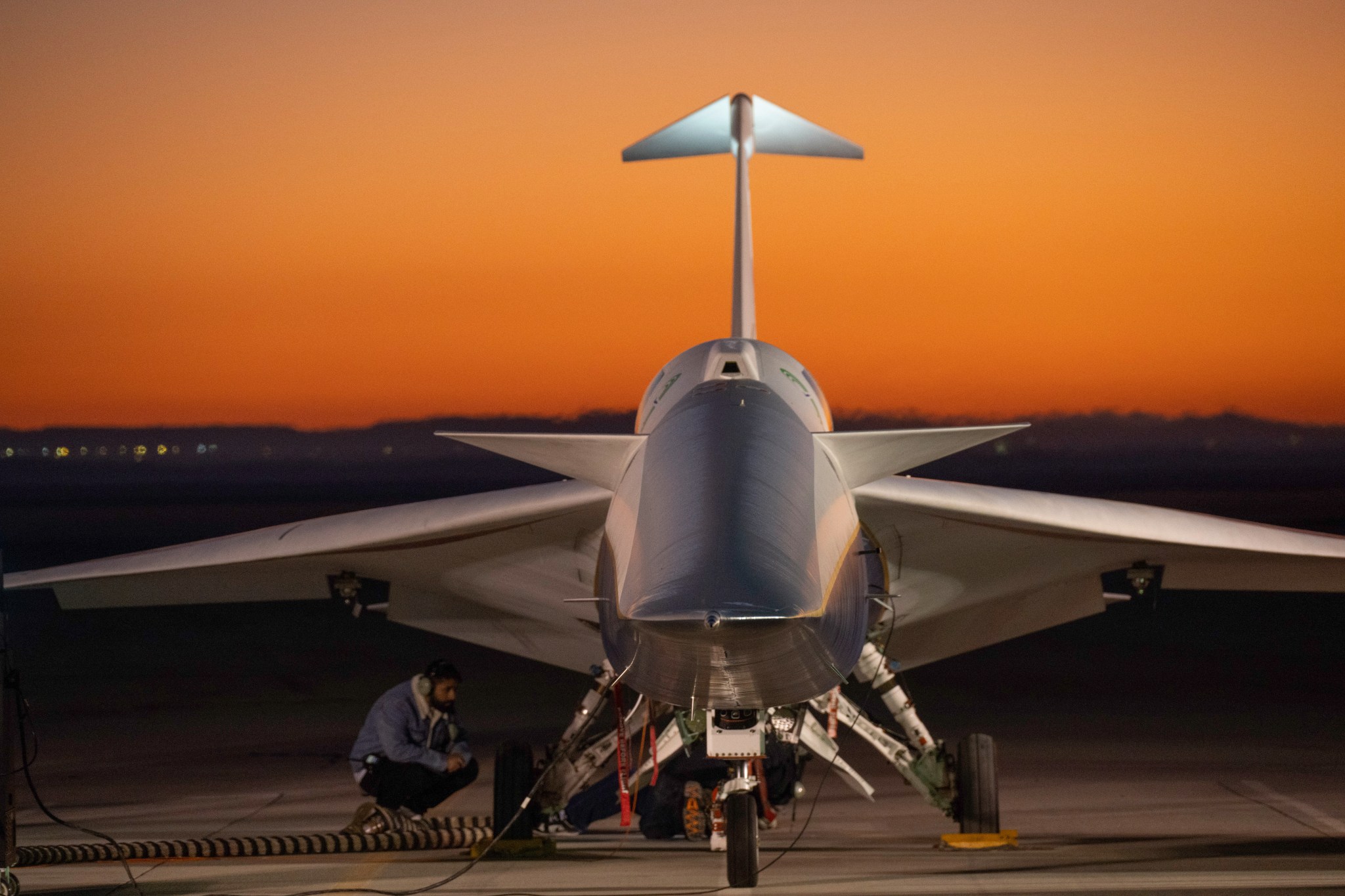
NASA’s X-59 experimental aircraft is preparing for its second flight, a step that will set the pace for more flight testing in 2026. Over the coming months, NASA will take the quiet supersonic jet faster and higher, while validating safety and performance, a process known as envelope expansion. NASA test pilot Jim “Clue” Less will be at the X-59’s […]
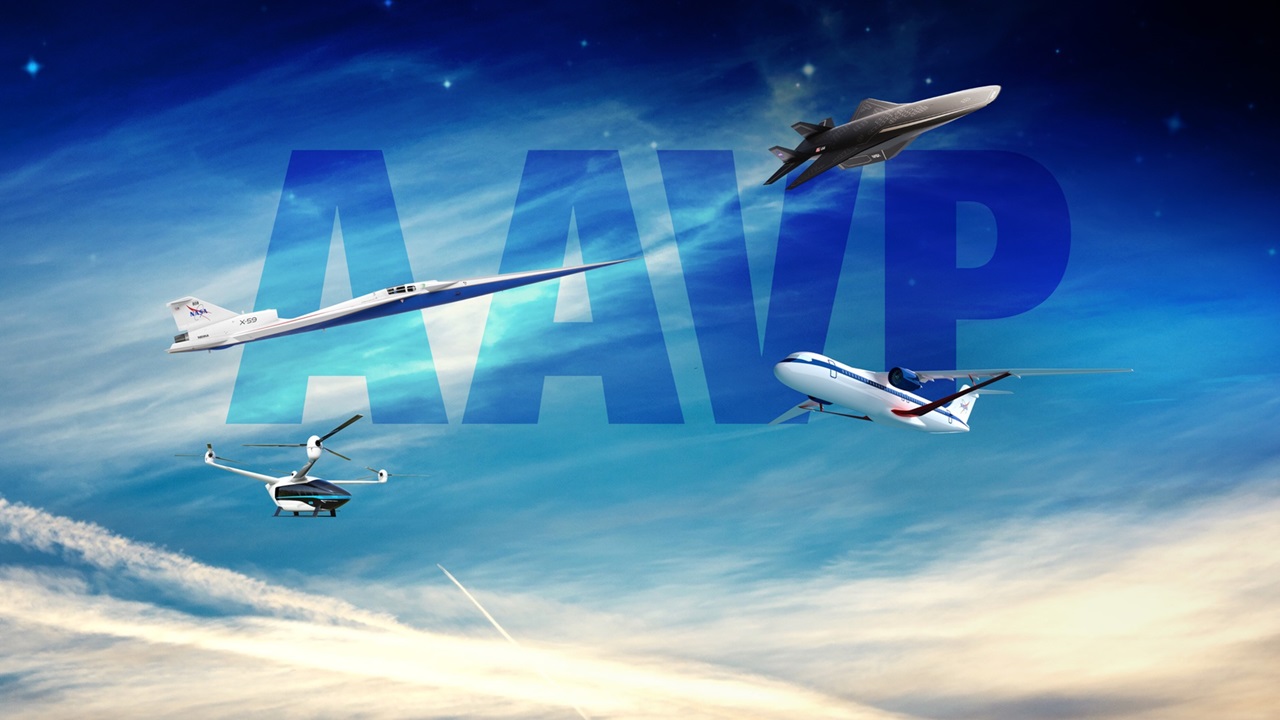
NASA’s Advanced Air Vehicles Program (AAVP) studies, evaluates, and develops technologies and capabilities for new aircraft systems and explores far-future concepts for revolutionary air travel improvements. AAVP develops technologies for all flight regimes from hover to hypersonic to enable safe, new aircraft that are faster, quieter, and more fuel efficient. AAVP develops a broad range […]
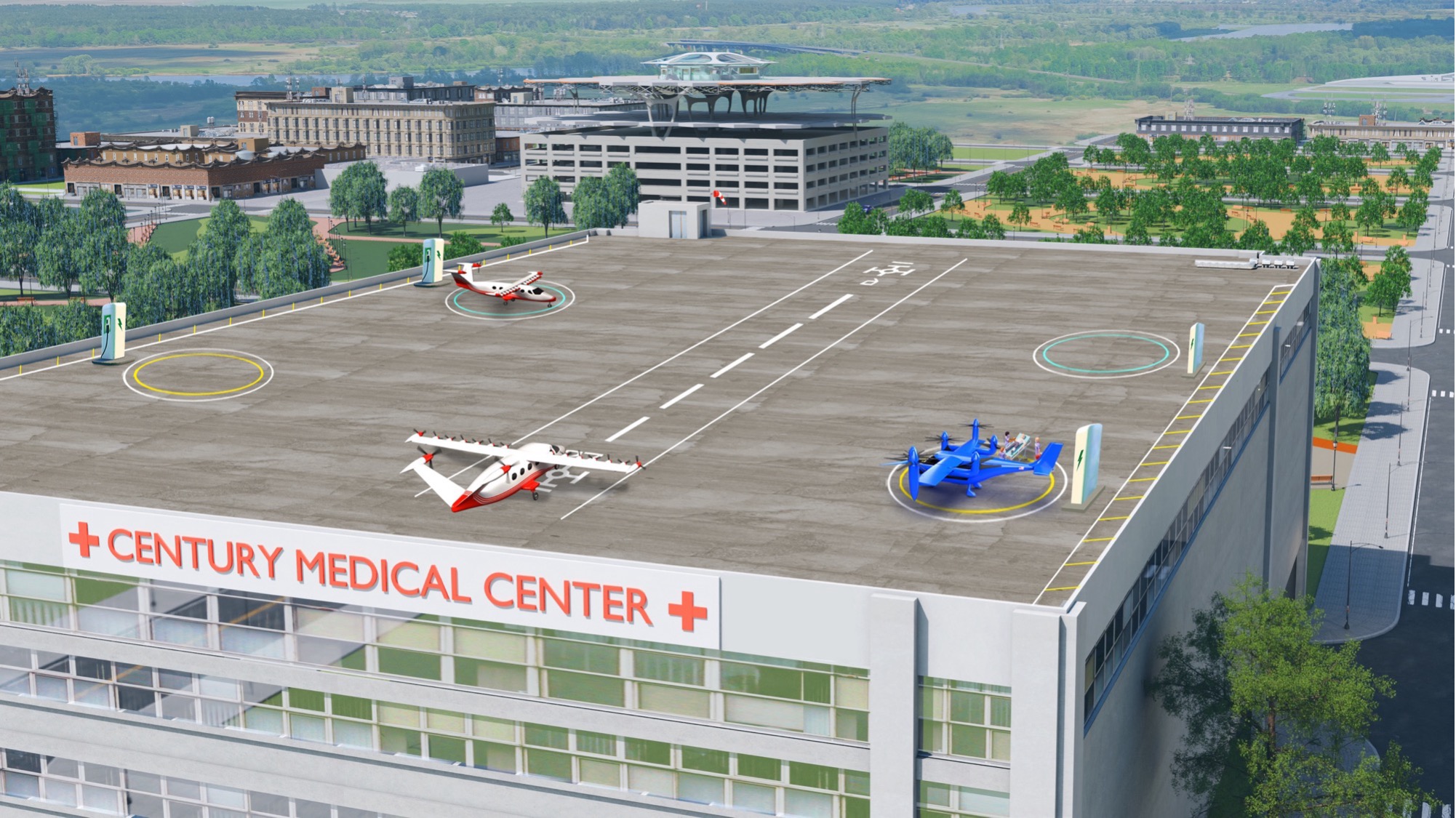
New kinds of aircraft taking to the skies could mean unfamiliar sounds overhead — and where you’re hearing them might matter, according to new NASA research. NASA aeronautics has worked for years to enable new air transportation options for people and goods, and to find ways to make sure they can be safely and effectively […]
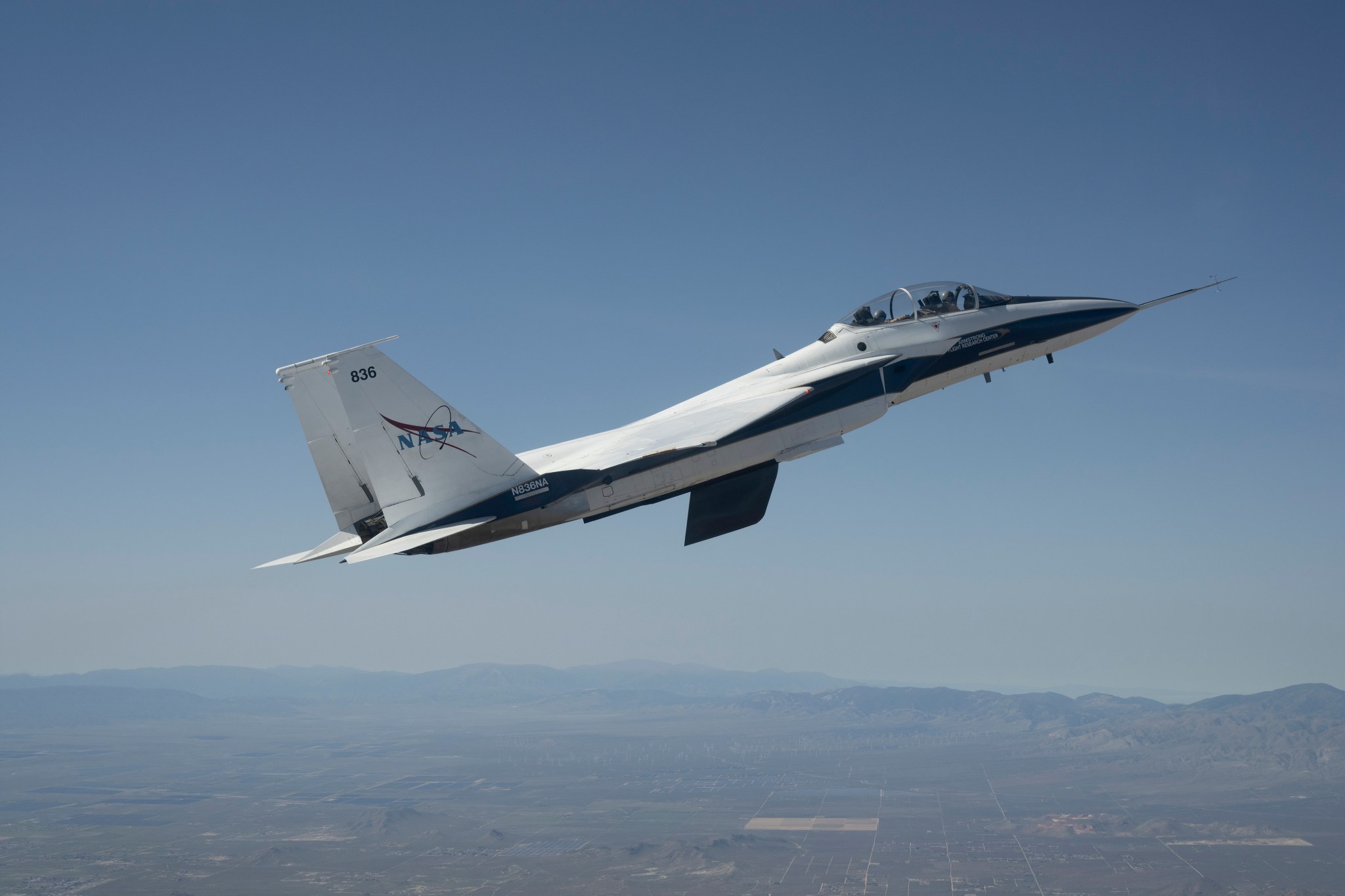
NASA completed the first flight test of a scale-model wing designed to improve laminar flow, reducing drag and lowering fuel costs for future commercial aircraft. The flight took place Jan. 29 at NASA’s Armstrong Flight Research Center in Edwards, California, using one of the agency’s F-15B research jets. The NASA-designed, 40-inch Crossflow Attenuated Natural Laminar Flow (CATNLF) wing model was attached to the aircraft’s underside vertically, like a fin. The flight lasted about 75 minutes, during […]
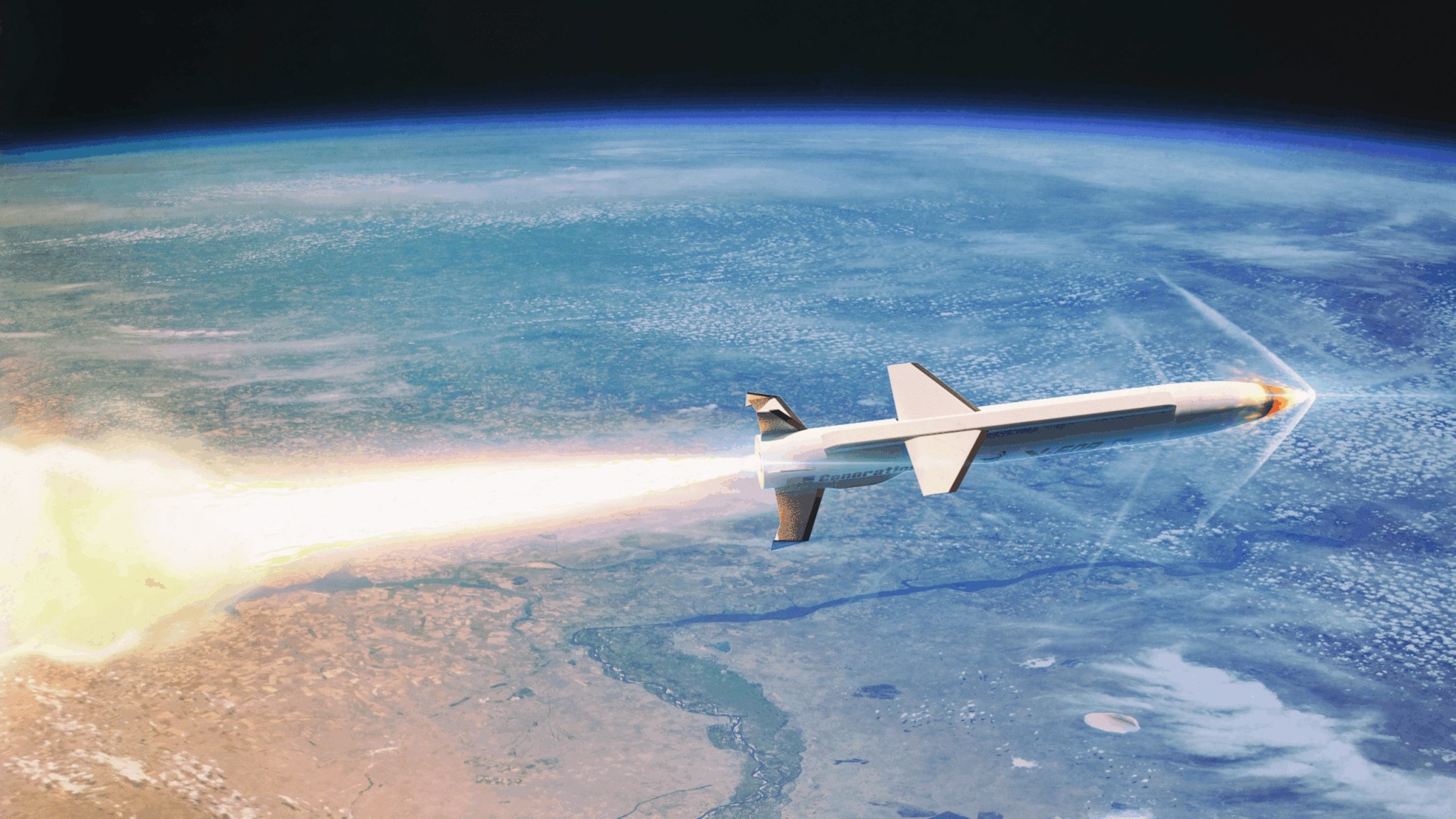
While NASA is working with U.S. aviation to explore commercial supersonic technologies, the agency is also looking forward to an even faster era of flight – one of vehicles that can fly hypersonic, or five times the speed of sound. And to further that vision, NASA has issued two awards for studies into vehicle concepts. […]
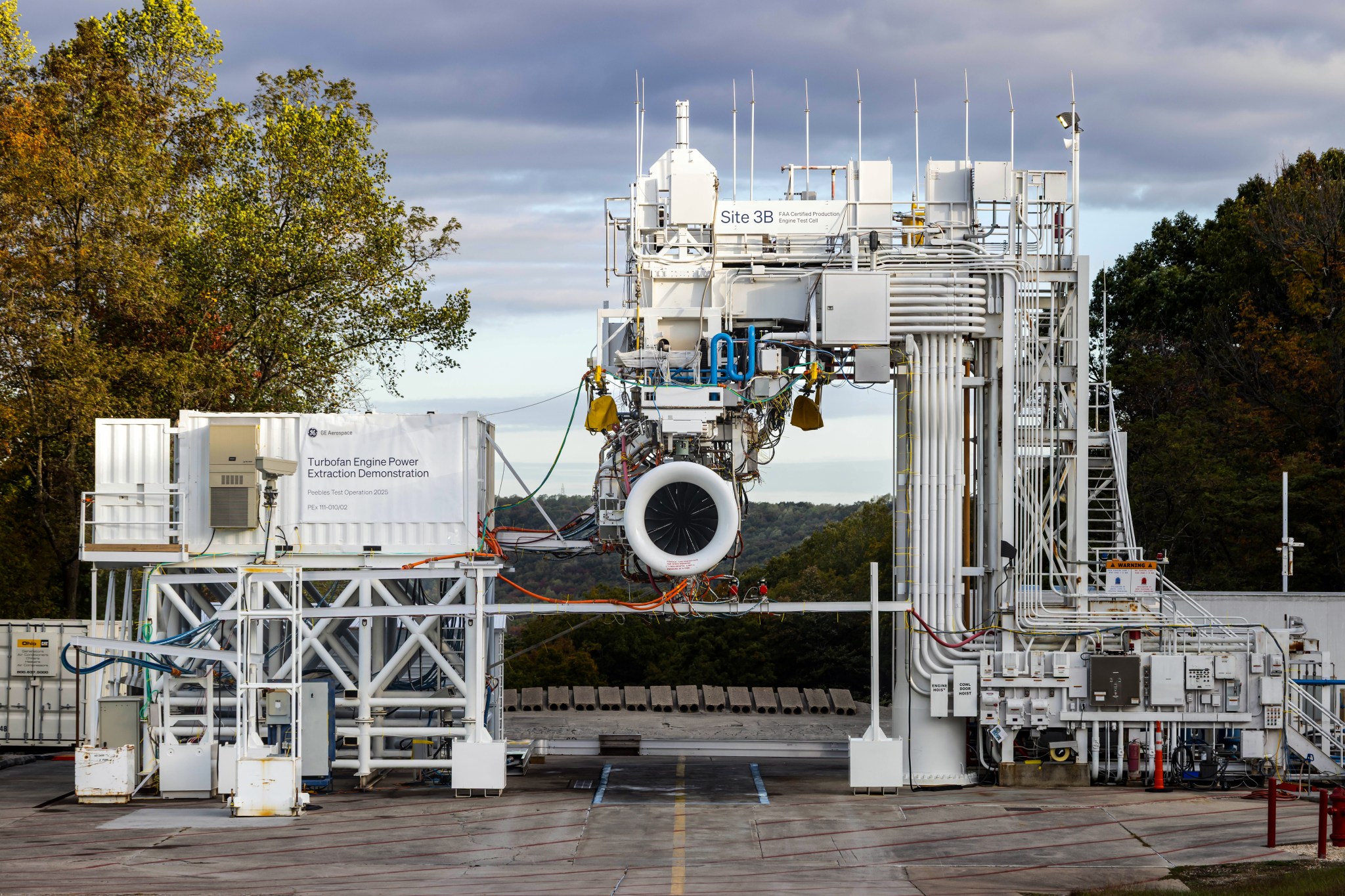
To an untrained eye, the aircraft engine sitting outside of a Cincinnati facility in December might have looked like standard hardware. But NASA and GE Aerospace researchers watching the unit fire up for a demonstration knew what they were looking at: a hybrid engine performing at a level that could potentially power an airliner. It’s something new in the […]
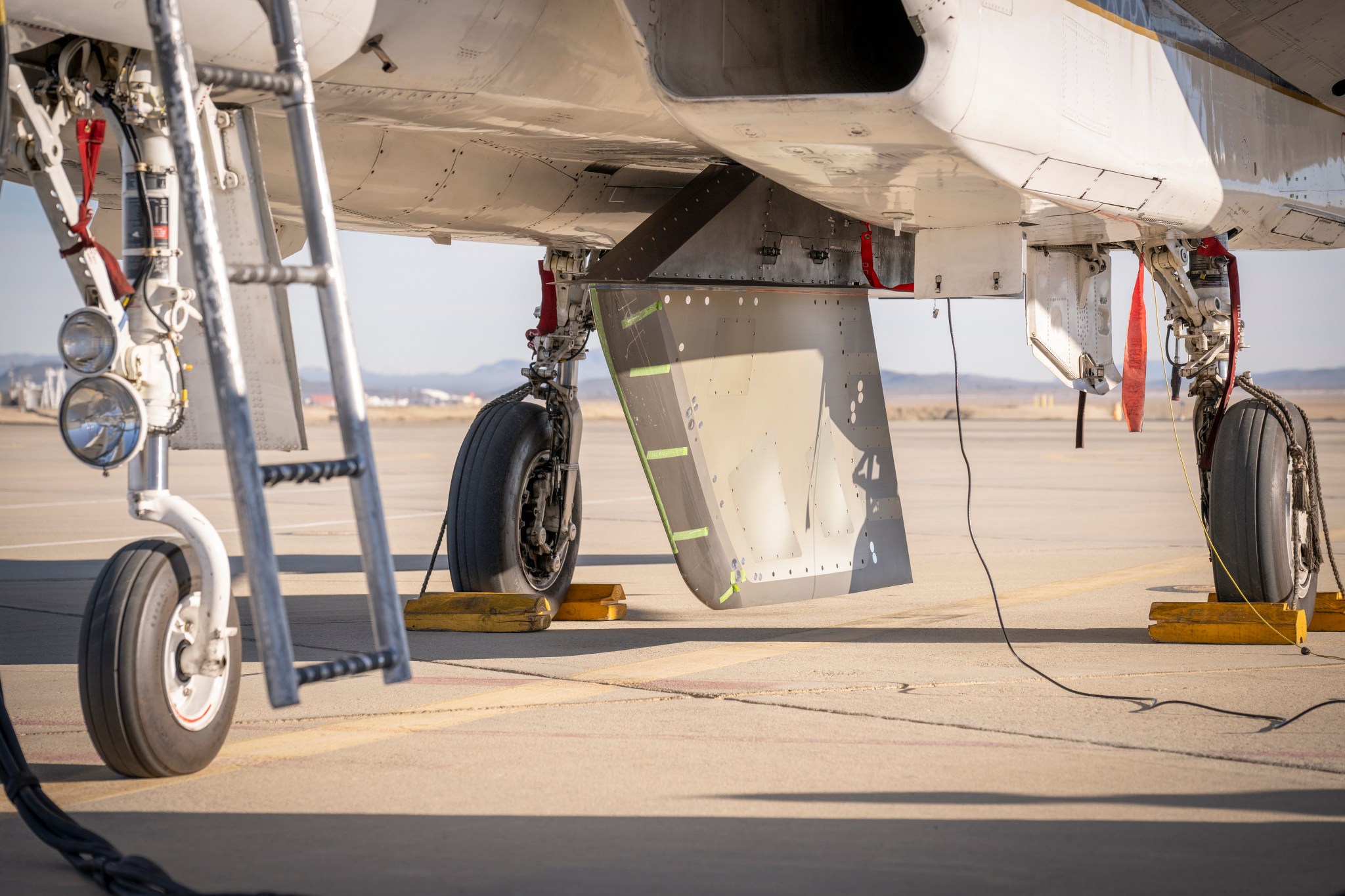
NASA researchers have successfully completed a high-speed taxi test of a scale model of a design that could make future aircraft more efficient by improving how air flows across a wing’s surface, saving fuel and money. On Jan. 12, the Crossflow Attenuated Natural Laminar Flow (CATNLF) test article reached speeds of approximately 144 mph, marking […]