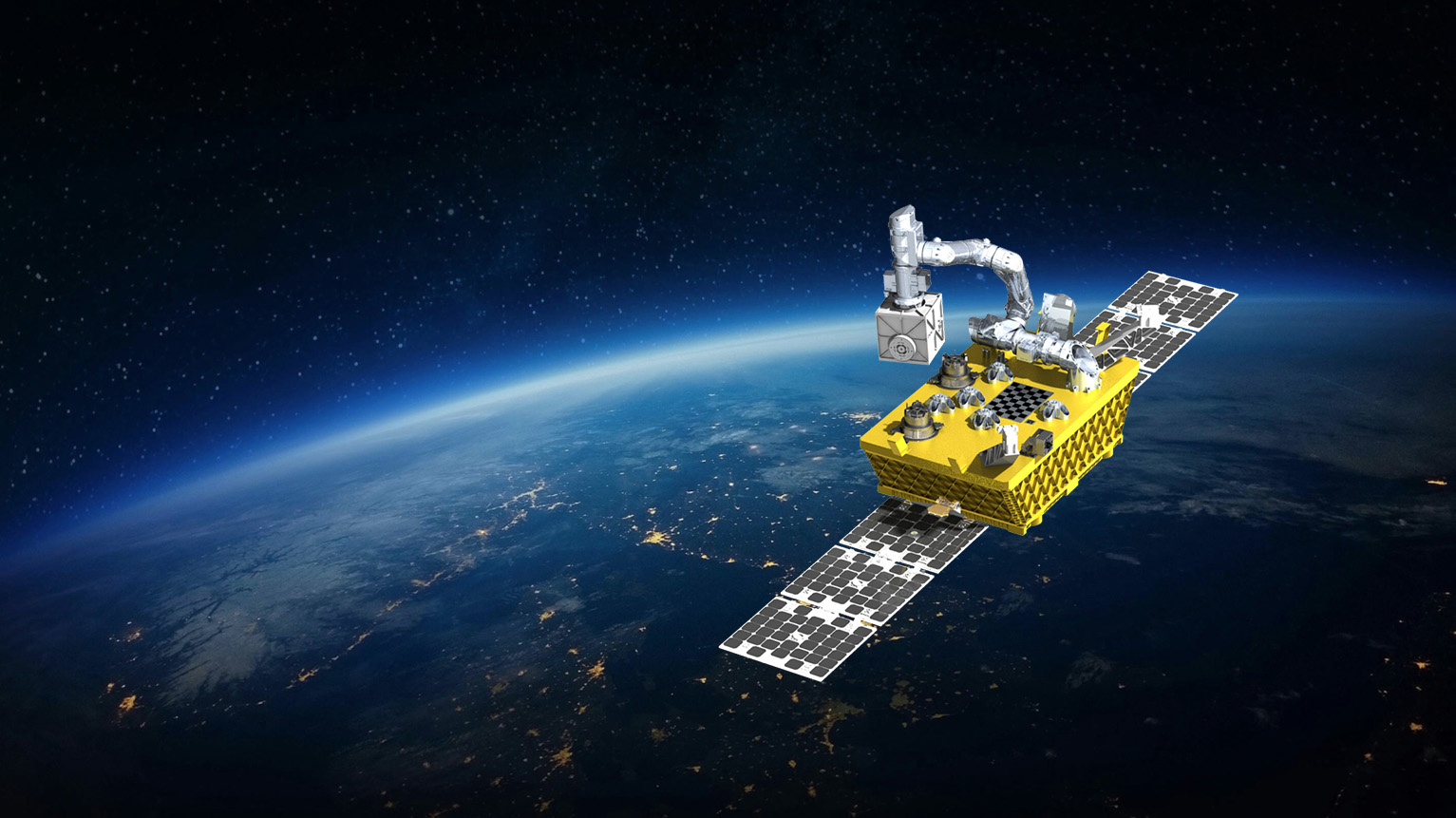
The Fly Foundational Robots (FFR) mission will launch a robotic arm, with seven degrees of freedom, to low Earth orbit. NASA is opening access to the robotic arm to a select group of U.S. researchers — principal investigators, post-doctoral researchers, professors, and highly qualified graduate students — who have a compelling experiment and the capability […]

NASA’s Center of Excellence for Collaborative Innovation (CoECI) assists in the use of crowdsourcing across the federal government. CoECI’s NASA Tournament Lab offers the contract capability to run external crowdsourced challenges on behalf of NASA and other agencies. The National Institutes of Health (NIH) Office of Nutrition Research (ONR) invites U.S.-based, accredited, non-profit academic institutions […]
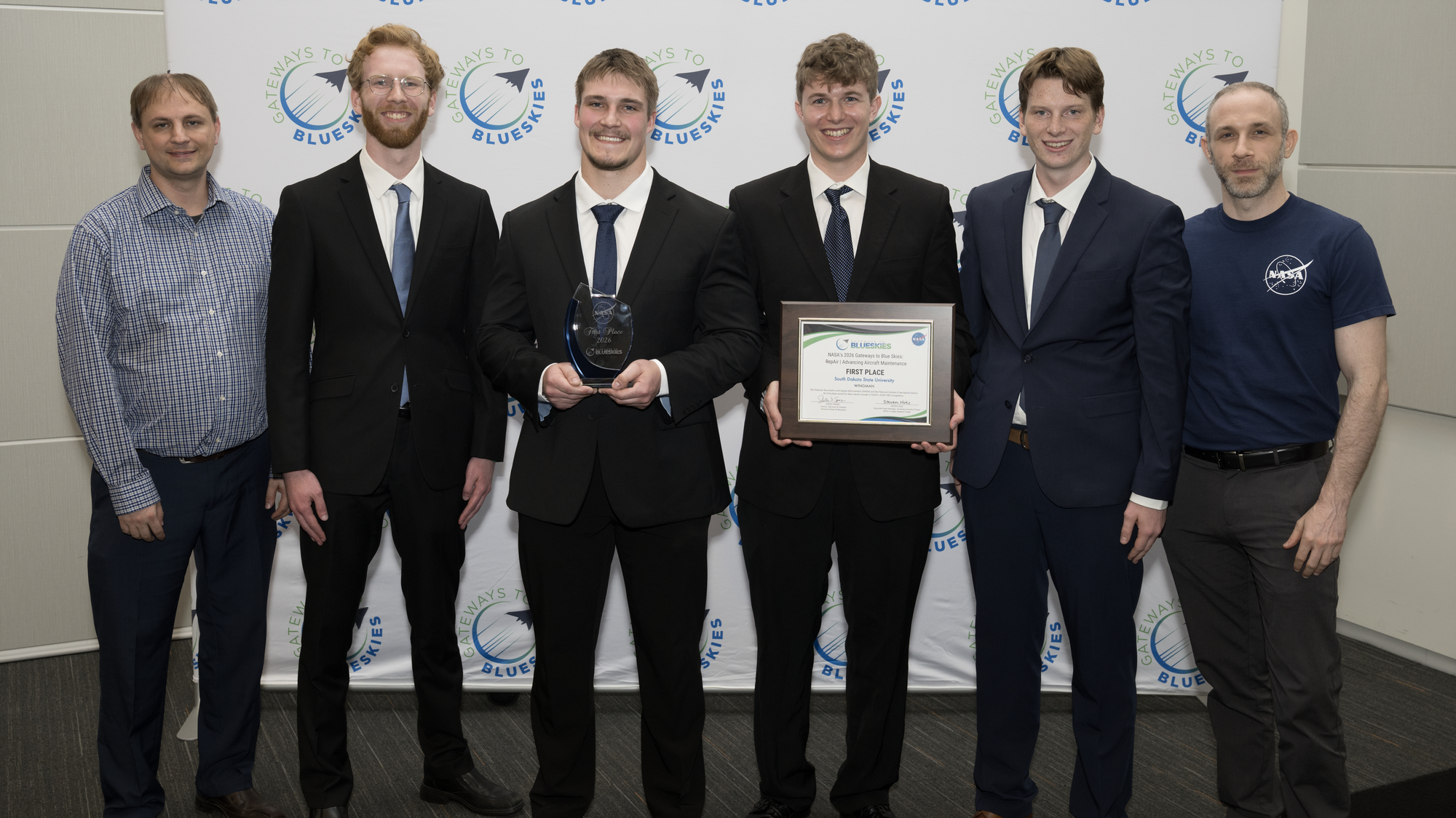
The South Dakota State University team took first place at NASA’s fifth annual Gateways to Blue Skies Competition, which challenged student teams to address a critical element of U.S. aviation: aircraft maintenance. This year’s competition, RepAir: Advancing Aircraft Maintenance, asked teams of postsecondary students to develop innovative systems and practices that could advance commercial aircraft […]
The Robotically Manipulated Payload Challenge — the fifth in the NASA TechLeap Prize series — is a competition to advance persistent infrastructure for in-space servicing, assembly, and manufacturing. NASA Flight Opportunities invites applicants to propose a payload that can be manipulated by a robotic arm in low Earth orbit. Up to three winners will each receive up […]
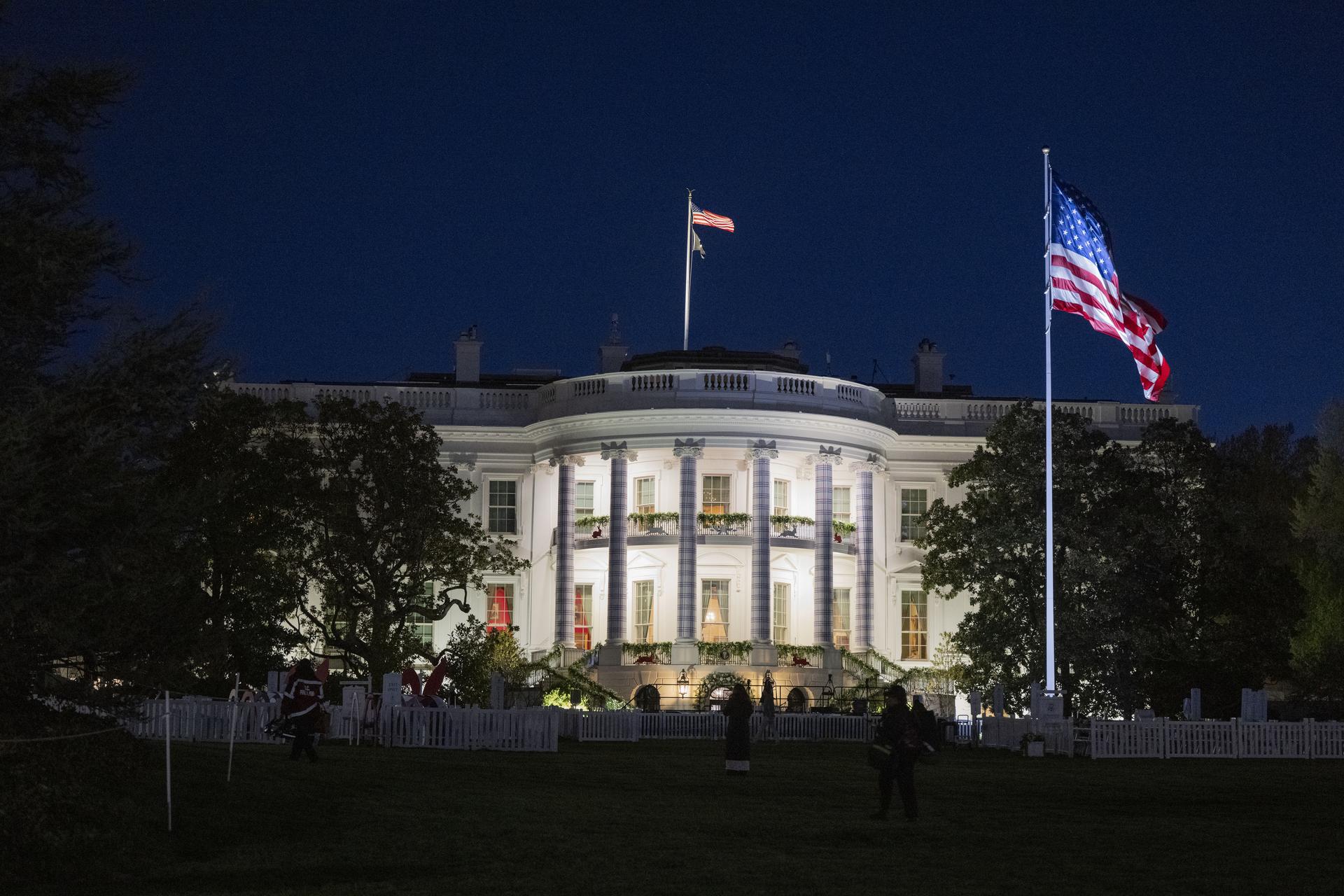
NASA’s Center of Excellence for Collaborative Innovation (CoECI) assists in the use of crowdsourcing across the federal government. CoECI’s NASA Tournament Lab offers the contract capability to run external crowdsourced challenges on behalf of NASA and other agencies. The Council on Environmental Quality (CEQ), within the Executive Office of the President established by the National […]
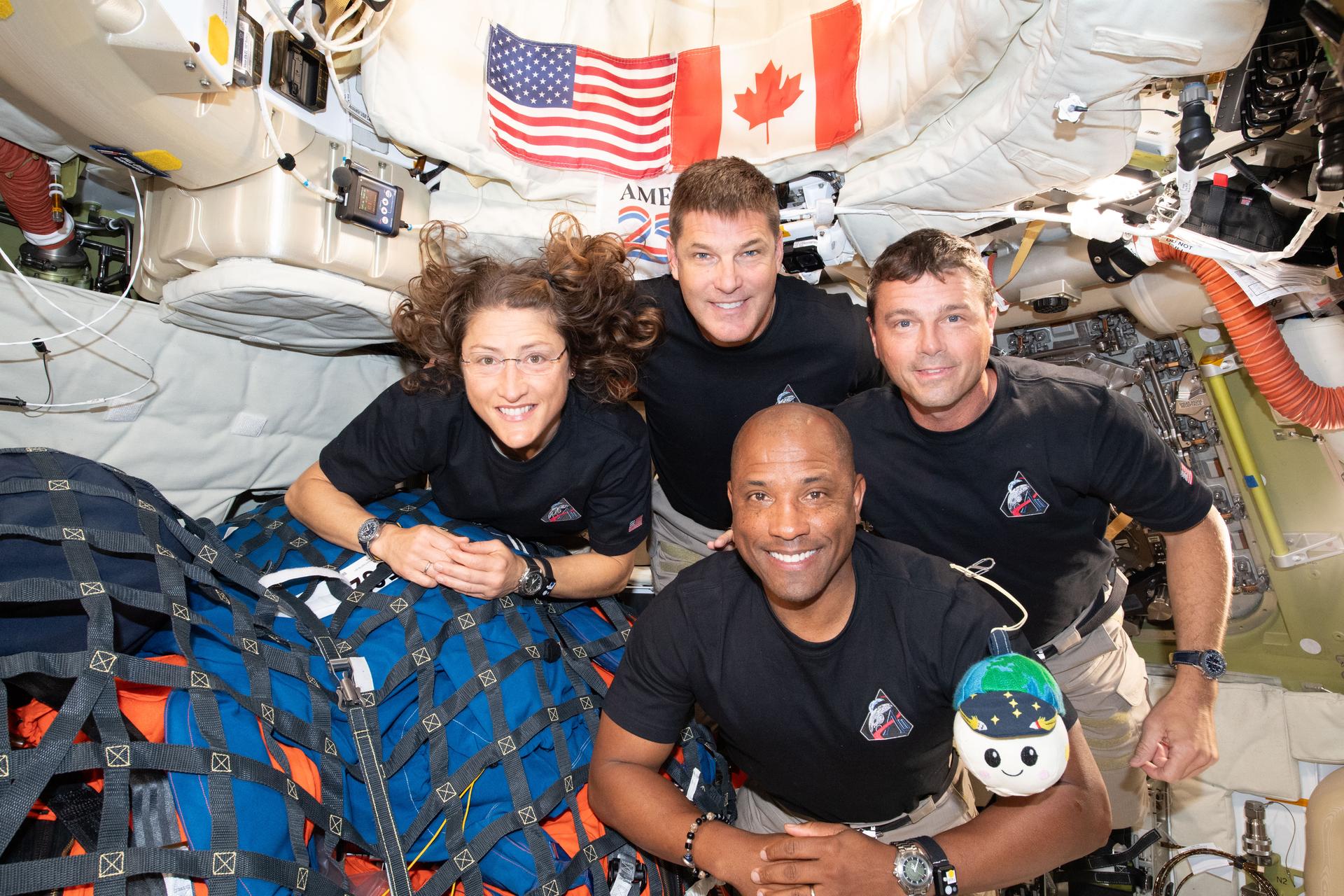
NASA’s Human Research Program (HRP) uses research to develop methods to protect the health and performance of astronauts in space. In support of NASA’s goals for long-term missions on the surface of the Moon and human exploration of Mars, HRP is using ground research facilities, the International Space Station, and analog environments to monitor human health in deep space. NASA’s Artemis II mission was the first […]
Technology and science demonstrations, supported by various NASA industry collaborations and agency developments, are set to launch to low Earth orbit aboard a SpaceX Falcon 9 rocket as part of the company’s Transporter-16 commercial rideshare mission. These demonstrations will test thermal protection systems, advance in-space communications, deepen our understanding of Earth’s atmosphere, and foster capabilities […]
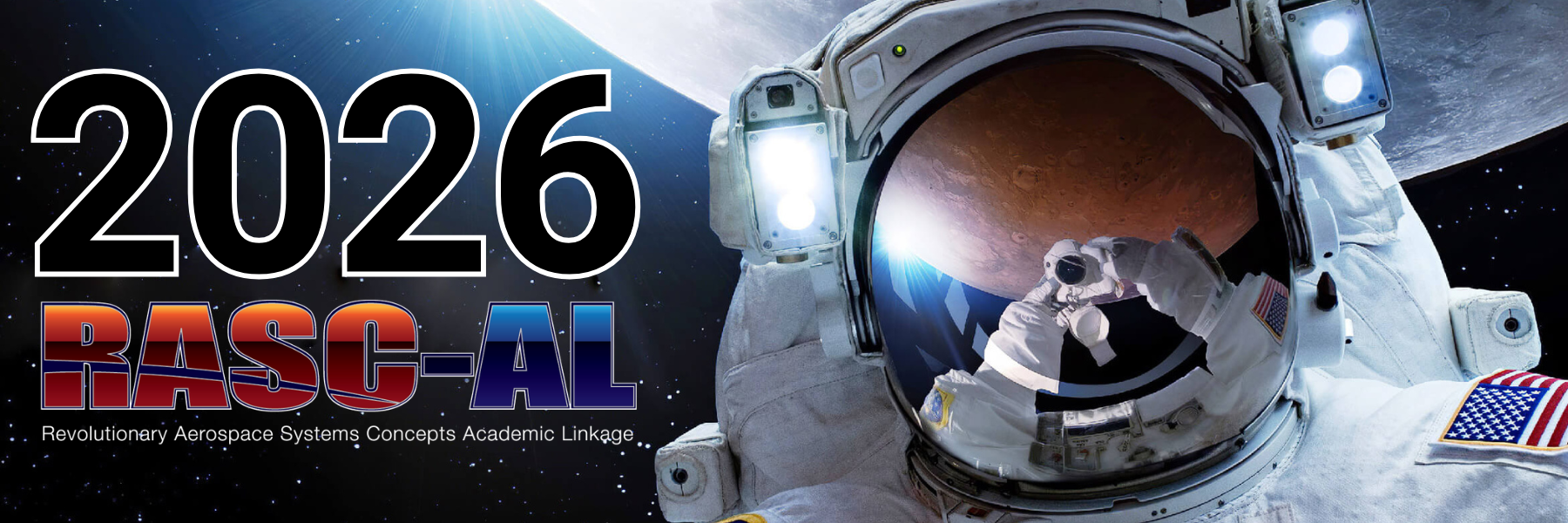
NASA selected 14 university teams from across the nation as finalists in the 2026 Revolutionary Aerospace Systems Concepts – Academic Linkage (RASC-AL) Competition. This NASA challenge tasks students to design innovative concepts that could further human life and work on the Moon, Mars, and beyond. The competition links academia and the aerospace community, fostering innovation, […]
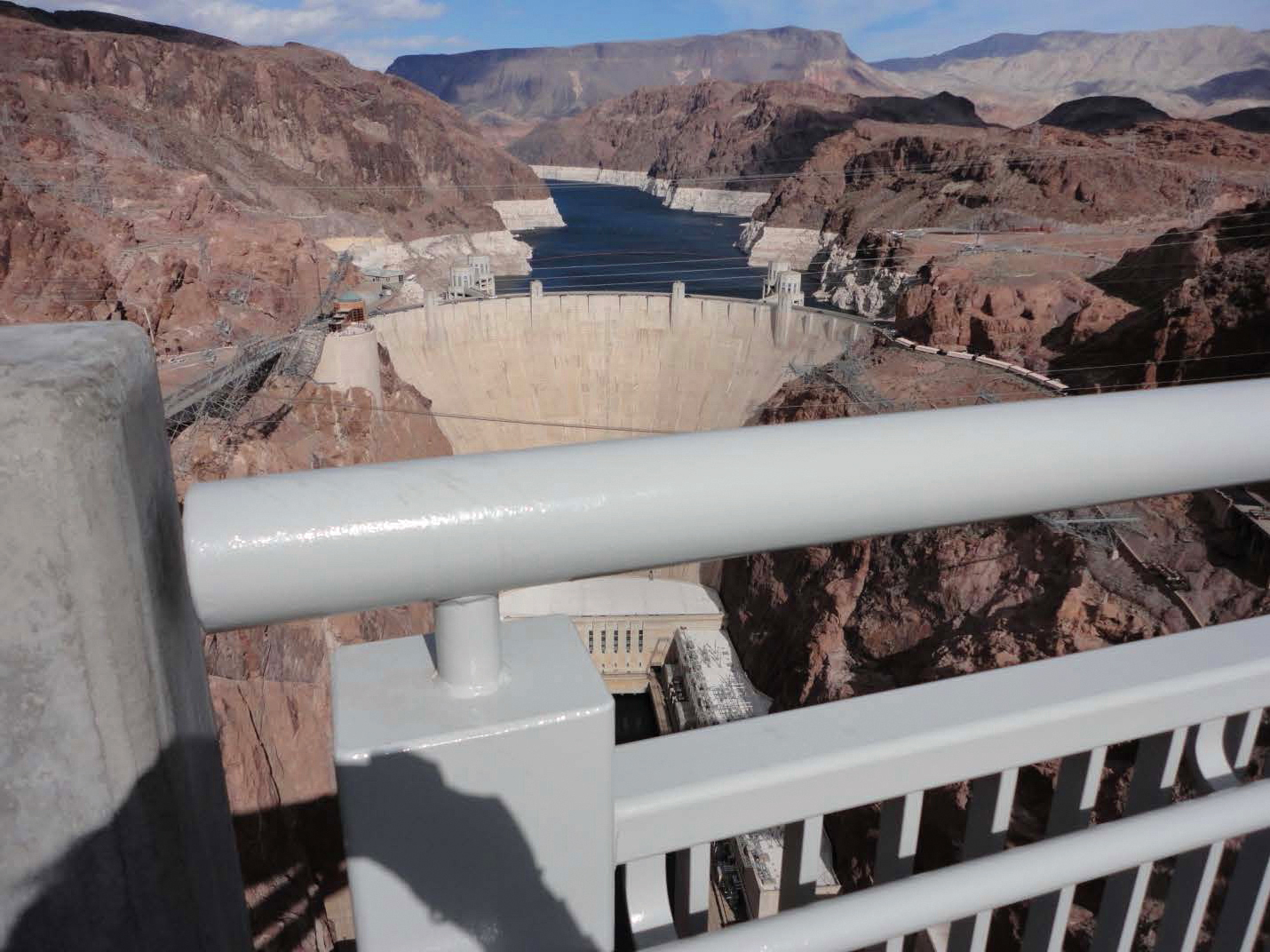
NASA’s Center of Excellence for Collaborative Innovation (CoECI) assists in the use of crowdsourcing across the federal government. CoECI’s NASA Tournament Lab offers the contract capability to run external crowdsourced challenges on behalf of NASA and other agencies. This three-phase challenge invites geophysicists, sensing specialists, nondestructive testing experts, and creative problem-solvers (including AI/ML practitioners) from […]
NASA’s Center of Excellence for Collaborative Innovation (CoECI) assists in the use of crowdsourcing across the federal government. CoECI’s NASA Tournament Lab offers the contract capability to run external crowdsourced challenges on behalf of NASA and other agencies. The Bureau of Reclamation (Reclamation) is sponsoring a 3-phase prize challenge (managed by yet2) for innovative solutions […]