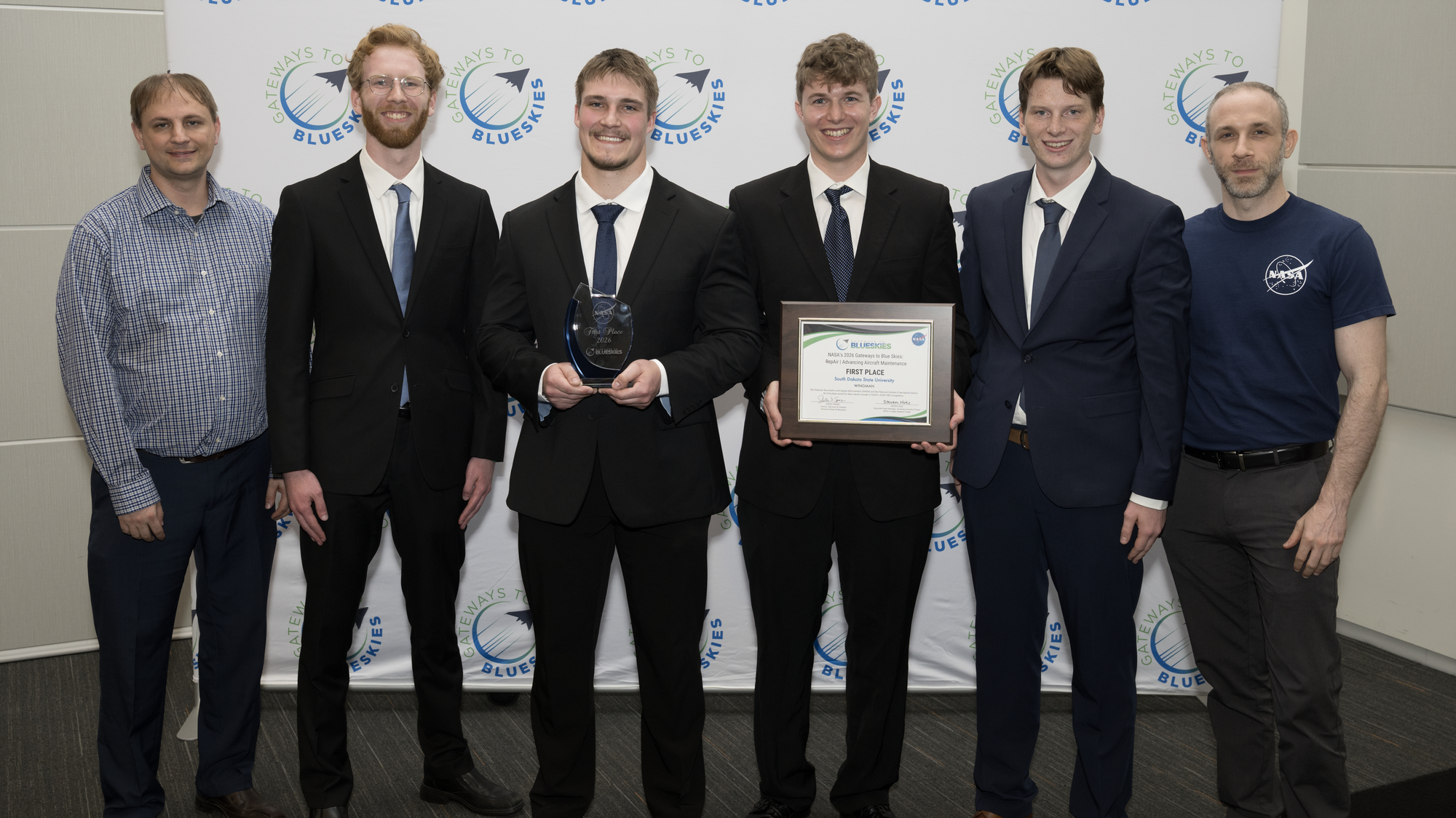
The South Dakota State University team took first place at NASA’s fifth annual Gateways to Blue Skies Competition, which challenged student teams to address a critical element of U.S. aviation: aircraft maintenance. This year’s competition, RepAir: Advancing Aircraft Maintenance, asked teams of postsecondary students to develop innovative systems and practices that could advance commercial aircraft […]

For 10 years, a NASA initiative has helped the agency produce breakthrough aeronautical innovations while fostering the aviation workforce of tomorrow – and the University Leadership Initiative (ULI) is still flying high, making awards with the potential to change 21st century air travel. Through ULI, NASA has supported more than 1,100 students at 100 schools, allowing them […]
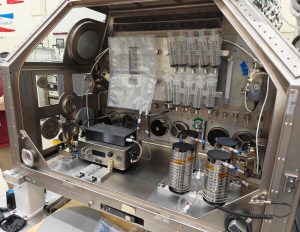
For years, NASA engineers have turned to a tool called the Launch, Ascent, and Vehicle Aerodynamics (LAVA) framework to solve airflow challenges that could mean the difference between mission success or failure. When engineers need to know how a spacecraft will navigate re-entry or whether a new aircraft wing design will create enough lift, they […]
Airflow around rockets as they travel from Earth into space can have a dramatic impact on a mission, which is why NASA used advanced simulations to provide the best possible launch conditions for the Artemis II test flight around the Moon. To better understand the Artemis Space Launch System (SLS) rocket’s flight environment, engineers turned to a NASA-developed tool called the Launch, Ascent, and Vehicle Aerodynamics […]
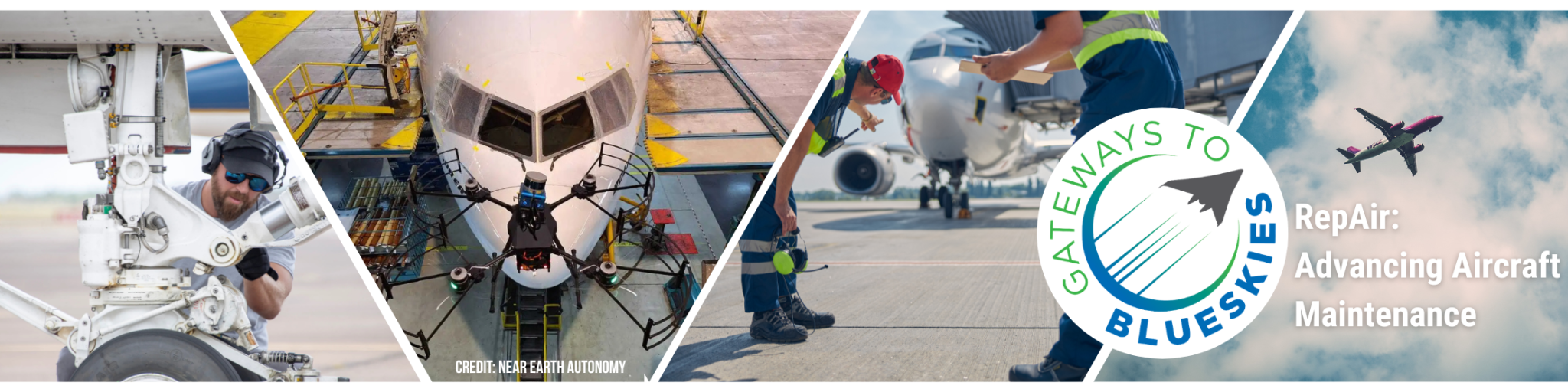
Editor’s note: This advisory was updated on March 24, 2026, to update the finalists list. NASA has selected seven student teams as finalists in the 2026 Gateways to Blue Skies Competition, giving them the resources to help address a critical challenge for U.S. aviation: aircraft maintenance. Challenges facing the commercial aviation industry include a shortage of qualified maintenance workers and increasing demands to keep complicated aircraft running […]
TACP Benefits Foundation for disruptive technologies: Placing emphasis on transformative concepts lays the groundwork for revolutionary advancements in aviation. Accelerated innovation in aerospace: Developing next-generation engineering methodologies and digital tools enables faster, more efficient design, testing, and certification processes. Strong collaborative ecosystem: TACP fosters partnerships among NASA, academia, industry, and government, creating a powerful network […]
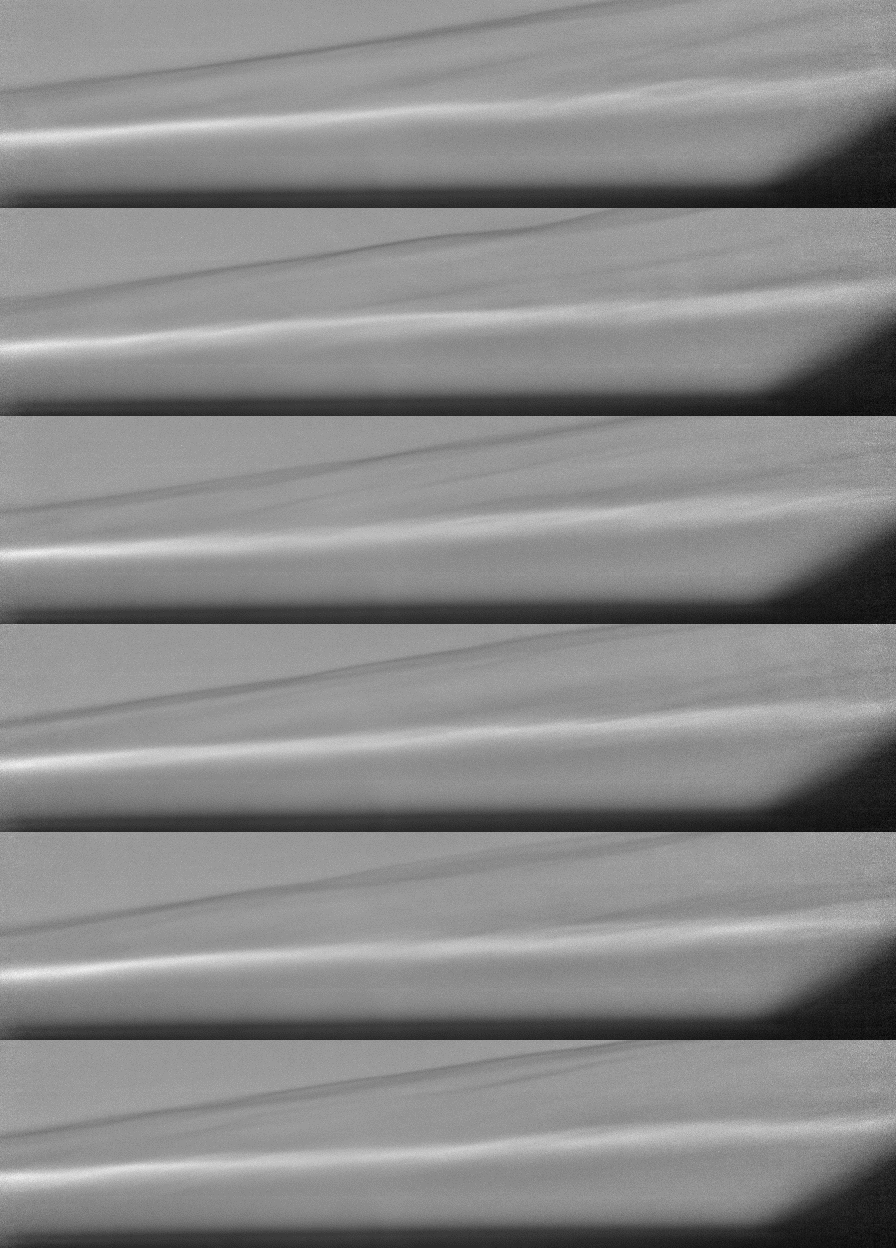
Imagine trying to photograph wind. That’s similar to what NASA engineers dealt with during a recent effort to study how air moves around planes, rockets, and other kinds of aerospace vehicles. Air is invisible, but our understanding of how it flows is crucial for building better, safer aircraft. For 80 years, researchers used a technique […]