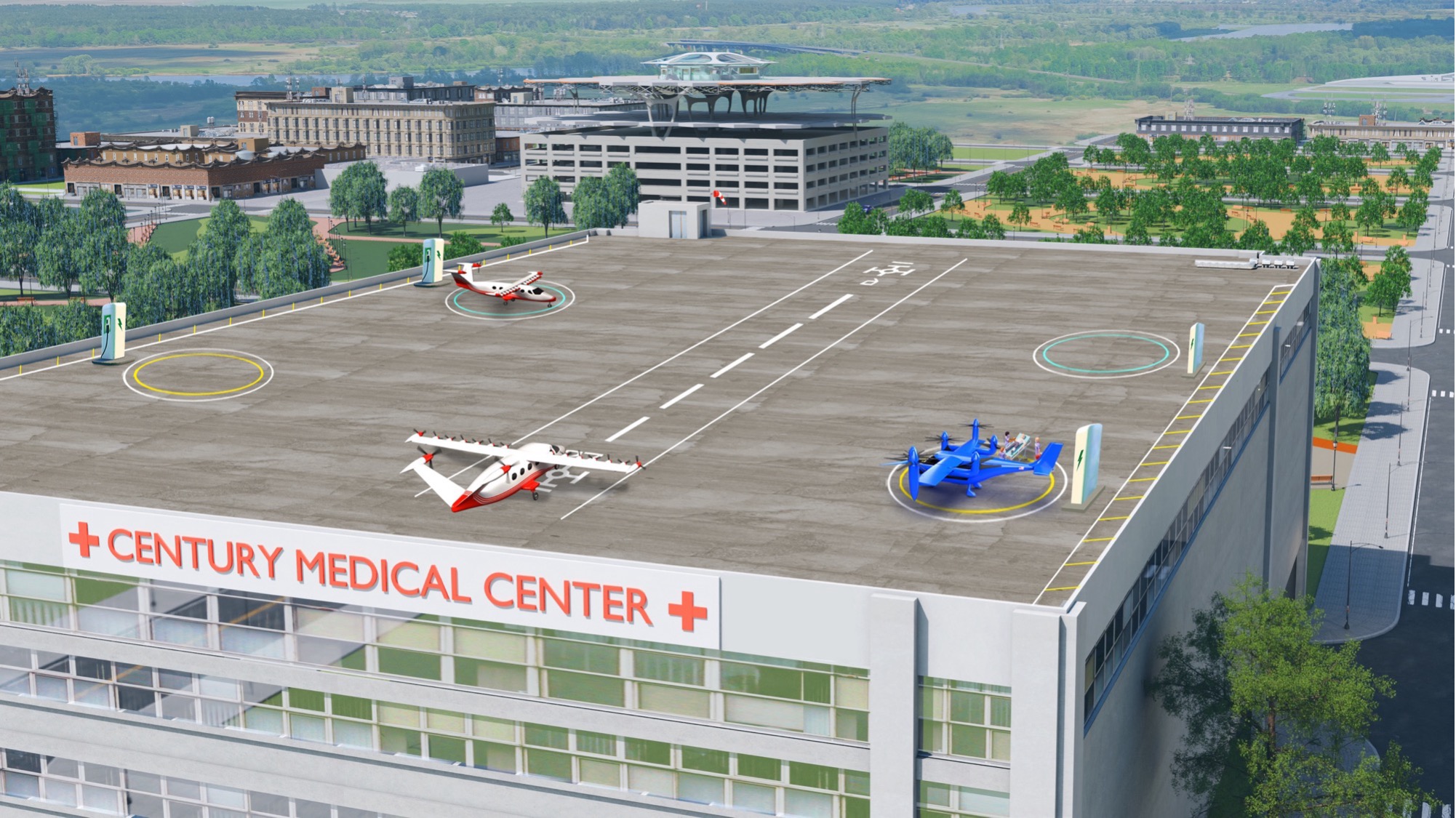
New kinds of aircraft taking to the skies could mean unfamiliar sounds overhead — and where you’re hearing them might matter, according to new NASA research. NASA aeronautics has worked for years to enable new air transportation options for people and goods, and to find ways to make sure they can be safely and effectively […]
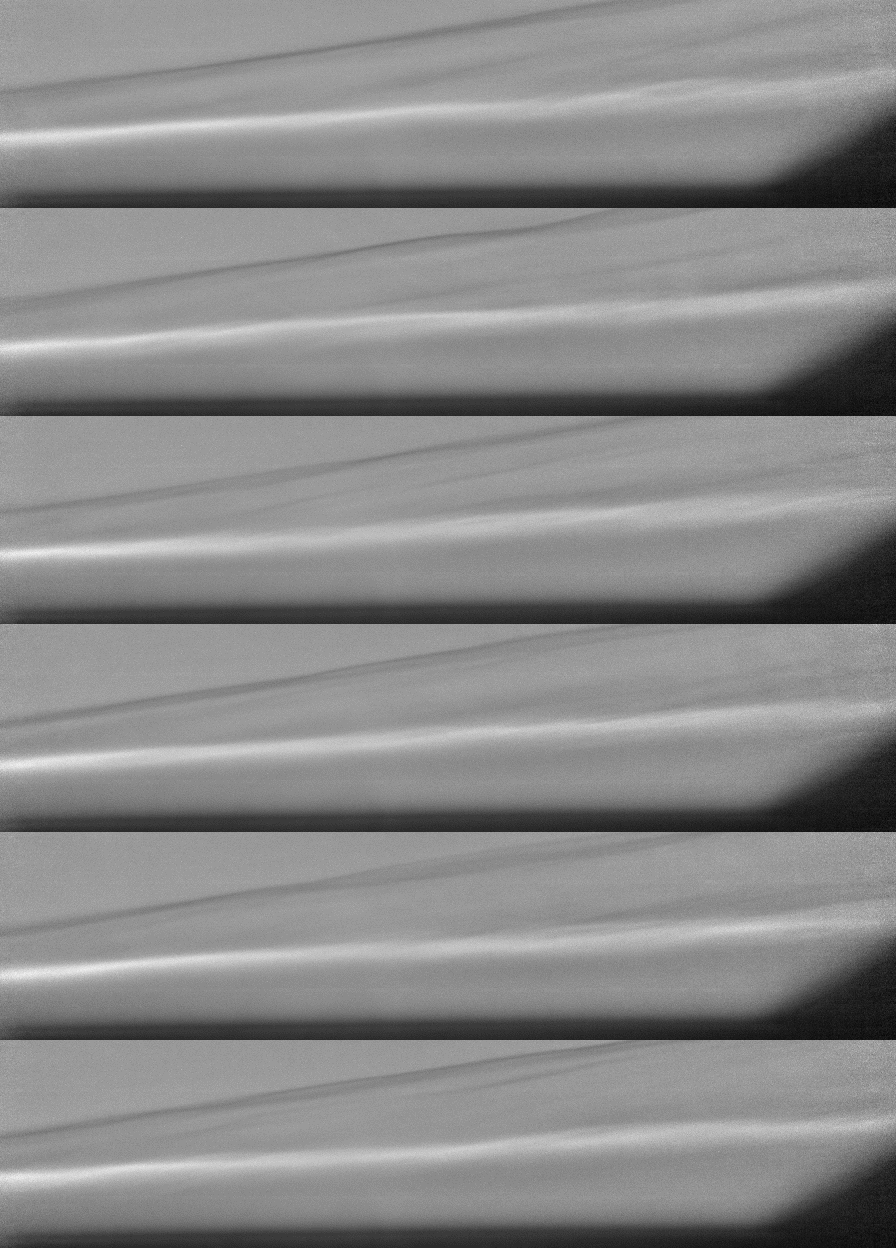
Imagine trying to photograph wind. That’s similar to what NASA engineers dealt with during a recent effort to study how air moves around planes, rockets, and other kinds of aerospace vehicles. Air is invisible, but our understanding of how it flows is crucial for building better, safer aircraft. For 80 years, researchers used a technique […]
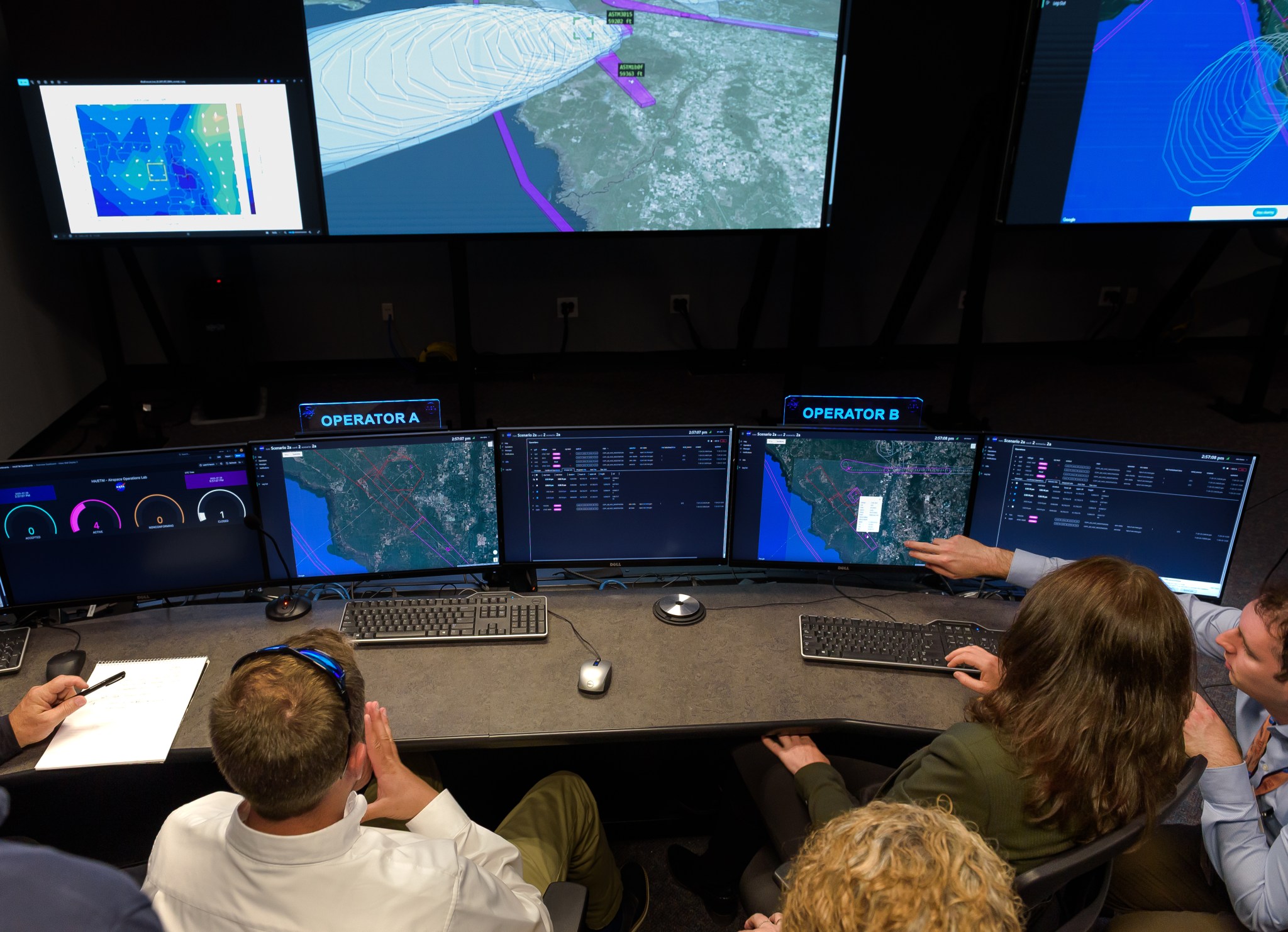
High-altitude flight is getting increasing attention from sectors ranging from telecommunications to emergency response. To make that airspace more accessible, NASA is developing an air traffic management system covering those altitudes and supplementing its work with real-time data from a research balloon in Earth’s stratosphere. Aircraft at high altitudes – 50,000 feet or higher, or roughly 10,000 to 20,000 feet above most commercial traffic – offer new […]

THIS PAGE WAS UPDATED ON MARCH 6, 2026 This Aeronautics Research Mission Directorate (ARMD) solicitations page compiles the opportunities to collaborate with NASA’s aeronautical innovators and/or contribute to their research to enable new and improved air transportation systems. Most opportunities to participate in research are officially announced through the Web-based NASA Solicitation and Proposal Integrated […]
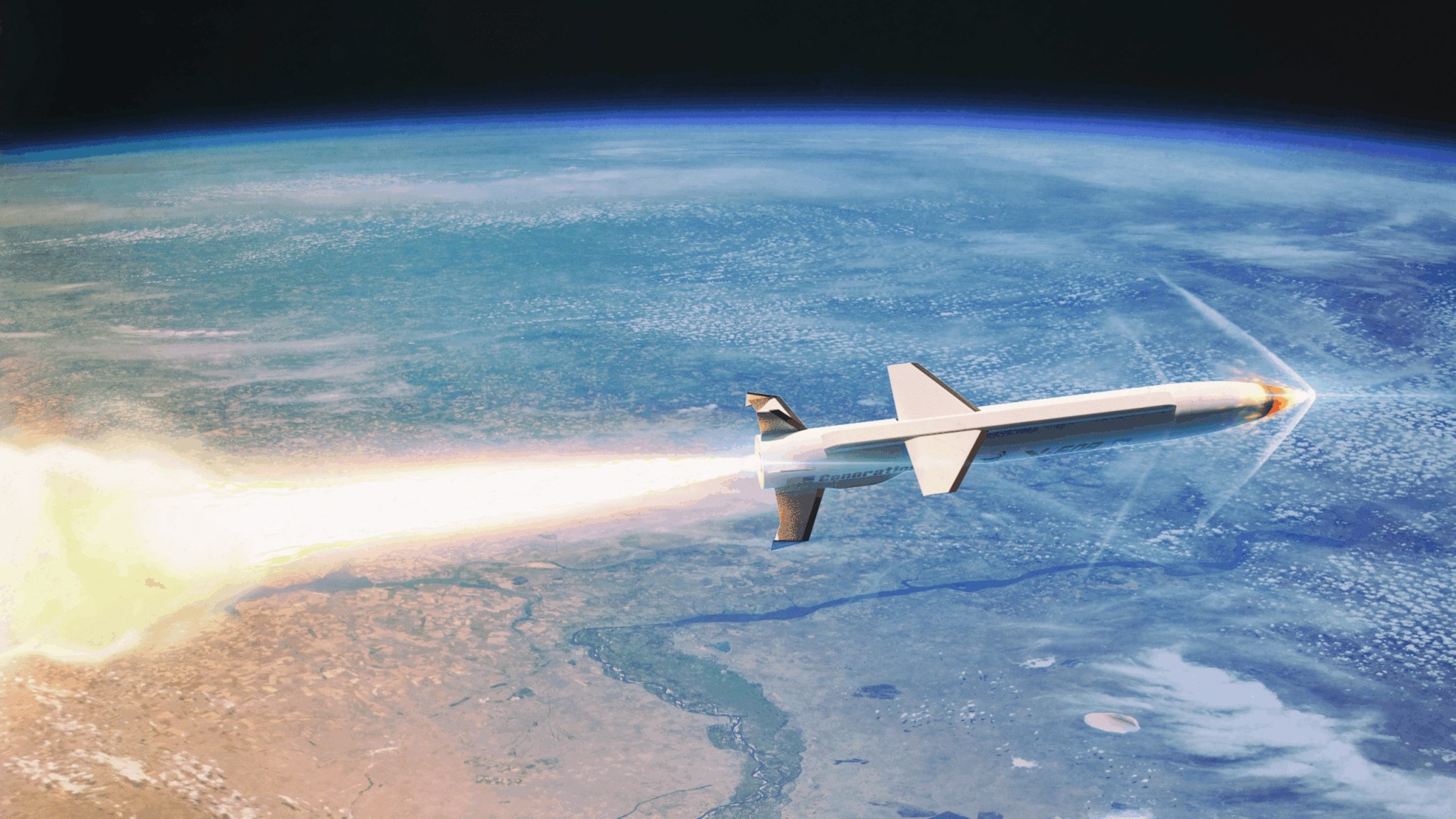
While NASA is working with U.S. aviation to explore commercial supersonic technologies, the agency is also looking forward to an even faster era of flight – one of vehicles that can fly hypersonic, or five times the speed of sound. And to further that vision, NASA has issued two awards for studies into vehicle concepts. […]
University of Michigan researchers have developed dual sensors that detect black ice and freezing rain early, offering safer driving and aviation by identifying hazards before they become dangerous.
The post New sensor tech may help cars and planes det…
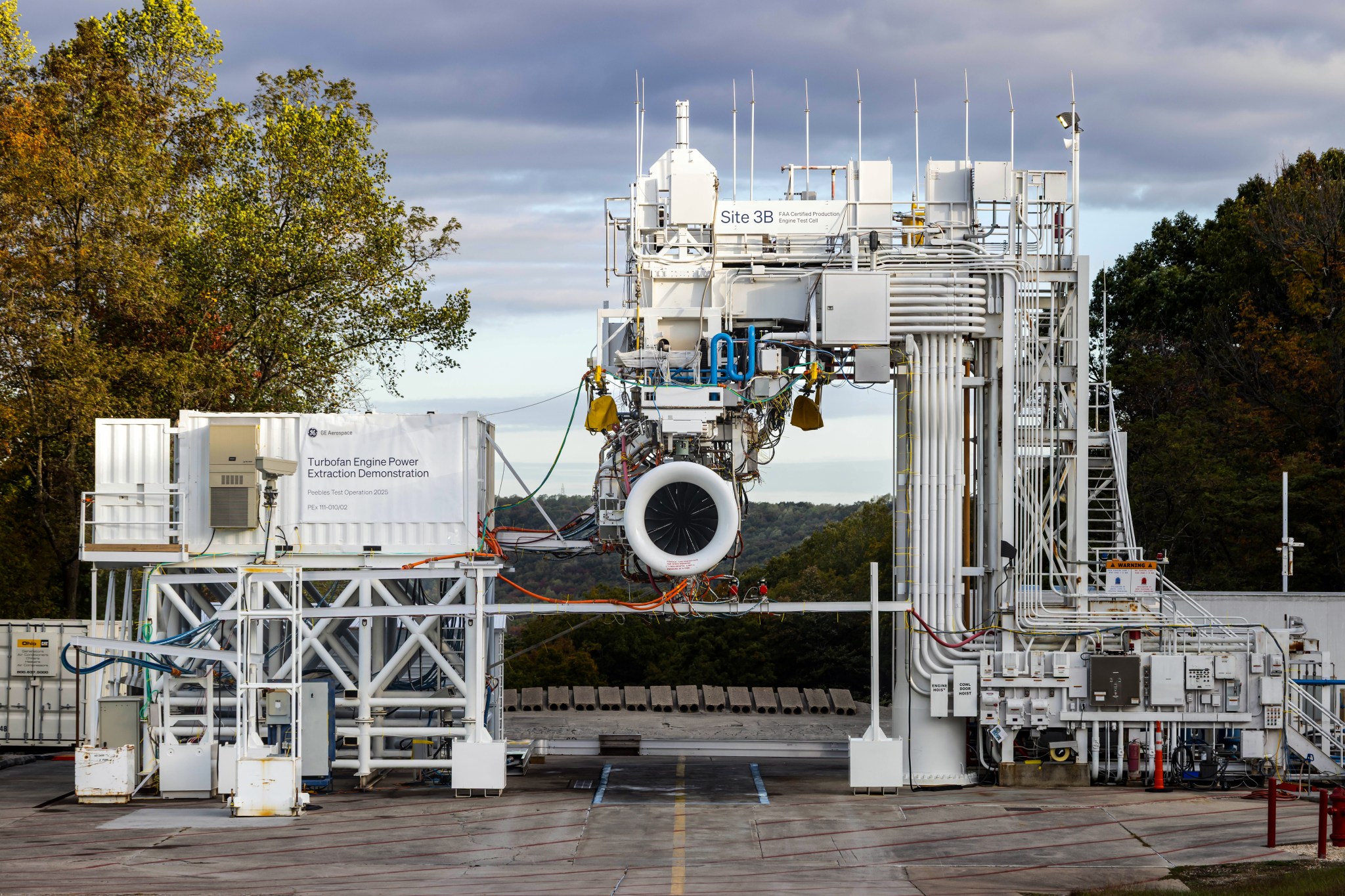
To an untrained eye, the aircraft engine sitting outside of a Cincinnati facility in December might have looked like standard hardware. But NASA and GE Aerospace researchers watching the unit fire up for a demonstration knew what they were looking at: a hybrid engine performing at a level that could potentially power an airliner. It’s something new in the […]
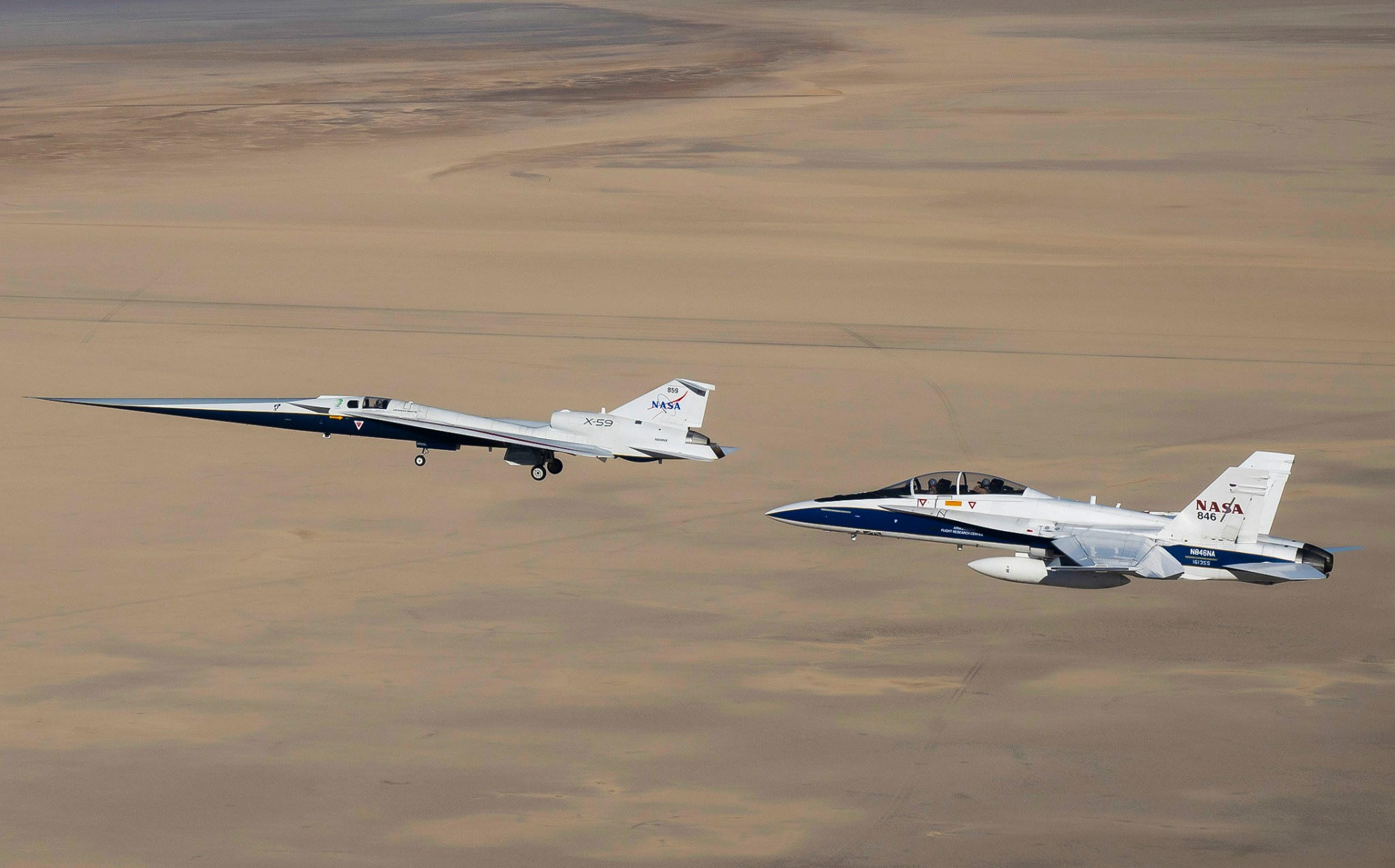
As NASA’s X-59 quiet supersonic research aircraft continues a series of flight tests over the California high desert in 2026, its pilot will be flying with a buddy closely looking out for his safety. That colleague will be another test pilot in a separate chase aircraft. His job as chase pilot: keep a careful watch on things as he tracks the […]
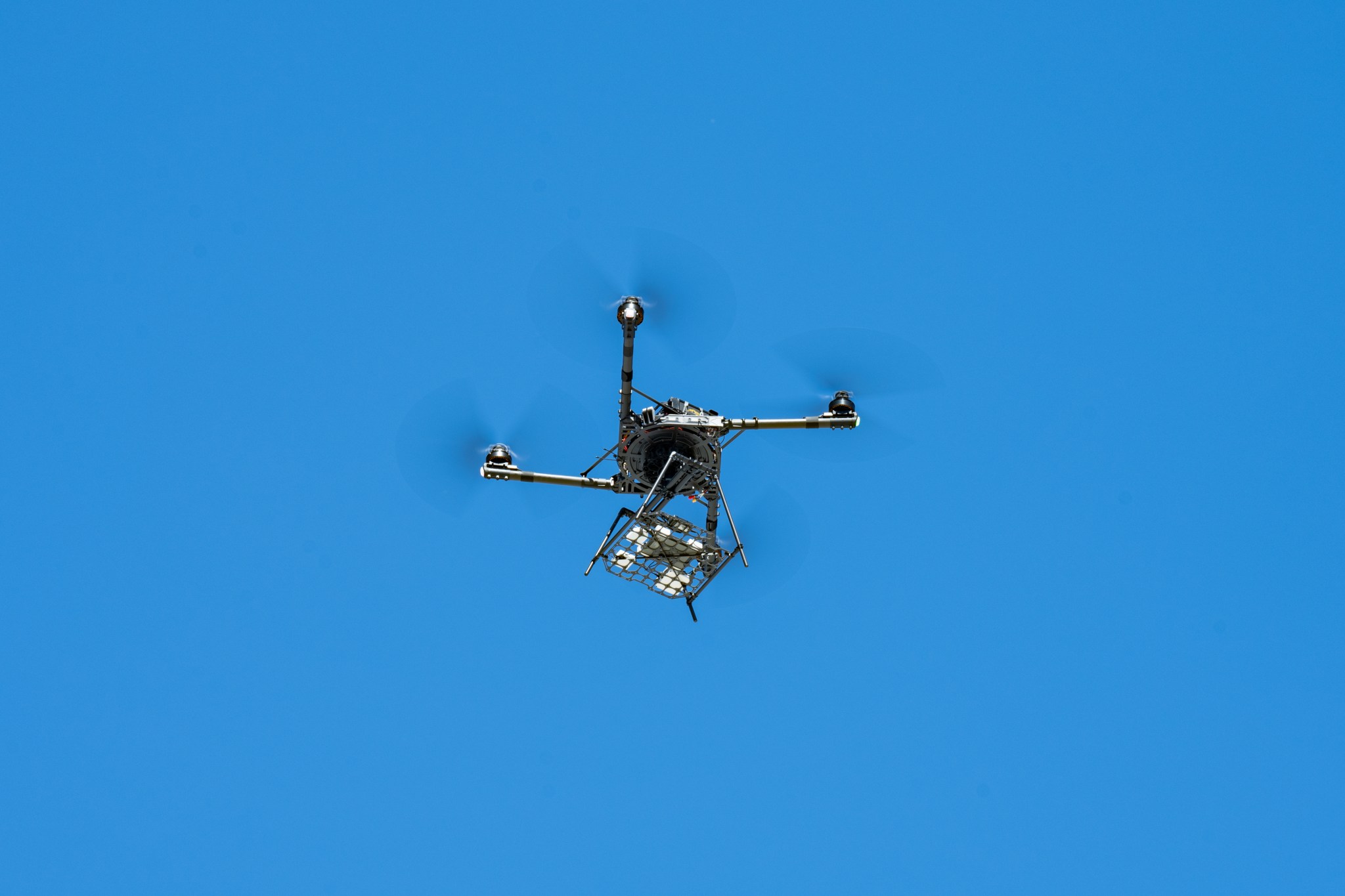
Through a drone flight test at NASA’s Ames Research Center, researchers tested a blockchain-based system for protecting flight data. The system aims to keep air traffic management safe from disruption and protect data transferred between aircraft and ground stations from being intercepted or manipulated.
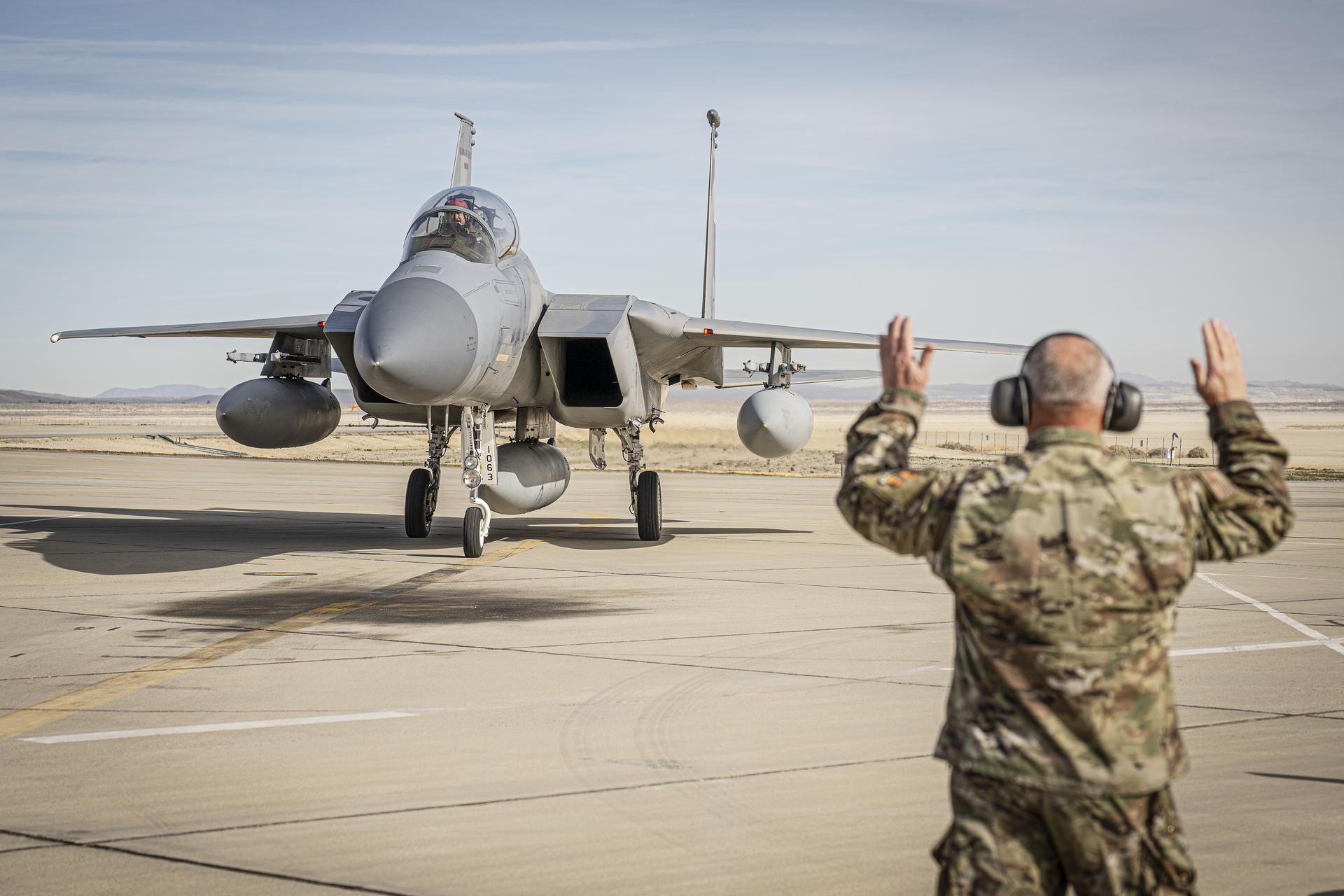
Two retired U.S. Air Force F-15 jets have joined the flight research fleet at NASA’s Armstrong Flight Research Center in Edwards, California, transitioning from military service to a new role enabling breakthrough advancements in aerospace. The F-15s will support supersonic flight research for NASA’s Flight Demonstrations and Capabilities project, including testing for the Quesst mission’s […]