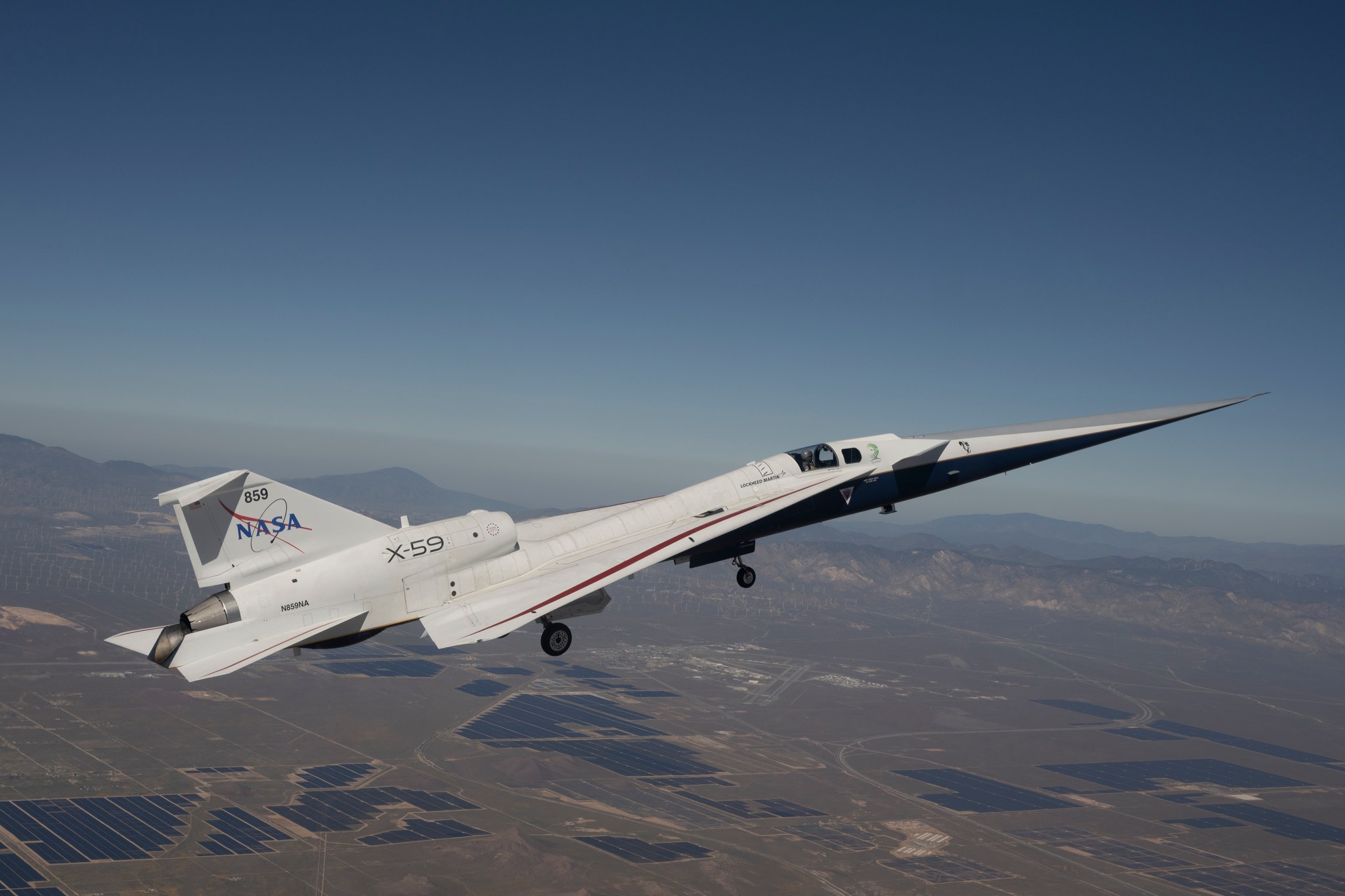
NASA’s quiet supersonic X-59 aircraft made its second flight on Friday, kicking off a series of dozens of test flights in 2026. Although the flight duration was abbreviated due to a technical issue, the team was able to collect information that will inform future tests. “Despite the early landing, this is a good day for the team. We collected more data, and the pilot landed safely,” said Cathy Bahm, project manager for NASA’s Low-Boom […]
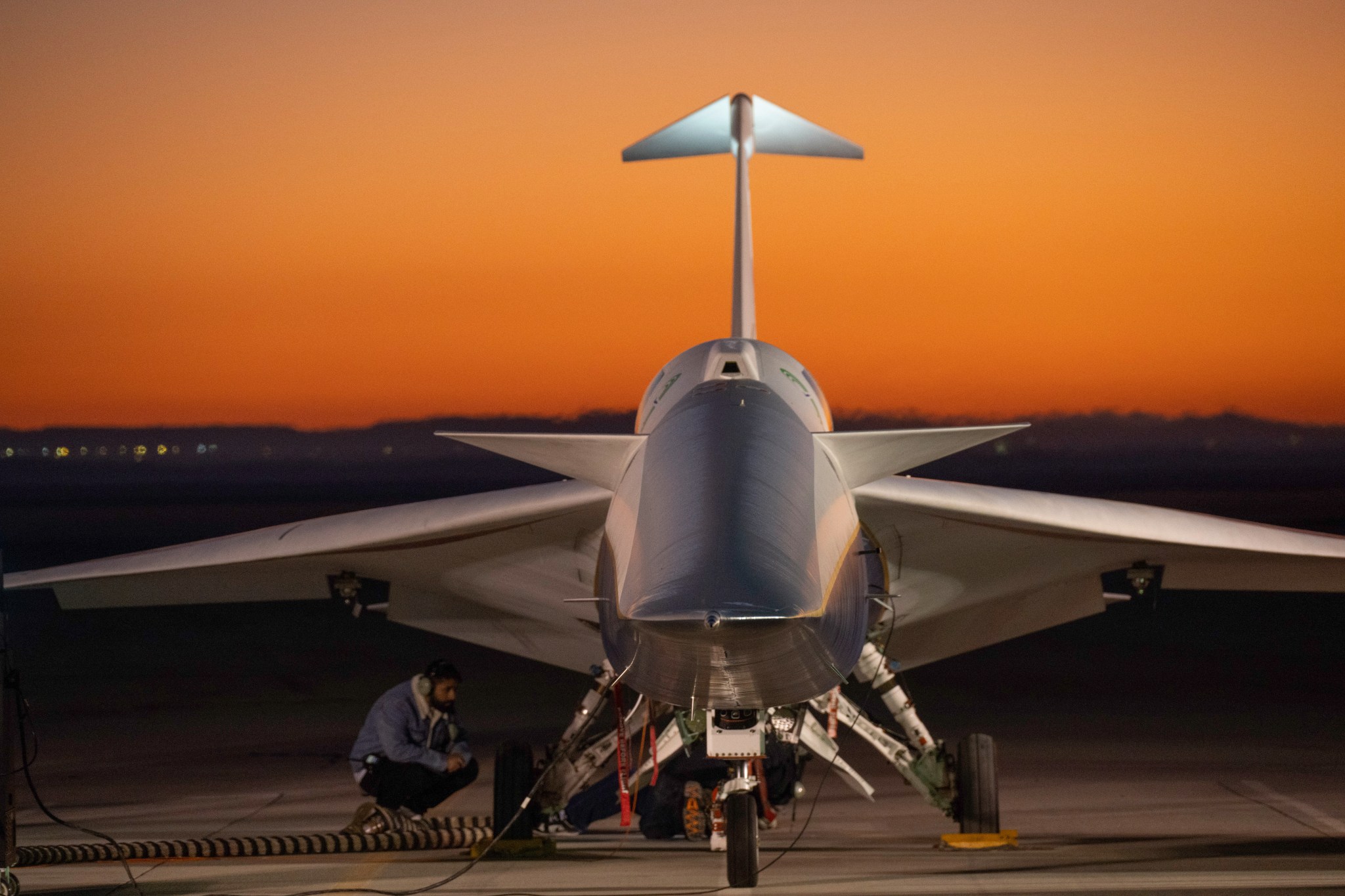
NASA’s X-59 experimental aircraft is preparing for its second flight, a step that will set the pace for more flight testing in 2026. Over the coming months, NASA will take the quiet supersonic jet faster and higher, while validating safety and performance, a process known as envelope expansion. NASA test pilot Jim “Clue” Less will be at the X-59’s […]
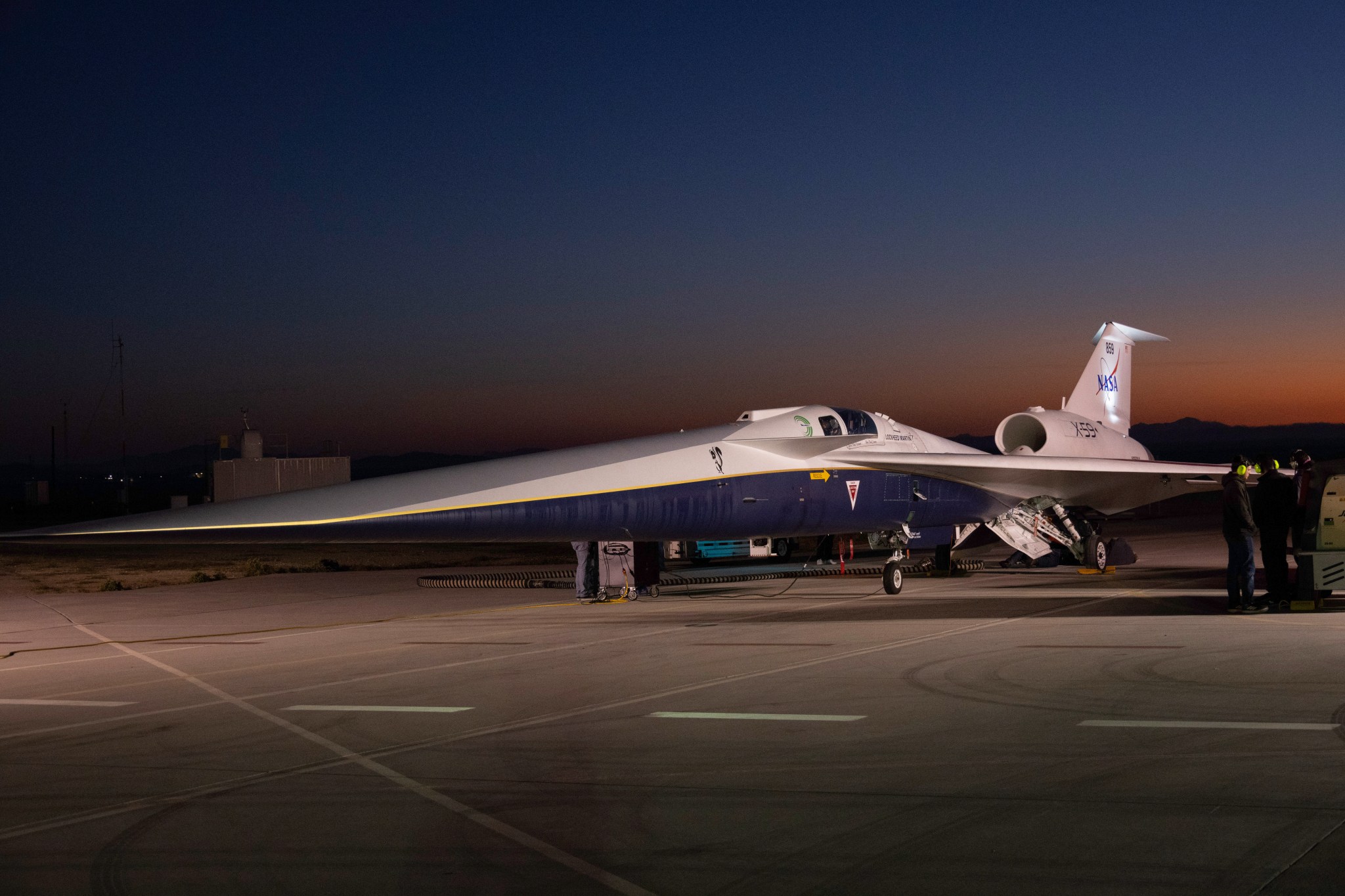
NASA will hold a media teleconference at 5:30 p.m. EDT on Thursday, March 19 to highlight plans for its X-59 quiet supersonic aircraft’s upcoming flight tests. The teleconference is set to take place after the X-59 is scheduled to complete its second flight, in California. For the media call, NASA leadership will join representatives from […]
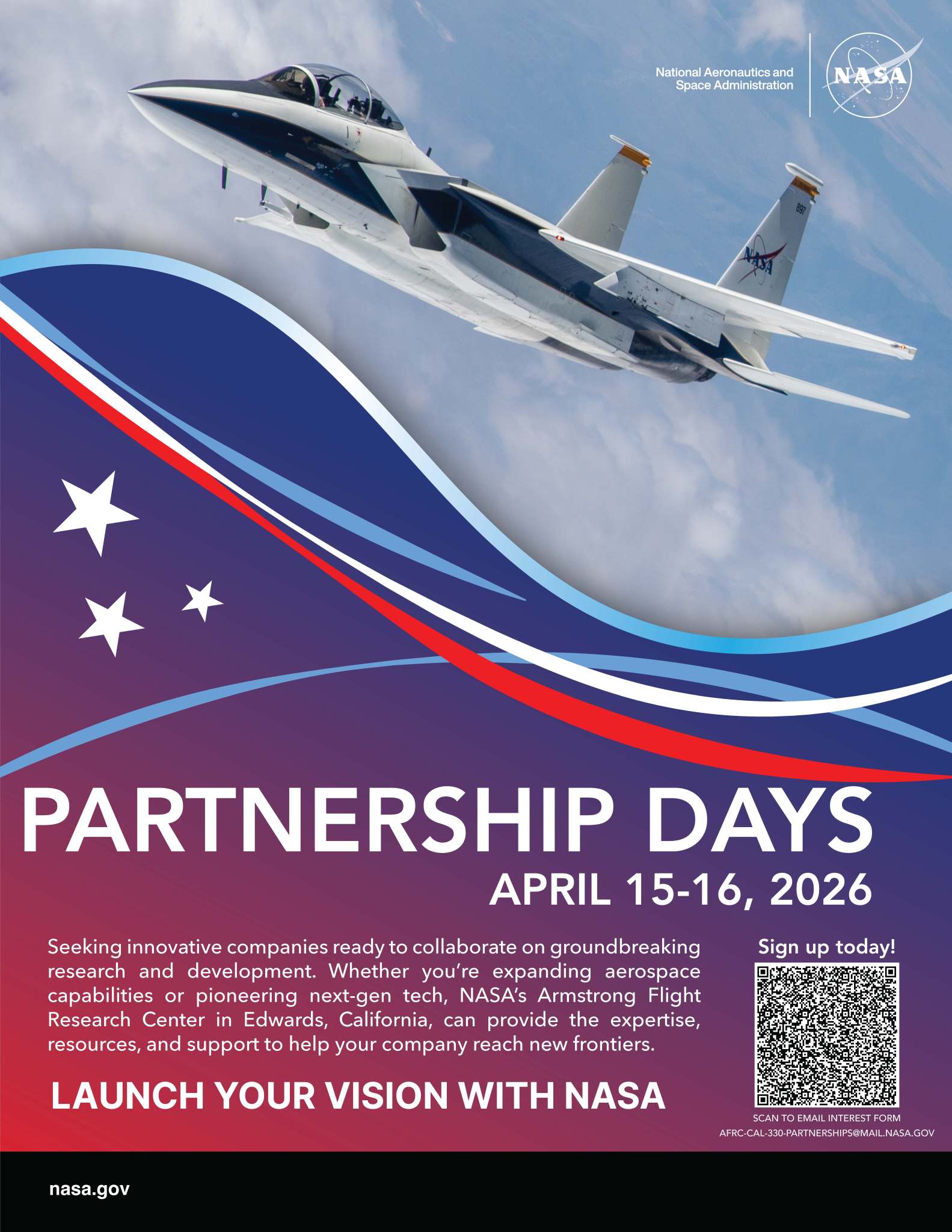
NASA’s Armstrong Flight Research Center in Edwards, California, invites innovative companies, government agencies, and organizations to attend Partnership Days, scheduled for Wednesday and Thursday, April 15 and 16, at the center. The event offers a unique opportunity to explore collaboration with NASA on cutting-edge research and development in areas such as aerospace, autonomy, sustainability, and […]

On Monday, NASA announced Bradley Flick, director of NASA’s Armstrong Flight Research Center in Edwards, California, will retire Thursday, March 19, after a nearly 40-year career advancing aeronautics and flight research. Flick began his NASA journey in 1986 as a flight systems engineer and rose through the ranks to lead the center. His career spanned […]
The U.S. Office of Personnel Management (OPM) and NASA announced NASA Force on Wednesday, a dedicated talent track within the US Tech Force initiative designed to recruit and deploy the nation’s top engineers and technologists to support America’s space program. NASA Force will identify and place high-impact technical talent into mission-critical roles supporting NASA’s exploration, […]
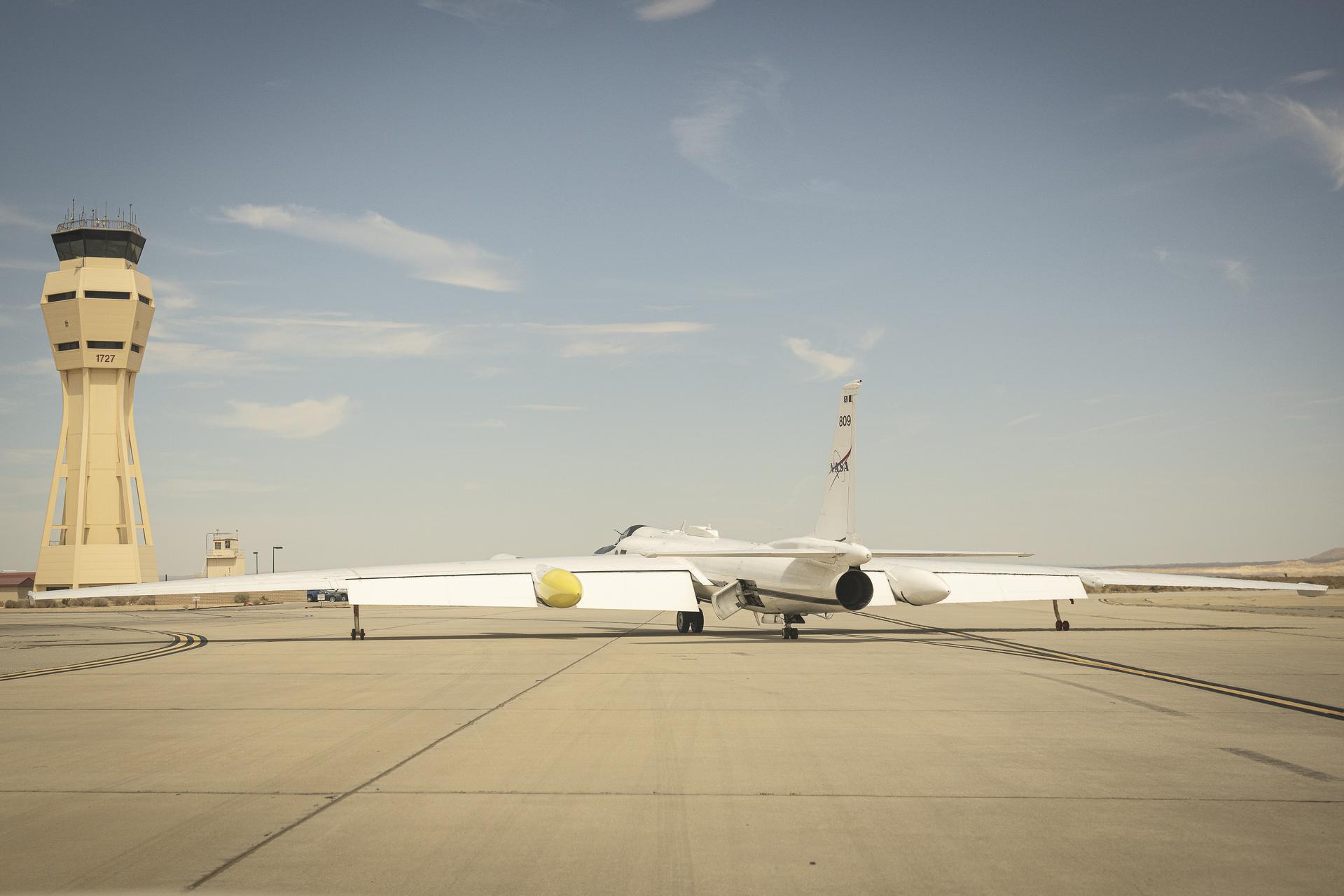
Nestled in the Mojave Desert, NASA’s Armstrong Flight Research Center in Edwards, California, pushes the boundaries of flight to advance the agency’s aeronautics mission. This is where Chuck Yeager broke the sound barrier and engineers are now pioneering the future of high-speed, autonomous, and electrified aircraft. Armstrong contributes to NASA’s broader mission of innovation and […]
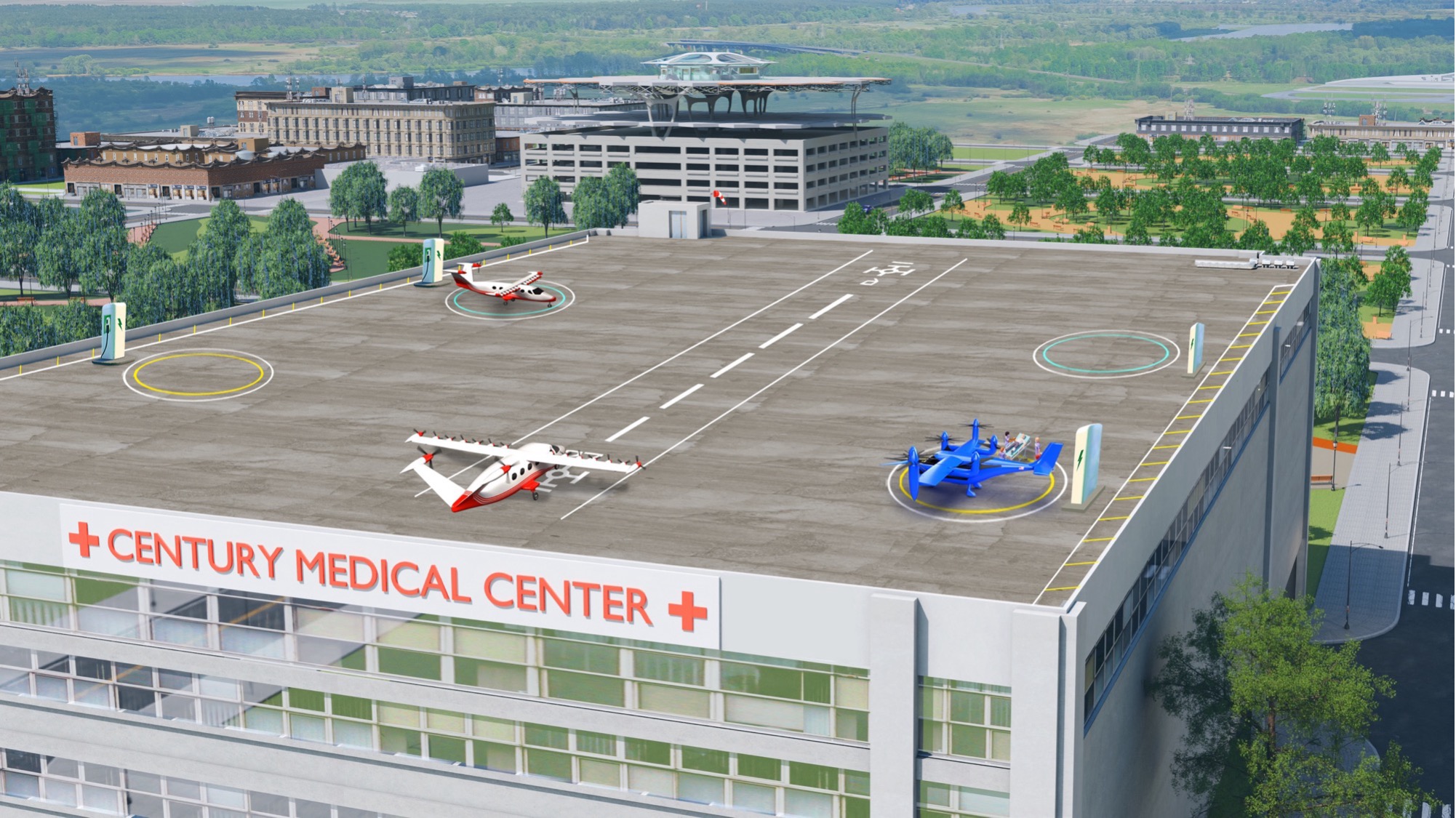
New kinds of aircraft taking to the skies could mean unfamiliar sounds overhead — and where you’re hearing them might matter, according to new NASA research. NASA aeronautics has worked for years to enable new air transportation options for people and goods, and to find ways to make sure they can be safely and effectively […]
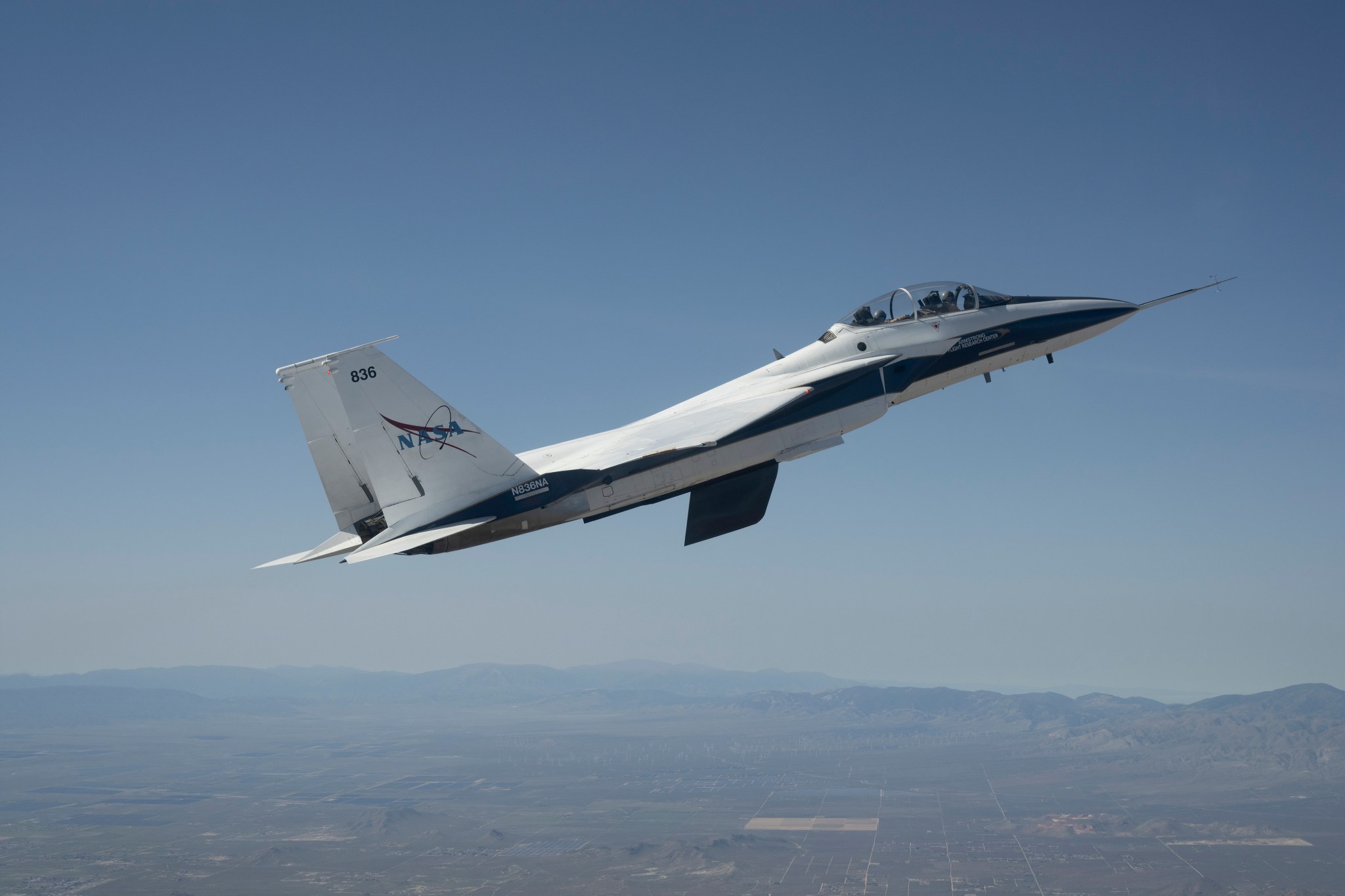
NASA completed the first flight test of a scale-model wing designed to improve laminar flow, reducing drag and lowering fuel costs for future commercial aircraft. The flight took place Jan. 29 at NASA’s Armstrong Flight Research Center in Edwards, California, using one of the agency’s F-15B research jets. The NASA-designed, 40-inch Crossflow Attenuated Natural Laminar Flow (CATNLF) wing model was attached to the aircraft’s underside vertically, like a fin. The flight lasted about 75 minutes, during […]
NASA is leveraging expertise, capabilities, and partnerships across its centers to make Artemis campaign and deep space exploration safer, more reliable, and efficient. At NASA’s Armstrong Flight Research Center in Edwards, California, contributions include technical leadership, unique flight-testing capabilities, and management of a key technology program that advances critical exploration concepts. Artemis II is an […]